Best Tequila Distilleries To Visit In Or Near Guadalajara
Best tequila distilleries near Guadalajara? Discover top picks in Tequila, El Arenal, and Amatitán - from Cuervo to Fortaleza, and how to plan your visits.
Last updated: April 14, 2026
Booking choice: Combine agave-field time, craft production, a regional lunch and free time in Tequila with a private guide. Plan Your Private Tequila Day
Quick Facts: Best Distilleries Near Guadalajara At A Glance
| La Rojeña (Jose Cuervo) | Tequila town center | Yes (English 3x daily) | First-timers, history, scale |
| Fortaleza (Los Abuelos) | Tequila town | No, reservation required | Enthusiasts, best overall experience |
| Casa Sauza | Tequila town | Yes (bilingual Tue-Sun) | Hacienda experience, agave planting |
| El Tequileño | Tequila town | Reservation preferred | Local flavor, Batanga birthplace |
| Cascahuín | El Arenal (~26 km from GDL) | No, reservation required | Connoisseurs, additive-free, tahona |
| Casa Herradura | Amatitán (~35 km from GDL) | Yes (hourly tours, Mon-Sat) | Historic hacienda, live jima |
Booking policies verified April 2026. Always confirm directly before visiting.
Which Tequila Distilleries Are Worth Visiting From Guadalajara?
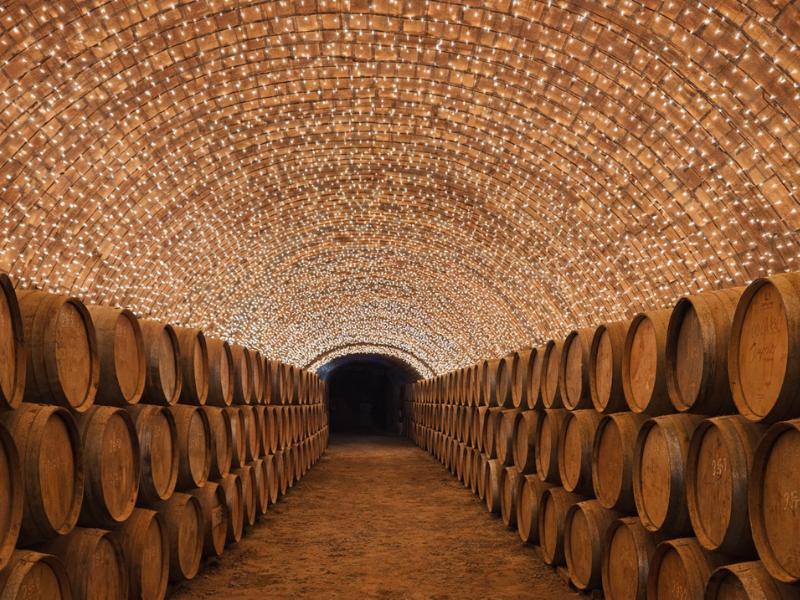
Six distilleries stand out for visitors traveling from Guadalajara: La Rojeña, Fortaleza, Casa Sauza, and El Tequileño are all in Tequila town itself, while Cascahuín in El Arenal and Casa Herradura in Amatitán sit closer to Guadalajara on the same road. Together they represent the full range of tequila production, from industrial-scale historic operations to family-owned artisanal producers that have been doing things the same way for over a century.
There are roughly 150 registered distilleries in Jalisco, about 20 of them in and immediately around Tequila town. Most are not set up for visitors. Some produce for export-only brands. Others are contract operations that bottle for dozens of labels without a public face. The ones on this list are the producers that have invested in telling their story and that offer experiences consistently worth the trip from Guadalajara.
The right choice depends on two things: what kind of tequila interests you, and whether you’ve been before. For a first visit, La Rojeña gives you the history and scale. Fortaleza gives you the craft. Casa Sauza gives you a hacienda afternoon. If you’ve already done those and want to go deeper, Cascahuín is what serious agave enthusiasts fly to Mexico specifically to visit. El Tequileño is what the people who actually live in Tequila drink.
Each distillery below gets its own section, covering what the tour includes, who it’s right for, what the tasting is like, and what you need to do before you arrive.
First time making this trip and genuinely unsure which way to go? Here’s our Guadalajara Tequila tours vs DIY visit guide so you don’t default to the wrong option.
What Makes La Rojeña (Jose Cuervo) The Most Visited Distillery In The Region?
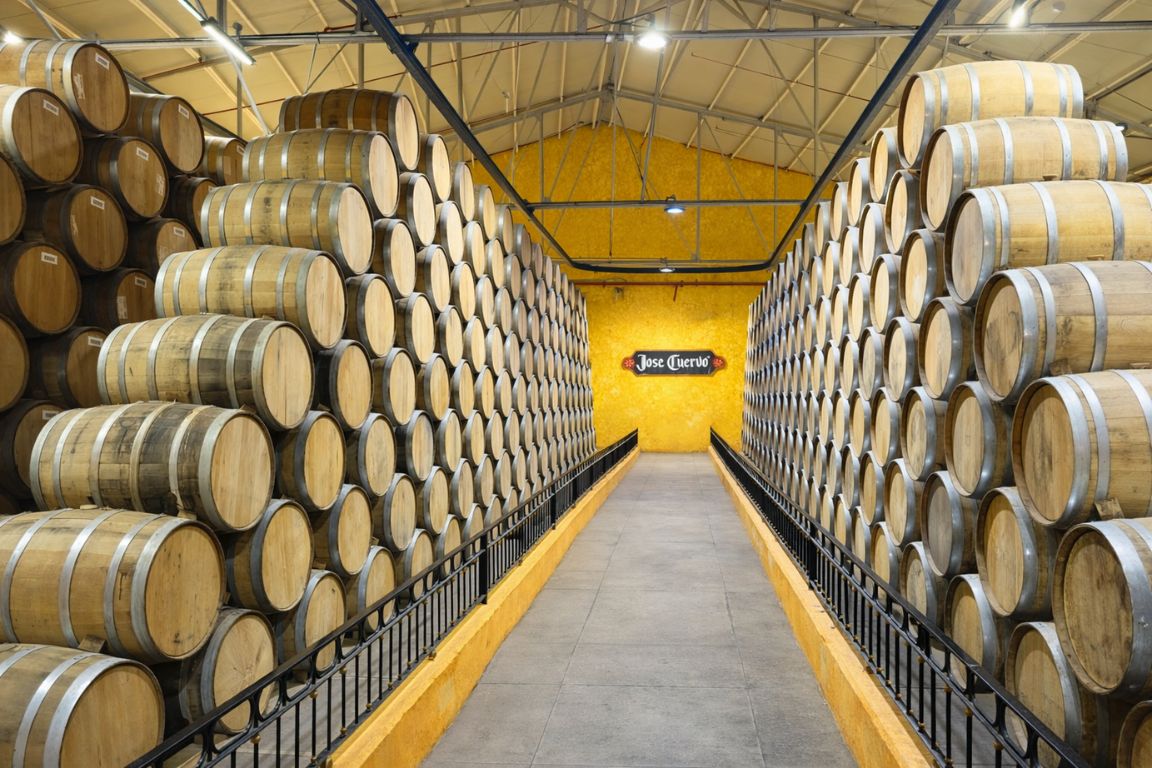 La Rojeña is Latin America’s oldest active distillery, producing tequila on this site since 1795. It’s the only operation in the world that produces roughly one-third of global tequila supply. The tours are well-organized, available in English three times daily, and cover the full production process. The scale alone is worth seeing. It’s not the most intimate experience, but it’s the most complete introduction to what tequila looks like at production volume.
Walking into La Rojeña the first time is disorienting. You expect a distillery and you find something closer to a small city. The courtyard with the giant crow sculpture, Cuervo meaning crow in Spanish, the antique buggies and carriages behind glass, the masonry ovens where agave pinas the size of small boulders are stacked for roasting. The scope of it is unlike anything else in Tequila town.
Tour options run from a basic 45-minute walkthrough at MX$345 adult to a three-hour “Cuervo y Campos” experience at MX$1,305 that includes the agave fields with snacks and tasting of Jose Cuervo Tradicional expressions. There’s also a blending experience for people who want to create their own batch in a commemorative damajuana. English tours run three times daily. Spanish tours up to seven times. No reservation is required for the standard visit, which makes it the easiest walk-in option in town.
The honest caveat, and any guide worth trusting will tell you this: La Rojeña is a masterclass in how tequila became a global industry. It is not a masterclass in artisanal production. The copper stills are there, but so is the industrial automation. What you leave with is context and history. That’s genuinely valuable, especially as a foundation for understanding what makes the smaller producers different. Several of our 8,200 guests have told us they appreciated La Rojeña most after they’d already visited Fortaleza or Cascahuín, because the contrast was legible in a way it isn’t on a first visit.
Note: photography is not permitted inside the main production areas. The Juan Beckmann Gallardo Cultural Center adjacent to the distillery is open separately and houses an impressive collection of charro artifacts, historical carriages, and pre-Hispanic objects. It’s worth 45 minutes on its own.
We’ve put together a full comparison in our Tequila train vs regular tour in Guadalajara guide so you know exactly which option fits your budget and expectations.
Why Do Serious Tequila Drinkers Put Fortaleza At The Top Of Their List?
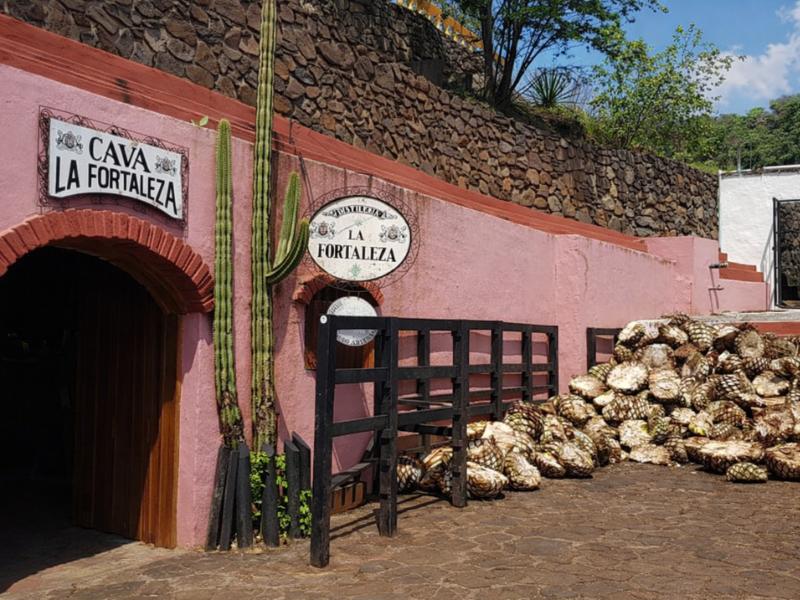
Fortaleza uses a tahona stone to crush cooked agave, brick ovens to slow-roast the pinas, open-air fermentation with natural yeast, and copper pot stills for distillation. Every step is done by hand at small-batch scale. The 90-minute tour ends with a tasting of four expressions in an underground cave. It is consistently described as the most authentic and memorable distillery experience in Tequila. Reservation required, 36-48 hours minimum, and it sells out fast on weekends.
The tahona is a volcanic stone wheel, roughly two meters in diameter, that rotates on a circular track and crushes the slow-roasted agave by rolling over it repeatedly. It was the standard crushing method until industrial diffusers replaced it in most large operations. Fortaleza never switched. The wheel is old, heavy, and slow. The guide will tell you this method extracts flavor compounds that the industrial process can’t replicate. You’ll taste the difference at the end of the tour and understand what they mean.
Guillermo Sauza, fifth generation of the family that founded Casa Sauza, restored the historic Los Abuelos property and relaunched it under NOM 1493 as Fortaleza, committed to producing exactly as his ancestors had. The hacienda grounds look like what a Mexican distillery should look like in your imagination. Stone walls, agave fields on the hillside, wooden fermentation vats, the small copper stills that are the opposite of everything La Rojeña represents.
The cave tasting is the tour’s final stop. Underground, cool, lit by low light, with rows of oak barrels along the walls. Four expressions: a 46% still-strength blanco, the standard 40% blanco, reposado, and añejo. The still-strength is the one people remember. It’s raw, complex, long, and tastes like the result of seven years of agave growth and weeks of careful small-batch production. Which it is.
Fortaleza also runs a free multi-distillery tour Sunday through Wednesday that includes El Tequileño and Arette’s El Llano distillery. Book it separately from the main Fortaleza tour and visit all three in a day. The combination is one of the most complete education in different tequila production philosophies available anywhere.
If you want this experience handled from Guadalajara without managing the booking yourself, the private Fortaleza distillery tour covers the reservation and the drive from the city. We know the tour schedule, the best morning slots, and the guides who give the most depth.
What Can You Expect At Casa Sauza And How Does It Compare To Cuervo?
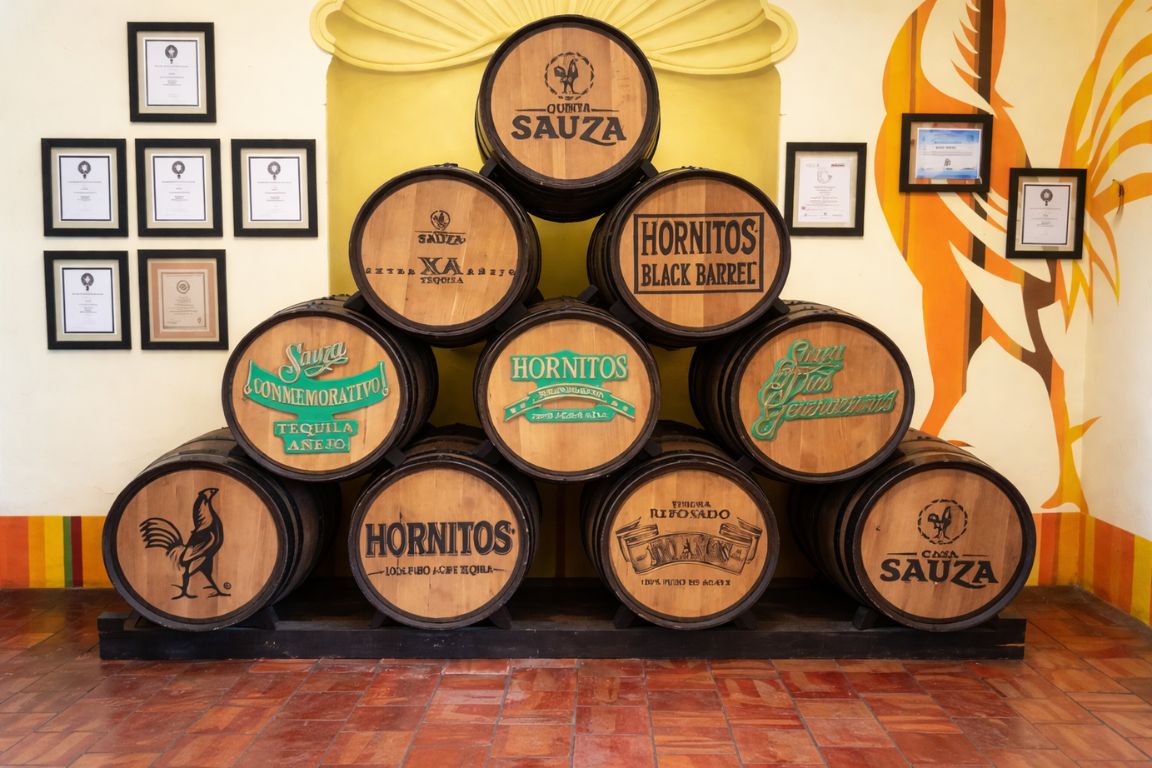 Casa Sauza is larger than Fortaleza and more mechanized, but the hacienda grounds, agave planting experience, and the Quinta Sauza estate make it something Cuervo doesn’t offer: a sense of domestic scale and history. Tours run approximately 3-4 hours, include the agave fields with a live jima demo and agave planting, the La Perseverancia distillery, aging cellars, and a cocktail at the historic Quinta Sauza. Bilingual tours run Tuesday through Sunday.
If La Rojeña is a tequila museum and Fortaleza is a living heritage site, Casa Sauza sits between them. The operations are mechanized and industrial in places, which some visitors find less romantic than the smaller artisanal producers. But the Quinta Sauza manor, built in the 1830s and surrounded by Italianate fountains and gardens, is genuinely beautiful. The 30-meter Venetian mosaic by Mexican artist José María Servín that covers an entire wall of the hacienda, depicting tequila’s history from pre-Hispanic agave culture to the modern bottle, is one of the most impressive pieces of public art in the entire Tequila region. Nobody talks about it enough.
The tour’s field component stands out. Unlike the brief agave demonstrations at some commercial operations, the Sauza experience takes you to their agave fields via shuttle, lets you plant your own agave, and includes a live jima demonstration with a working jimador. The tasting in the aging cellar follows, with cooked agave juice, freshly distilled tequila, and an extra añejo poured straight from the barrel. Then a cocktail in the Quinta Sauza gardens.
One thing to confirm before you book: Sauza occasionally closes for private events, which several TripAdvisor reviewers have encountered without warning. Call ahead or book online rather than showing up unannounced. The Hornitos Tour option, which adds a three-course lunch at La Cueva de Don Cenobio restaurant, is worth the upgrade if you’re planning to spend the afternoon.
We’ve put together a full rundown in our what to expect on a Guadalajara Tequila tour guide so you know exactly how the day unfolds from pickup to drop-off.
Which Craft And Artisanal Distilleries Are Worth The Extra Effort To Reach?
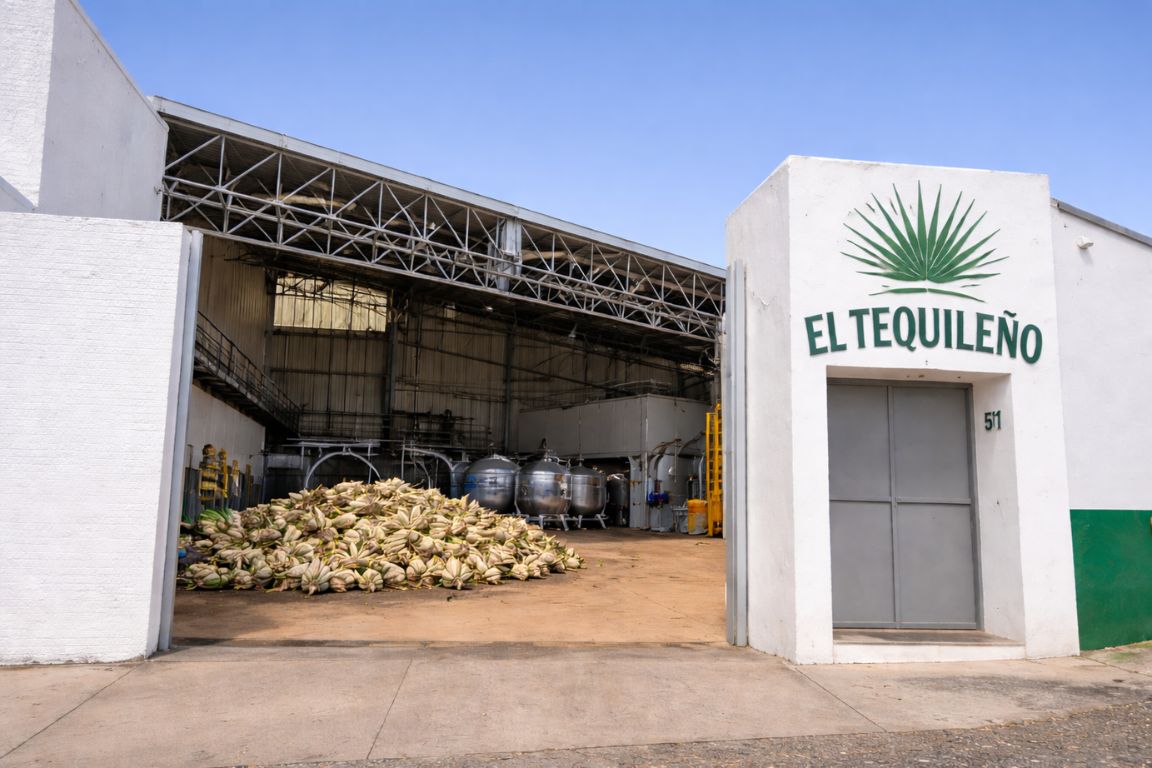 Two craft distilleries stand above everything else for serious visitors: Cascahuín in El Arenal and El Tequileño in Tequila town. Cascahuín is the bartender’s pick, consistently ranked among the world’s best, and requires advance reservation and private transport. El Tequileño is the local brand, founded in 1959, known for its additive-free production and a tasting menu served in Riedel glasses. Both reward the extra planning they require.
Cascahuín has been the Rosales family’s operation since 1904. Located in El Arenal, about 26 kilometers from Guadalajara’s ring road, it’s not in the town of Tequila and doesn’t benefit from tourist foot traffic. It doesn’t need it. The brand is beloved by bartenders at serious agave-focused bars internationally, and its expressions, particularly the Cascahuín 48 and Tahona Blanco, are cited by enthusiasts for their purity and agave-forward character.
The tour walks you through brick ovens, tahona crushing, open-air fermentation tanks, and copper pot distillation, all operating at the scale of a genuine family enterprise. Nothing feels staged. The agave pinas arrive on trucks from the fields, get stacked outside the ovens, get slow-roasted, get crushed. The tour follows the process in real time. The tasting afterward takes place in a garden setting, not a production corridor, with six expressions including blanco, reposado, añejo, tahona, plata, and extra añejo. Email to book: info@tequilacascahuin.com. Allow 10 days advance notice.
El Tequileño, founded in 1959 by Don Jorge Salles Cuervo, occupies a different position. It’s the tequila Tequila residents actually buy. Not for export, not particularly famous internationally, just quietly excellent and locally beloved. The tour covers fermentation, aging, and production in a low-key format, and the tasting is served in proper Riedel glasses, a detail that signals the producer’s self-awareness about the quality of what’s in them. Three tour options run from a basic tasting at around USD $13 to a full tour with a three-course lunch at the adjacent Casa Salles Hotel. El Tequileño is the only distillery in town where you can also stay overnight on the property.
Guided visits to Cascahuín and El Tequileño run regularly. A private tequila tour can take care of the reservations and transport.
How Do Distilleries In El Arenal And Amatitán Differ From Those In Tequila Town?
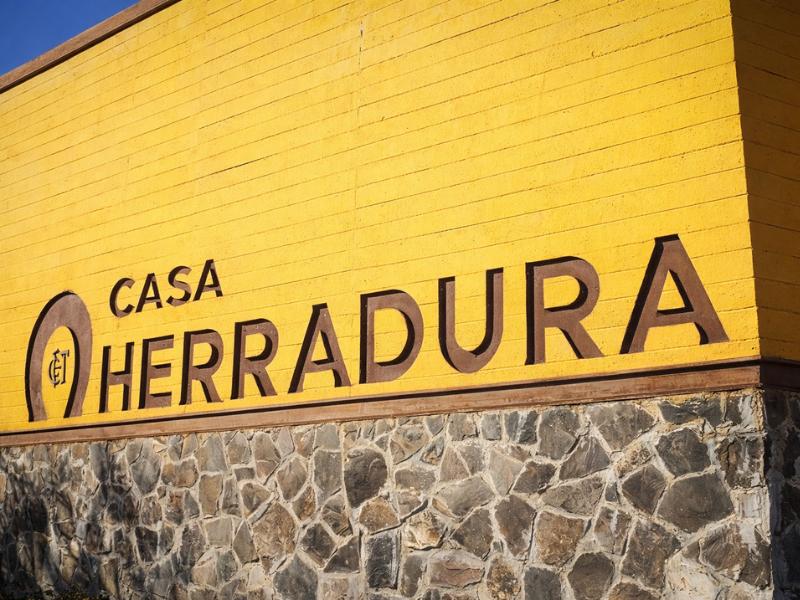
El Arenal and Amatitán sit on the road between Guadalajara and Tequila town, making them convenient stops on any route west. Distilleries here tend to be more family-scale, less tourist-focused, and in some cases more traditional than their counterparts in town. Cascahuín in El Arenal and Casa Herradura in Amatitán are the two major visits, both offering things that most town distilleries can’t match.
The geography matters. Tequila town receives the bulk of tourism and has shaped its distillery experiences accordingly. Several operations there have evolved toward hospitality as much as production. The towns before Tequila on the road from Guadalajara, El Arenal and Amatitán, haven’t been remade by tourism in the same way. El Arenal is a farming town. You stop for tacos at a roadside market on the main street before your distillery visit and nobody is selling novelty tequila shots to people off a tour bus.
Casa Herradura sits in Amatitán inside the Hacienda de San José del Refugio, a 19th-century estate where Herradura has been producing since 1870. It’s consistently described as one of Mexico’s prettiest distilleries. The grounds are genuinely beautiful, with old stone buildings, working barrel rooms, and an onsite restaurant. Hourly tours run Monday through Saturday, covering the full hacienda and including a live jima demonstration. Unlike Tequila town distilleries, the hacienda setting gives the visit a distinct sense of place. You understand why Herradura tastes the way it does when you see where the agave is grown and roasted on the same property that’s been doing this for 155 years.
| Distance from Guadalajara | ~60 km (60-70 min) | ~26–35 km (30-40 min) |
| Tourist infrastructure | High – restaurants, shops, plaza | Low – working towns, street food |
| Distillery scale | Ranges from industrial to artisanal | Family-scale to mid-size hacienda |
| Transport from GDL | Public bus drops in town center | Car or private transport needed |
| Best for combining | 2+ distilleries in walking distance | One stop per town, combine with town visit |
| Vibe | Tourism-oriented, varied | Working towns, more local |
Transport and access information verified April 2026.
The most efficient day combines both zones: start at Cascahuín in El Arenal in the morning, continue to Tequila town for Fortaleza or El Tequileño in the afternoon, then free time in the plaza before the drive back. This is exactly the route on our full-day private tours.
How Do You Choose The Right Distillery Based On Your Experience Level?
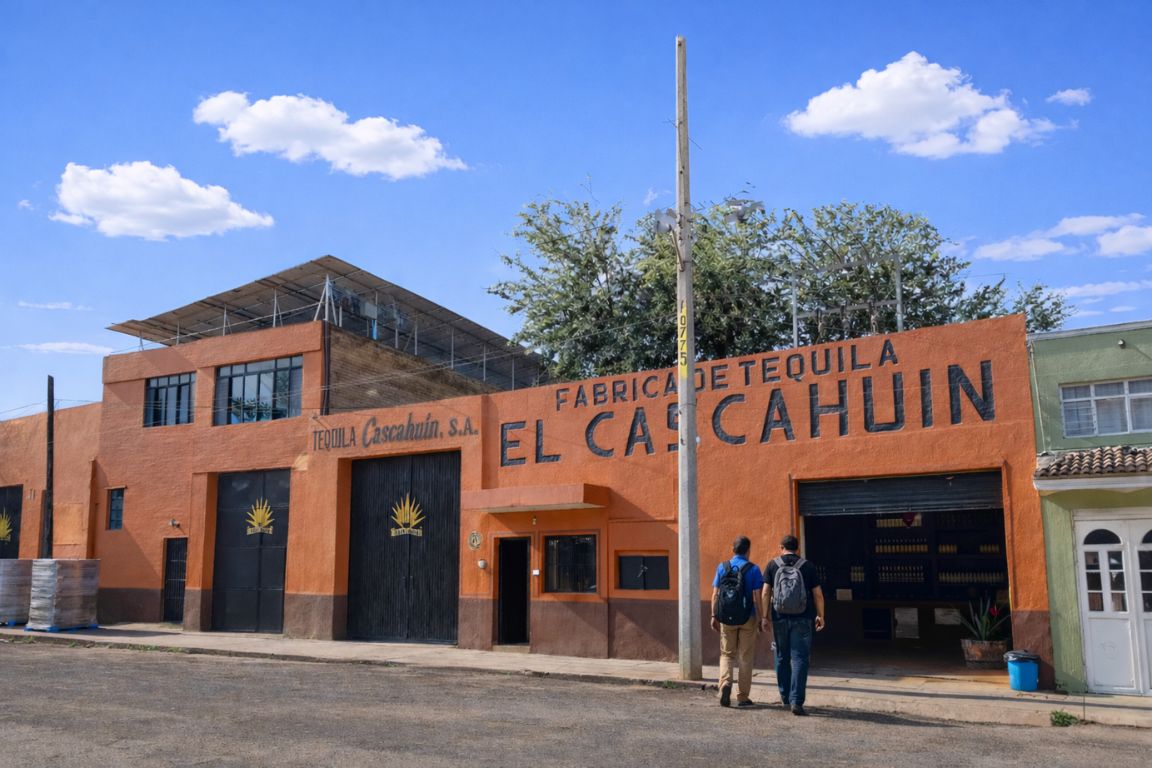 First-time visitors get the most from La Rojeña for context and Fortaleza for craft. Return visitors with some tequila knowledge should head straight to Cascahuín or pair El Tequileño with Fortaleza for contrast. Enthusiasts who want production-specific details and additive-free tastings should prioritize Cascahuín, with Casa Herradura as an alternative for the hacienda setting. Anyone planning multiple visits in one day should map distilleries geographically rather than by preference.
The experience level question matters more in tequila country than at most spirits destinations. At a wine region, showing up as a novice and leaving as a convert is common. In Tequila, the gap between what a first-timer can absorb and what a returning enthusiast notices is significant enough to affect which stops genuinely add value.
Here’s how we match travelers to distilleries after 15 years of doing this:
| Complete first-timer | La Rojeña | Fortaleza | Cascahuín (save for return visit) |
| Occasional tequila drinker | Fortaleza | Casa Sauza | La Rojeña (if time is tight) |
| Enthusiast / connoisseur | Cascahuín | Fortaleza | La Rojeña (too commercial) |
| Local culture seeker | El Tequileño | Cascahuín | La Rojeña (too touristy) |
| Hacienda / architecture fan | Casa Herradura | Casa Sauza | Cascahuín (production-focused) |
| Return visitor, second trip | Cascahuín | El Tequileño + Fortaleza combo | Casa Sauza (been there) |
One practical note: Fortaleza runs Sunday through Wednesday only for the free multi-distillery combo tour that also visits El Tequileño and Arette’s El Llano. If that pairing interests you, plan your trip accordingly. It’s one of the best free distillery experiences in Tequila country and almost nobody outside of serious enthusiasts knows about it.
Doing the distillery trip for the first time? Here’s how to visit Tequila distillery from Guadalajara so you don’t end up on the wrong tour.
How Do You Book Distillery Visits Through Guadalajara Tequila Tours?
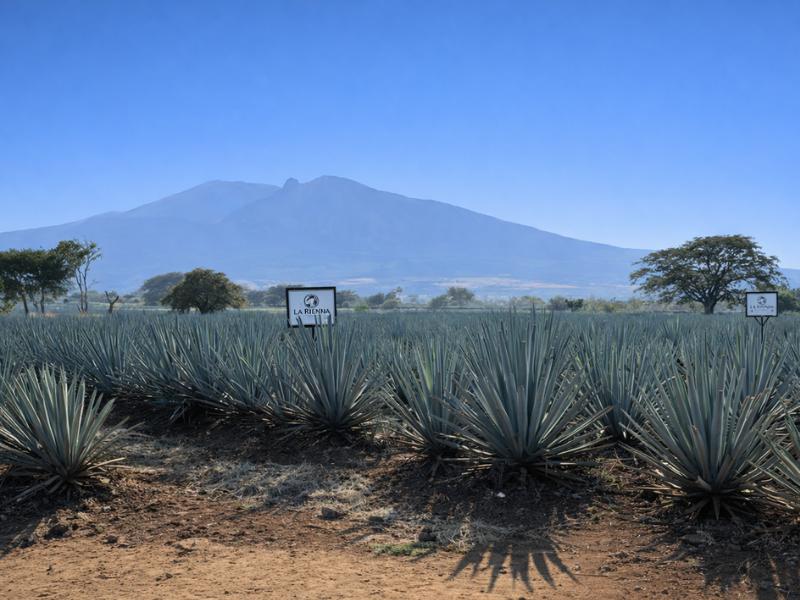
Guadalajara Tequila Tours handles all distillery reservations, transport from your hotel, bilingual guide, agave field access, and structured tastings for any combination of the distilleries above. Group tours start at USD $60-130 per person. Private tours start around USD $120-200 per person. Both formats run most days of the week. Booking takes under five minutes online, and 48-72 hours notice covers most requests outside peak season.
The booking question is simpler than most people expect. You tell us which distilleries interest you, which dates work, and how many people are in your group. We build the day around that, handling every reservation and transport detail. If you want Cascahuín in the morning and Fortaleza in the afternoon with a cantarito stop at El Güero on the way home, we run that route regularly. If you want the full Sauza hacienda experience including the Hornitos lunch, that’s a different day and we run that too.
One thing that genuinely saves time: telling us your experience level upfront. Our guides calibrate the tour depth based on who’s in the vehicle. Enthusiasts get more production specifics, more conversation with the distillers when possible, deeper engagement with each tasting. First-timers get more foundational context about the production process before every stop. The distilleries are the same. The experience isn’t.
We’ve been doing this since 2011. Over 8,200 travelers. The distilleries know us, and that matters more than people realize. It means access to production areas that standard walk-in tours don’t reach, and occasionally the opportunity to taste something that isn’t on the regular menu when a distiller has a barrel ready.
Want to move at your own pace and skip the group itinerary? Here’s our private Guadalajara Tequila tours guide so you know exactly what to expect.
Start planning your distillery day here. Questions about which combination fits your group, Mateo and the team respond daily.
Which Distilleries Our 8,200 Travelers Visit Most (And What They Say)
Patterns from our guided groups that the review sites don’t capture:
| Most requested distillery on group tours | Fortaleza (65%) |
| Most requested on private tours | Cascahuín + Fortaleza |
| Distillery most often described as “best of the trip” | Fortaleza |
| Most bottles purchased per visit on average | Cascahuín |
| % of returning guests who add Cascahuín on second visit | 45% |
| Most surprising distillery (exceeded expectations) | El Tequileño |
| Best distillery pairing on a single day | Sauza + El Tequileño |
Frequently Asked Questions
Can I visit multiple distilleries in one day from Guadalajara?
Yes, and most guided tours are built around this. Two distilleries is the standard for a full-day tour. Three is possible but leaves less time at each. The most popular pairings are Fortaleza plus El Tequileño (both in Tequila town), or Cascahuín in El Arenal in the morning followed by either Fortaleza or Casa Sauza in the afternoon. Distilleries in El Arenal and Amatitán are on the route from Guadalajara to Tequila town, so they add minimal extra driving when combined with a town visit.
Which distillery in Tequila is best for first-time visitors?
La Rojeña gives you the history and scale, Fortaleza gives you the craft. If you can only do one, Fortaleza is consistently rated the best overall experience, but it requires advance booking. If you walk in without a reservation, La Rojeña is the strongest walk-in option and genuinely impressive on its own terms. Ideally, do both on the same day.
Is Cascahuín distillery worth the extra trip if I’m based in Guadalajara?
For anyone with serious interest in tequila, yes, absolutely. Cascahuín is about 26 km from Guadalajara’s ring road, closer than Tequila town, and is consistently cited by enthusiasts and professionals as one of the finest production-focused distillery visits in Mexico. The fact that it requires advance booking and private transport keeps the crowds down, which is part of what makes the visit so good. Lonely Planet listed it as the single must-do distillery if you’re only doing one.
What is the difference between visiting La Rojeña and Fortaleza?
La Rojeña is industrial tequila at its most accomplished: one of the oldest distilleries in Latin America, producing at enormous scale using a mix of traditional and modern methods. Fortaleza is artisanal tequila at its most committed: small-batch, tahona-crushed, copper-pot distilled, additive-free, and tasted in an underground cave. La Rojeña tells you how tequila became a global category. Fortaleza tells you what tequila looked like before it needed to be a global category. Both are worth doing, and doing them in the same day produces a very clear education by contrast.
Do all distilleries near Guadalajara offer English-language tours?
Most major ones do. La Rojeña offers English tours three times daily. Casa Sauza offers bilingual tours Tuesday through Sunday. El Tequileño and Fortaleza can arrange English-speaking guides with advance booking. Cascahuín’s regular tours are primarily in Spanish, but they have English-capable staff and work well with bilingual tour operators. If language is a concern, booking through a guided tour operator with a bilingual guide removes the issue entirely.
Which distillery should I visit if I want to buy bottles to take home?
Cascahuín, El Tequileño, and Fortaleza all sell bottles you can’t find in international retail. Fortaleza’s still-strength blanco and limited Winter Blend are available at the distillery. Cascahuín’s Tahona Blanco and special editions rarely leave Mexico. El Tequileño’s Platinum and Gran Reserva Reposado are obscure outside of Jalisco but consistently excellent. Casa Sauza’s gift shop sells their full lineup at lower prices than duty-free. All are worth bringing home if you have luggage space.
Mexican tour guide since 2011 · Founder, Guadalajara Tequila Tours
Mateo has guided over 8,200 travelers through Guadalajara, Tequila town, and the blue agave landscape of Jalisco since founding the agency.