What To Expect On A Guadalajara Tequila Tour
What does a tequila tour from Guadalajara actually look like? Discover the full day itinerary, what to expect, and how to prepare before you go.
Last updated: April 14, 2026
Booking choice: Combine agave-field time, craft production, a regional lunch and free time in Tequila with a private guide. Plan Your Private Tequila Day
What To Expect On A Guadalajara Tequila Tour: Quick Facts
| Total day length | 8-10 hours door to door |
| Typical pickup time | 8:00-9:30 am from your Guadalajara hotel |
| Drive to Tequila town | ~60 km, 45-70 min depending on traffic |
| Distilleries visited | 1-3 depending on tour format and pacing |
| Agave field visit included | Yes on most guided tours (confirm at booking) |
| Tasting format | Structured flight: blanco → reposado → añejo |
| Free time in Tequila town | 90 min–2.5 hours typical |
| Return to Guadalajara | 6:00-8:30 pm depending on itinerary |
| What to wear | Closed-toe shoes, light layers, hat, sunscreen |
| What to eat first | A real breakfast before pickup – non-negotiable |
What Happens From The Moment You’re Picked Up To The Moment You’re Dropped Off?
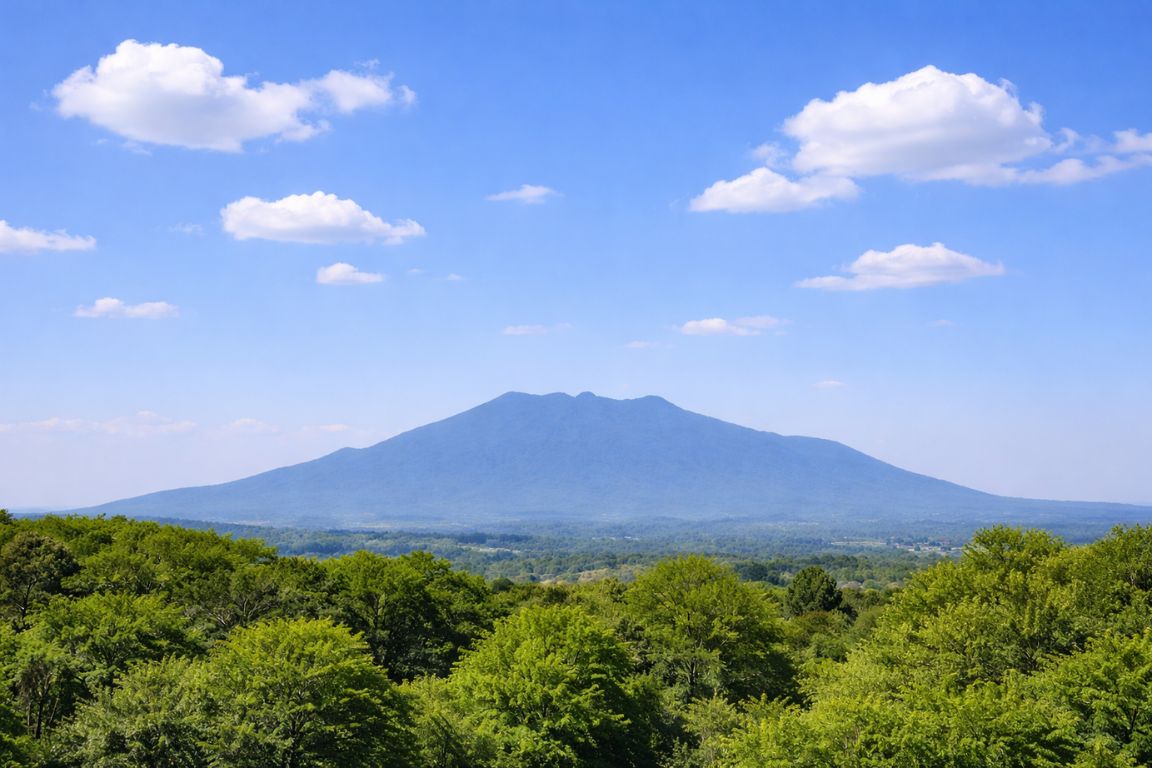 Pickup is at your Guadalajara hotel between 8 and 9:30 am. The guide uses the 45-70 minute drive to cover the context you’ll need: the history of the region, how tequila production works, and what makes the distillery you’re visiting different from its neighbors. The agave field visit comes before the first distillery. The distillery tour follows production order from oven to tasting room. Free time in Tequila town happens mid-afternoon. The cantarito stop on the return is the unofficial end of the formal day. You’re back in Guadalajara by 7-8:30 pm.
Most people ask what the day looks like before they book. Here’s the honest answer from someone who has run this route over 8,200 times since 2011: the day has a rhythm, and understanding that rhythm before you arrive helps you get more from every part of it.
It starts with pickup. On a private tour, your guide arrives at your hotel lobby and the vehicle is yours from that moment. On a group tour, you may be the first pickup or the third, depending on your hotel’s location relative to the route. Either way, you’re on the road toward the agave fields within the first hour of the morning.
The drive to Tequila is where the education starts, not at the distillery. The guide talks during the drive, and the guide’s quality shows here. A good bilingual guide uses the 45 to 70 minutes in the vehicle to give you the context that makes everything you’ll see at the distillery make sense: why the blue agave takes 7 to 10 years to mature, what the Consejo Regulador del Tequila does, why the region around the Tequila Volcano produces a specific flavor character, how to tell the difference between a real 100% agave tequila and a mixto at the bottle. By the time you step into the agave fields, you already know what you’re looking at.
The day then moves through four distinct phases: agave field visit, distillery tour, tasting, free time in town. Not all tours sequence them the same way. We run the field visit first, deliberately. Walking among the plants before you see how they become tequila is the right order for understanding the full arc. The tasting at the end of the distillery tour lands differently when you’ve already stood next to a seven-year-old agave and watched a jimador strip it to the piña.
The return includes a cantarito stop at El Güero or a comparable roadside bar, which functions less as a scheduled activity and more as the moment the day winds down naturally. Clay cup in hand, agave fields on one side, conversation running through everything you’ve seen. Then the drive back to Guadalajara, and you’re home before most Guadalajara restaurants have finished their dinner service.
Considering going private for this trip? Check out our private Guadalajara Tequila tours guide before you decide if it’s worth the upgrade.
What Does An Agave Field Visit Actually Feel Like?
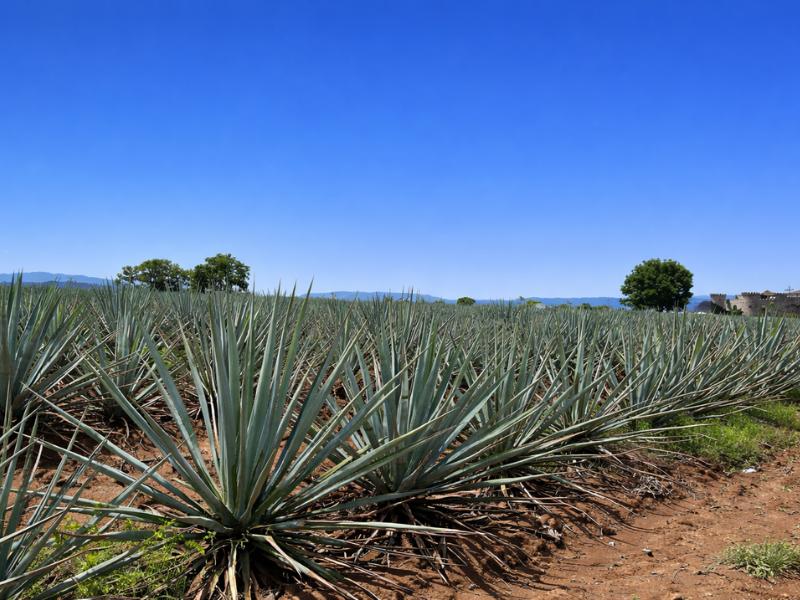
You’re in working volcanic soil between rows of blue agave plants that reach chest height, each one the same geometric shape, the same blue-gray color. A jimador demonstrates the coa de jima, the specialized blade used to strip the plant down to its heart, moving with speed and precision that comes from doing this every day for decades. The plants smell faintly sweet. The soil is rust-colored and uneven. Sunscreen matters here. So does closed-toe footwear.
Nothing in a travel photo prepares you for the actual scale of the agave landscape. The fields start before you reach Tequila town, growing denser and more uniform as you get closer. From the van window it looks almost agricultural. Standing in it is different. The plants come up to your chest or higher. The rows are close together. The volcanic soil shifts under your feet. The Tequila Volcano sits in the distance, and the light in the morning, when you’re there at 9 or 10 am, catches the waxy surface of the agave leaves and makes the whole field look slightly metallic.
The jimador is the person who makes the visit. Watch his hands. The coa de jima is a long-handled tool with a flat circular blade at the end, and the technique involves precise, controlled strikes to remove the outer leaves without damaging the heart underneath. A skilled jimador works through a mature plant in under two minutes. There is no wasted movement. The piña that emerges, the rounded heart of the agave, can weigh 40 to 80 kilograms and will become a single batch contribution to the fermentation tanks.
The guide connects what you’re seeing to what you’ll taste later. This plant has been growing for seven years. That time, that soil, that microclimate all end up in the glass. It’s a simple point, but standing in the field makes it land in a way that no tasting note ever quite achieves.
Practical notes: the field visit involves walking on uneven terrain. If there was recent rain, it can be muddy. Wear closed-toe shoes with grip. The Jalisco sun is strong even in winter. Bring a hat. If you’re wearing a strong cologne or perfume, be aware it will affect your ability to properly nose the tequilas that come later.
What Happens Inside A Tequila Distillery Tour?
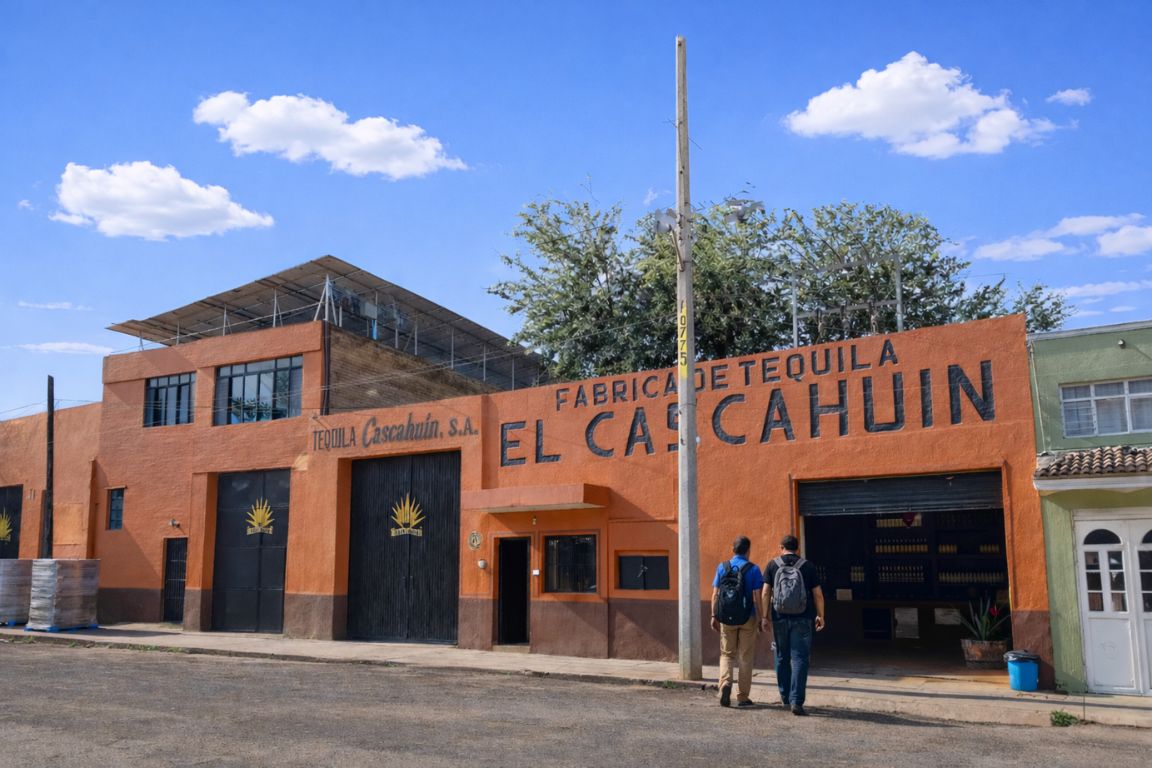 The distillery tour follows the production process in order: the masonry ovens where agave piñas slow-roast for 24-72 hours, the crushing stage (roller mill or tahona stone), the open fermentation tanks where wild yeast converts sugars to alcohol, the copper pot stills for double distillation, and the barrel aging room. At small craft distilleries, the guide is often a family member or longtime production employee. The tour ends at the tasting room, which is sometimes underground.
The first thing you notice inside a working distillery is the smell. It’s not what you expect from a tequila distillery. Before you reach the still, you pass the ovens. Agave pinas cooking at low heat for up to 72 hours release a smell that is sweet and earthy and slightly smoky, closer to caramelizing sugars than to anything alcoholic. This is the smell of Tequila town itself. You notice it when the van windows open on the way in. You miss it when you leave.
The tour moves through the process in production sequence. At the ovens, the guide explains why cooking time matters and how brick ovens differ from industrial autoclaves. At the crushing stage, you see either a modern roller mill or, at artisanal producers like Fortaleza and Cascahuín, the tahona: a volcanic stone wheel two meters in diameter that rolls over the cooked agave to extract juice. The tahona is slow and inefficient by industrial standards. The flavor it produces is why enthusiasts fly to Jalisco specifically to taste the result.
Fermentation tanks are often the most overlooked stop. The juice, mixed with water, sits in open vats for several days while naturally occurring yeast converts sugars to alcohol. At smaller producers, wooden fermentation tanks add their own flavor contribution. The active fermentation produces visible bubbling and a warm, bread-like smell that is surprisingly pleasant.
The still room is where things get dramatic. Copper pot stills at artisanal operations are beautiful objects, handmade, often decades or centuries old. The guide explains double distillation: the first pass produces the ordinario, a rough spirit around 25% ABV; the second refines it to the final tequila strength. At some smaller operations, a guide may offer you a taste directly from the still output, the tequila directo: unfiltered, undiluted, often around 46% ABV and tasting like pure concentrated agave with a long pepper finish.
The aging cellar or tasting room is the final stop. The light changes when you go underground or into a barrel room. Hundreds of American oak barrels are stacked along the walls, breathing slowly, adding vanilla and caramel notes to the reposado and añejo aging inside. The air is thick and warm. Then the tasting begins.
Want to know which distilleries go beyond the standard tourist tasting? Here’s our best tequila distilleries to visit in or near Guadalajara so you find the real ones.
How Does A Tequila Tasting Work And What Should You Know Before Your First One?
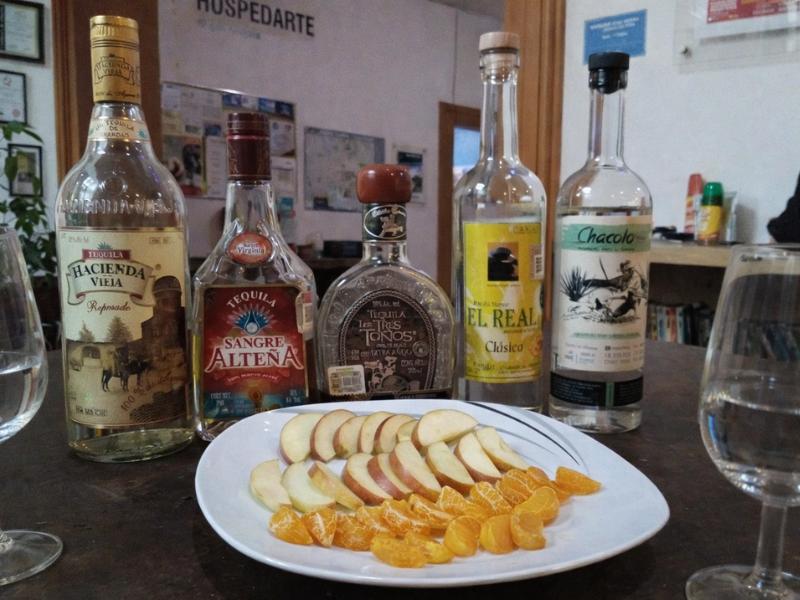
A structured tequila tasting moves from blanco to reposado to añejo, lightest to heaviest, so the oak in each successive pour doesn’t overwhelm the earlier ones. The correct nosing technique is to bring the glass close to your nose with your mouth slightly open, not to stick your nose into the glass as you would with wine. Tequila is 40%+ ABV and will burn your nose if you inhale deeply from inside the glass. Skip the lime and salt entirely. They exist because cheap tequila tastes terrible, not because good tequila needs them.
Most first-timers arrive expecting shots. What they find is something closer to a wine tasting, structured and educational, with a guide who walks you through each pour before you drink it.
The tasting opens with the blanco. Hold the glass up to natural light and look at the color: crystal clear, no yellow, no amber. If it’s been manipulated with additives, that clarity may have an artificial quality. Swirl it gently. Then nose it with your mouth slightly open, glass held a few centimeters from your nose. You’re looking for agave first: that sweet, vegetal, slightly green smell. Citrus notes typically follow in a good blanco. Some have a light pepper quality that you’ll recognize when you taste it. The guide will name what they’re getting. So will you, once you know what to look for.
The reposado comes next. The color has shifted from clear to pale gold, the result of 2-12 months in oak barrels. The nose picks up vanilla, a hint of caramel, and the agave is still there but slightly softer. The taste is smoother than the blanco, the edge rounded off by the wood. Some people prefer it here. Others find the blanco’s rawness more interesting.
The añejo is aged a minimum of one year. Deep amber, oak forward, the agave character present but working alongside vanilla, cinnamon, dried fruit, and sometimes a hint of chocolate. At smaller producers, the guide will often compare what their añejo tastes like fresh from the barrel versus at the bottled strength. The difference is instructive.
One thing that surprises first-time visitors: serious tequila tasting has almost nothing to do with the shots culture most people bring with them. There is no lime, no salt, no chaser. If the guide offers fresh cooked agave juice as a palate cleanser between pours, take it. If they offer a taste of tequila directo straight from the still, say yes. These are the moments that explain everything the rest of the experience has been building toward.
| Blanco | Unaged (0-60 days) | Crystal clear | Agave, citrus, pepper, herbal notes |
| Reposado | 2 months to 1 year in oak | Pale to medium gold | Vanilla, caramel, agave softened by wood |
| Añejo | 1-3 years in oak | Amber to deep gold | Oak, dried fruit, chocolate, complex finish |
| Extra Añejo | 3+ years in oak | Deep amber to mahogany | Heavy wood, cognac-like, powerful |
| Tequila Directo (still-strength) | Unaged, undiluted | Clear, slightly oily | Raw agave, high pepper, long finish (if offered, say yes) |
What Is Free Time In Tequila Town Like And How Should You Use It?
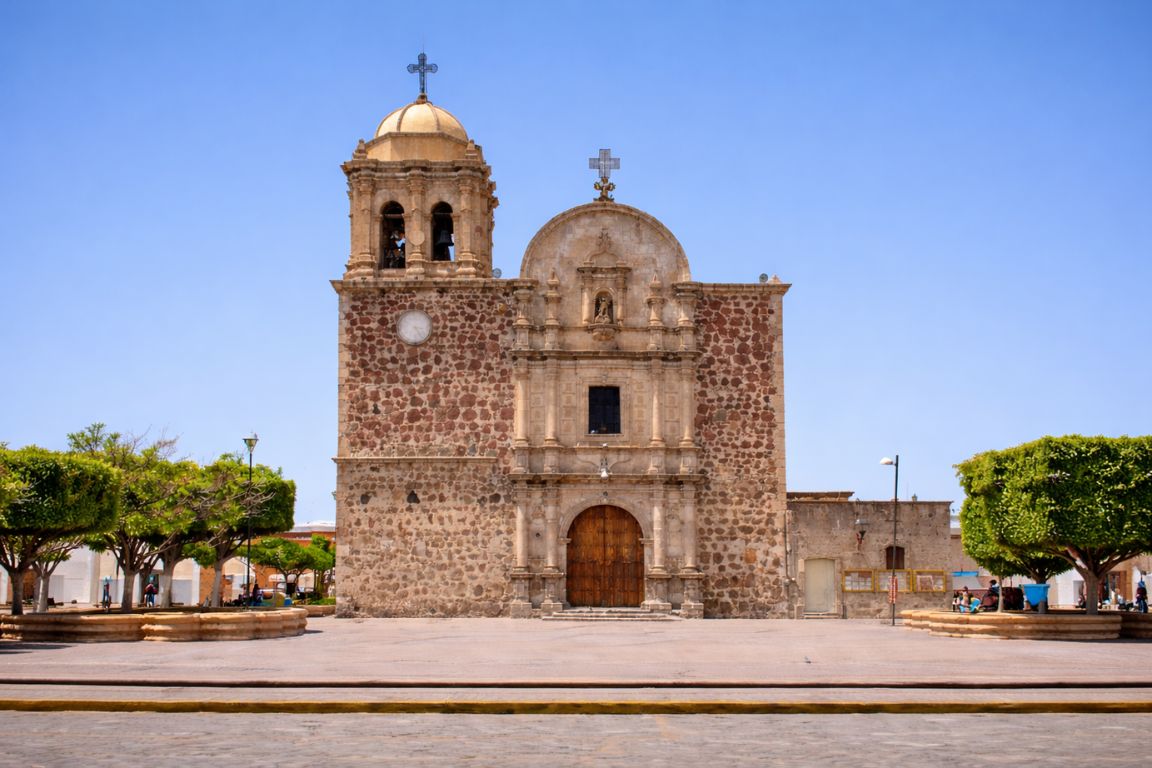 Free time in Tequila town runs 90 minutes to 2.5 hours on most tours. The town is compact and walkable, with the main plaza, the Templo de la Purísima Concepción, and most restaurants within ten minutes of the distillery. The market stalls near the plaza serve the best birria and street food. Cantina La Capilla, the oldest bar in Tequila, is the birthplace of the Batanga cocktail. Avoid the tourist shops nearest the Cuervo distillery gates if you’re buying bottles; the independent shops a block or two from the plaza have better prices.
Tour groups tend to scatter during free time, which is a good sign. It means people have found what interests them and the day has generated enough conversation that they want to pursue specific threads. The food, the museum, the bottles at the distillery shop, or just a table at a sidewalk bar with a cantarito and the main plaza in front of them.
A cantarito is worth ordering at least once. Tequila, fresh grapefruit juice, orange juice, lime, and a squeeze of salt, served in an unglazed clay cup called a cantarito that you get to keep. It costs MXN$70-100 at most street stands and tastes exactly like the Jalisco countryside smells on a hot afternoon. The cup is porous and keeps the drink colder than you’d expect. Most people carry it around the plaza for a while. Some people take it home as a souvenir and use it as a plant pot.
If you have time and energy for one stop beyond the main plaza, make it Cantina La Capilla. It’s the oldest bar in Tequila, established in 1940, and it’s where the Batanga cocktail was invented: white tequila, Coca-Cola, a salted rim, stirred with a knife. Don Javier Delgado Corona created it and served it here for decades. The cantina still has the same unhurried pace. Order a Batanga and sit at the bar for 15 minutes. You don’t need more time than that, but you do need to go.
For food, the market stalls near the main plaza serve birria, the slow-cooked Jalisco meat stew that is one of the state’s signature dishes. It comes in quesabirria form, birria tacos with melted cheese and dipping broth, and it is substantially better than any sit-down version you’ll find at a tourist restaurant nearby. Fish tacos at the stands along the main street running to La Rojeña are also consistently good and cheap.
One practical note: the large souvenir shops immediately outside the Cuervo distillery gates sell bottles at inflated tourist prices. Walk two blocks north or east of the plaza and the same bottles cost 20-30% less at independent shops where locals actually buy. Your guide will know where these are.
Doing the distillery trip for the first time? Here’s how to visit Tequila distillery from Guadalajara so you don’t end up on the wrong tour.
What Should You Wear, Bring, And Eat Before You Go?
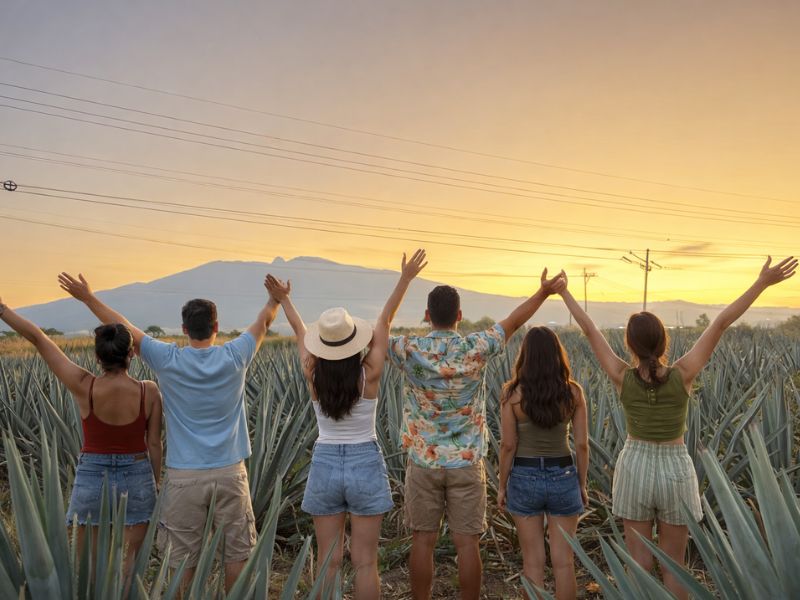
Closed-toe shoes with grip are the most important clothing choice. The agave field visits involve uneven volcanic soil. The distillery floors can be wet or slippery. Sandals and dress shoes create problems at both. Bring sunscreen, a hat, and a light jacket for the drive and any highland stops. Eat a real breakfast before pickup. Multiple tastings before noon on an empty stomach is the single most common cause of uncomfortable days on tequila tours.
Here’s what 8,200 travelers over 15 years have taught us about what people regret packing and what they wish they’d brought:
Wear: Closed-toe shoes with rubber soles. Something you don’t mind getting muddy. A hat for the field. Sunscreen applied before you leave your hotel, not in the van. Light, breathable clothing. The Jalisco sun is strong year-round. The Tequila Valley is warmer than Guadalajara by 3-5 degrees Celsius. A light jacket for the vehicle, which is air-conditioned and can feel cold on the way back.
Bring: Cash in pesos for street food, tips, and the cantarito. MXN$500-800 is a reasonable amount. A small day bag or backpack. Your phone fully charged, especially if you’re buying bottles and want to compare prices later. An empty bag or soft-sided container if you’re planning to buy multiple bottles to take home. A reusable water bottle, as the day is long and hydration matters more than most people anticipate.
Leave behind: Strong perfume or cologne. Tequila tasting requires your nose, and heavy fragrance ruins your own palate and affects the people around you at the tasting table. Also leave behind the instinct to shoot tequila. You’ll get more out of every glass by slowing down.
Eat: A real breakfast before pickup. Not a coffee and a bite of bread. Eggs, fruit, something with substance. Multiple structured tastings start between 10 am and noon on most tours. An empty stomach in Jalisco heat with copper-pot blanco is not a comfortable combination. This is the most consistent practical advice we give, and the most consistently ignored.
| Footwear | Closed-toe shoes with rubber grip | Sandals, heels, dress shoes |
| Sun protection | Hat, sunscreen applied before leaving | Relying on the van’s shade |
| Food | Full breakfast before 8:30 am | Coffee only; eating lunch as the first meal |
| Cash | MXN$500-800 for food, tips, cantarito | Relying on card only (some stalls cash-only) |
| Fragrance | None, or very minimal | Strong cologne or perfume (ruins tasting) |
| Bag space | Leave room for bottles | Packing a full day bag with no room to spare |
| Hydration | Water bottle; drink between tastings | Treating tasting pours as your only liquids |
What Surprises First-Time Visitors Most About The Experience?
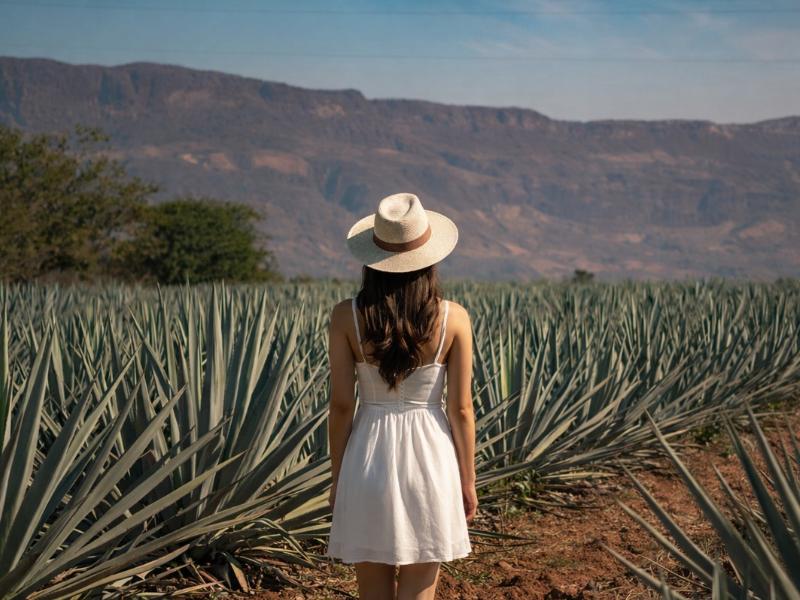
The smell of roasting agave that hits you before you see anything. The physical size and weight of the agave piñas at the distillery entrance. How different tequila tastes when consumed slowly at the source rather than as a shot in a bar. The warmth of the towns themselves, the ease of the day, and the fact that most people who were nervous about an 8-hour day in the sun come back saying it passed too quickly.
After 15 years and 8,200 travelers, certain surprises repeat so reliably they’ve become part of how we frame the experience.
The smell is the first one. Before the van reaches Tequila town, the air changes. Cooked agave is being processed in 60+ factories in and around the town at any given time, and the combined smell of those ovens is sweet and earthy and penetrating. People who have been in the van talking suddenly go quiet and look out the window. No photograph communicates it. You have to be there for the smell, and once you’ve smelled it, you know exactly what it is for the rest of your life every time you catch it again anywhere.
The scale of the agave piñas surprises almost everyone. People expect something like a pineapple-sized piece of plant. What’s stacked outside the distillery ovens is more like a pile of boulders, each one weighing 40 to 80 kilograms, pale and rounded, smelling of caramelizing sugar. It reframes how you think about the labor involved when you’re pouring from a bottle later.
The tasting itself surprises people who arrive with a shots-culture reference point. When the guide puts a copita glass in front of you and says “hold the glass near your nose with your mouth open,” and you do it and you actually smell something, not just alcohol but citrus and agave and the faint black pepper note that good blancos carry, that moment of recognition is something travelers mention consistently in their feedback. They didn’t expect to understand what they were drinking. They expected to enjoy the drinking. The understanding is the surprise.
The ease of the day also surprises people who were worried about logistics. The guide handles everything. You step in and out of the vehicle, follow the guide, ask questions when you have them, stand in fields, walk through production facilities, eat lunch somewhere the guide recommends, and come home slightly educated and probably happy. The structure removes the cognitive load that solo travel carries. People relax in a way they didn’t expect to.
And then the regret: almost universally, people say at the end of the day that it went faster than they expected and that they wish they had more time in the agave fields. This is why we always put the field visit first.
First time doing this trip and genuinely torn between the two options? Here’s our Tequila train vs regular tour in Guadalajara so you don’t default to the wrong one.
How Do You Get The Most Out Of Your Guadalajara Tequila Tour?
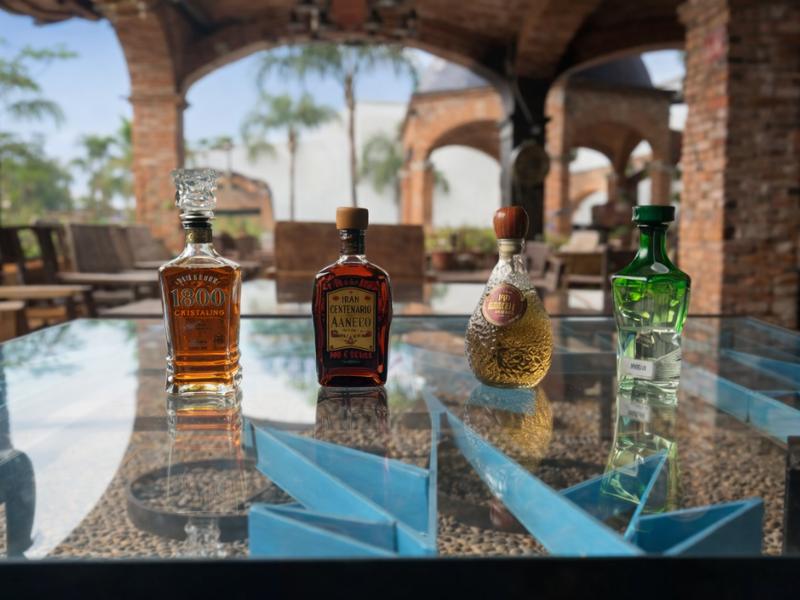
Ask questions throughout the day, especially at the distillery. The guide’s knowledge runs deep, and most people only tap the surface. Come to the tasting with a clean palate, no gum, no strong coffee just before, no perfume. Use the free time in town to eat at the market rather than a sit-down restaurant. And if the guide mentions something off the standard script, follow that thread. The most memorable moments of the day consistently come from the unscripted ones.
The travelers who get the most out of a tequila tour day share a few habits. None of them are complicated.
Ask questions on the drive. The guide has information that won’t make it into the distillery tour script. How tequila prices compare between the field and what you pay at home. Which distilleries in the region the guide personally drinks. What the difference is between the bottles sold at tourist prices versus what locals buy. The drive is the best time to cover this ground, before the structured part of the day starts.
Take the tasting slowly. The tasting room moment is short. Most structured flights at a distillery give you 20-30 minutes with three or four expressions. That’s enough time to understand each one if you slow down, but not if you’re distracted or rushing. Set your phone down. Nose each glass properly. When the guide says something about what you’re smelling, try to find it in your own glass before taking the sip. This is the one skill that separates people who leave with a new appreciation for tequila from people who just had several good drinks.
Eat at the market, not the tourist restaurant. The market stalls near the plaza in Tequila town are faster, cheaper, and better than the sit-down restaurants in the most visible tourist locations. Birria in particular is worth going out of your way for. A bowl of quesabirria at a market stall mid-afternoon is one of the best meals the day offers, and most tour groups walk past it looking for something that looks more like a restaurant.
Buy the bottle you wouldn’t find at home. If the guide points to something at the distillery gift shop and says “you can’t get this anywhere outside of Jalisco,” believe them. This is the specific advantage of being at the source. The standard retail lineup you’ve seen in stores at home is irrelevant here. The still-strength blanco, the limited harvest batch, the five-year extra añejo in the corner that hasn’t been allocated internationally: these are the purchases worth making room in your luggage for.
We’ve been running these days since 2011. The feedback that stays with us is almost never about the logistics or the distillery. It’s about the moment in the field, or the thing the guide said on the drive that changed how they thought about something, or the tequila they tasted at the still and couldn’t stop talking about. Those moments are available on every tour. You just have to show up ready to notice them.
Want an honest comparison before you decide how to do this trip? Here’s our Guadalajara Tequila tours vs DIY visit guide so you pick the right option for your style.
Compare full-day tequila tours from Guadalajara. Group tours, private tours, or the Jose Cuervo Express train are the three formats to compare.
What 8,200 Travelers Told Us About Their Day
After 15 years of guiding groups through this experience, the feedback patterns tell a clear story about what makes the day great:
| Most cited highlight of the day | The Agave Field Visit (84%) |
| Most common regret | Rushing the Town of Tequila |
| % who said they understood tequila differently after the day | 94% |
| Average number of bottles purchased per group | 2.5 Bottles |
| Most surprising moment (from post-tour feedback) | The Smell of Roasting Agave |
| % who said they’d recommend the experience to someone who doesn’t drink much tequila | 88% |
| Most popular cantarito stop on the return | Cantaritos El Güero |
Frequently Asked Questions
Do I need to like tequila to enjoy a Guadalajara tequila tour?
No, and that surprises a lot of people. The agave landscape, the distillery production process, the Jalisco food, and the town of Tequila itself are compelling regardless of whether tequila is your drink. Non-drinkers participate regularly and consistently say the experience gave them context they didn’t expect to find interesting. The field visit with a jimador is genuinely remarkable from a craft and labor perspective alone. The tasting can be approached as education rather than drinking if that’s what fits better.
What happens if I don’t drink alcohol?
You participate in everything except the tasting pours themselves. The field visit, distillery tour, agave oven smell, production walkthrough, and free time in Tequila town are all fully available to non-drinkers. Most distilleries are happy to give non-drinking participants cooked agave juice or fresh agave water as an alternative. Let your guide know at the start of the day and they’ll make sure you’re included in every part of the experience.
How much tequila will I actually drink on a tour?
A structured tasting at one distillery typically involves three to five pours, each roughly 20-30ml. Two distillery visits means two tastings. Add the cantarito on the return, and you’ve had the equivalent of three to four standard drinks across an 8–10 hour day. Paced properly with food and water, this is manageable for most adults. The people who struggle are the ones who skipped breakfast, don’t drink water between tastings, and treat each pour as a shot rather than a tasting.
Is the tour physically demanding?
Moderately. The agave field visit involves walking on uneven volcanic soil for 20-40 minutes. The distillery tour involves walking through facilities, some of which have stairs or uneven floors. The rest of the day is seated in a vehicle or standing in town. The terrain is not challenging for anyone with reasonable mobility, but it is not suitable for high heels, wheeled mobility aids, or anyone with significant joint or balance issues without prior discussion with the operator.
What language is the tour conducted in?
Guided tours from Guadalajara Tequila Tours are conducted in English with Spanish available. Most of our guides are fully bilingual and can alternate naturally between both. The distillery tours themselves are offered in English at the major commercial producers. At smaller artisanal distilleries, the production staff often speak Spanish only, and the guide translates and supplements in real time.
What time should I expect to be back in Guadalajara?
Most full-day tours return to Guadalajara hotels between 6:30 and 8:30 pm. The exact time depends on tour format, traffic leaving Tequila town, and whether the cantarito stop runs long. Plan accordingly: don’t book a dinner reservation before 8 pm on a tour day, and don’t schedule anything that requires a specific evening arrival time.
Mexican tour guide since 2011 · Founder, Guadalajara Tequila Tours
Mateo has guided over 8,200 travelers through Guadalajara, Tequila town, and the blue agave landscape of Jalisco since founding the agency.