Is Tequila Cheaper To Buy In Mexico?
A bottle that runs forty dollars at a US store can sit on a Jalisco distillery shelf for less, and a few of the best bottles never leave Mexico. That gap is why you leave suitcase room.
A bottle that runs forty dollars at a US liquor store can sit on a Jalisco distillery shelf for noticeably less, and a few of the best bottles never leave Mexico at all. That gap is the real reason to leave room in your suitcase, and it is worth understanding before you spend a peso.
Booking choice: Learn aroma, body and finish with a host; fruit, cheese, chocolate and water are included. Taste Tequila With Paired Bites
Is Tequila Cheaper To Buy In Mexico?
Generally yes, and the discount is largest at the source. Buying tequila in Jalisco, especially at the distillery that makes it, usually costs less than the same bottle abroad, because you skip import duties, distributor margins, and foreign taxes. The savings are biggest on premium and 100% agave brands, and smallest on the mass-market bottles you can already buy anywhere.
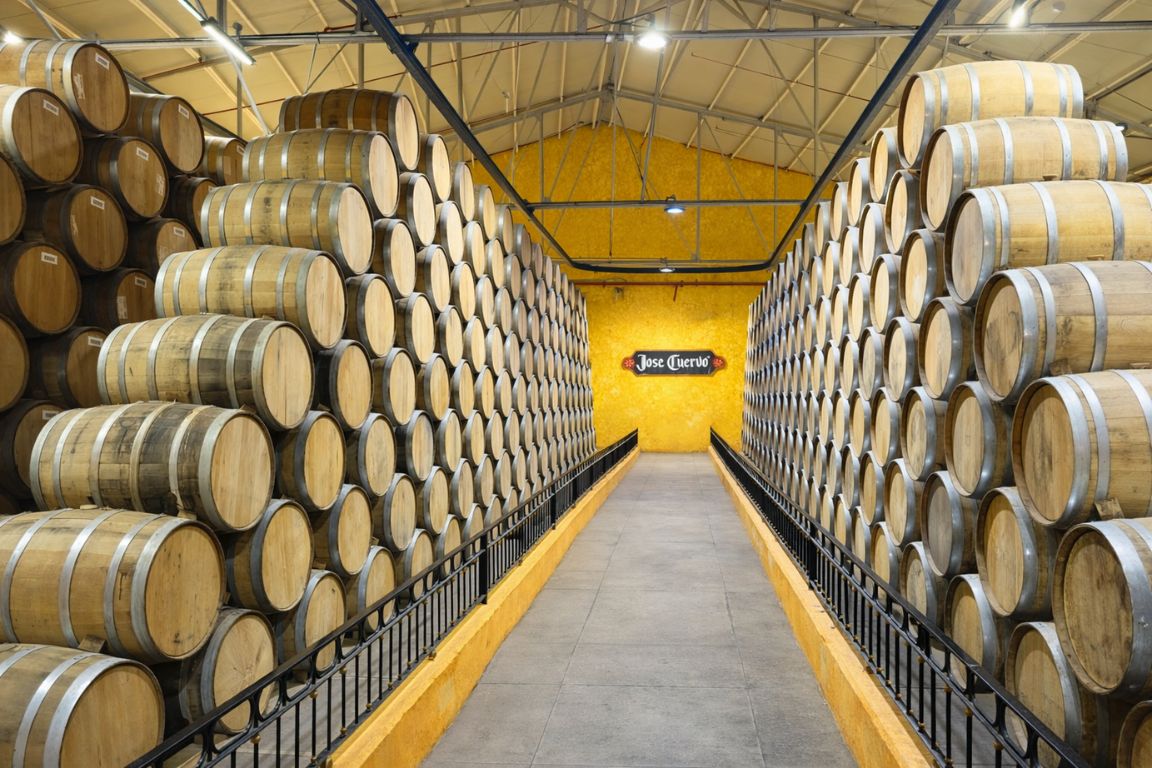
The reason is the supply chain, not a tourist discount. Every bottle that reaches a foreign shelf carries import duty, a distributor's cut, and local alcohol tax stacked on top of the Mexican price. Buy it where it is made and most of that stack disappears. The exception is the big export brands, which are produced at such scale that the price abroad is already low, so the saving is modest. For a sense of which producers reward the trip, our guide to which distilleries are worth visiting is the place to start.
Where Do You Get The Best Price: Duty-free Or The Distillery?
The distillery gift shop usually wins on selection, the airport duty-free on convenience. Distillery shops carry expressions and single-barrel bottles you cannot find elsewhere, often at the lowest price of anywhere. Airport duty-free is handy on the way out and sidesteps the checked-bag question, but the range is narrower and skewed toward the big brands.

If you can carry it, buying at the distillery is the better play: better price, better story, and bottles that do not exist abroad. Duty-free earns its place as a backstop, for the traveler who did not shop in town or who wants a sealed bottle they can carry through a connection. A distillery day such as a distillery day at the source puts you in front of the gift shop with a guide who can tell you which pour is worth taking home, and an artisanal tasting session is aimed squarely at the smaller labels most shops never stock.
What's Actually Worth Bringing Home?
The bottles you cannot easily get abroad. Distillery-only releases and small craft brands are the ones worth the suitcase space: additive-free producers like Fortaleza, tahona-made Cascahuín from El Arenal, and the local El Tequileño rarely reach foreign shelves, or land there at a steep markup. Skip whatever your home store already stocks.
Buy a style you will actually drink. Blanco is the agave-forward, unaged expression; reposado and añejo pick up oak and sweetness from the barrel. If you are unsure which suits you, our primer on blanco, reposado and añejo explained sorts the styles out, and our read on what actually makes a good bottle covers the additive-free question that separates the craft producers from the rest. The one badge worth checking on the label is the NOM number and the 100% agave line, both regulated by the Consejo Regulador del Tequila.
How Much Tequila Can You Legally Bring Back?
For US travelers, roughly one liter per adult enters duty-free, and you can bring more but may owe duty and tax on the excess. US Customs sets a personal exemption around one liter for travelers aged 21 and over; above that, the extra is legal but taxable, and some states set their own limits. Check the current CBP rules before you load up.
The duty on a bottle or two over the line is usually small, more paperwork than expense, but it is real, so declare what you carry. Rules shift and vary by state of entry, which is why the figures here are planning allowances rather than guarantees. Confirm the current personal exemption and any state cap for your port of entry before you buy in bulk.
A tour booking does not change customs allowances. Confirm your destination and airline rules before deciding how many bottles to buy.
How Do You Get The Bottles Home In One Piece?
In checked luggage, wrapped well. Liquid rules keep full-size bottles out of your carry-on, so tequila travels in checked bags, and airlines allow spirits between 24% and 70% alcohol up to five liters per person in unopened retail packaging. Duty-free bought airside is the exception, sealed in a tamper-evident bag. Pad each bottle and pack it in the center of the bag.
A wine skin or a few layers of clothing around the glass does the job; the goal is to keep bottles off the hard sides of the case. Standard tequila sits around 38 to 40% alcohol, comfortably inside the checked-bag range, so the five-liter figure is the real ceiling for most travelers. It is worth booking ahead a little suitcase space, because the best bottles are the whole point of shopping at the source.
Bottle packing and baggage allowances remain your responsibility; no reviewed tour includes international bottle shipping.