Types Of Tequila: Blanco, Reposado And Añejo Explained
Blanco, reposado, añejo, extra añejo: the words are set by law and decided by time in oak. Here is what each one tastes like, how to drink it, and which you will pour on a tour.
Line up four glasses of tequila from the same distillery and the only thing that changed between them is time. Same blue agave, same field, same still. One is water-clear, the next is pale straw, then old gold, then a deep amber that looks closer to whisky than to the shot most people picture. That single variable, months and years in oak, is the whole story of the categories, and it decides colour, price and how you are meant to drink each one.
Booking choice: Learn aroma, body and finish with a host; fruit, cheese, chocolate and water are included. Taste Tequila With Paired Bites
The names on the back label are set by law, not by marketing. A Mexican standard defines what can be called blanco, reposado, añejo and extra añejo, and how long each has to spend in wood to earn the word. Get those four straight and the rest of the shelf, the joven, the gold, the cristalino, stops being confusing. The tours we send travelers on pour these styles side by side, which is the fastest way to feel the difference rather than read about it.
How long each style rests in oak
Midpoints within each legal aging band, shown as a planning guide, not a fixed figure; the exact age varies by producer within the category's range.
What Is The Difference Between Blanco, Reposado And Añejo Tequila?
Blanco is unaged and clear, bottled straight off the still or rested under two months, so it tastes the most of raw agave: bright, peppery, herbal. Reposado rests in oak two to twelve months and turns pale gold, gaining vanilla and spice. Añejo sits in barrels one to three years, darker and softer, with oak, caramel and dried fruit. The longer a tequila spends in wood, the smoother and more coloured it gets, and the more the barrel starts to speak over the plant.
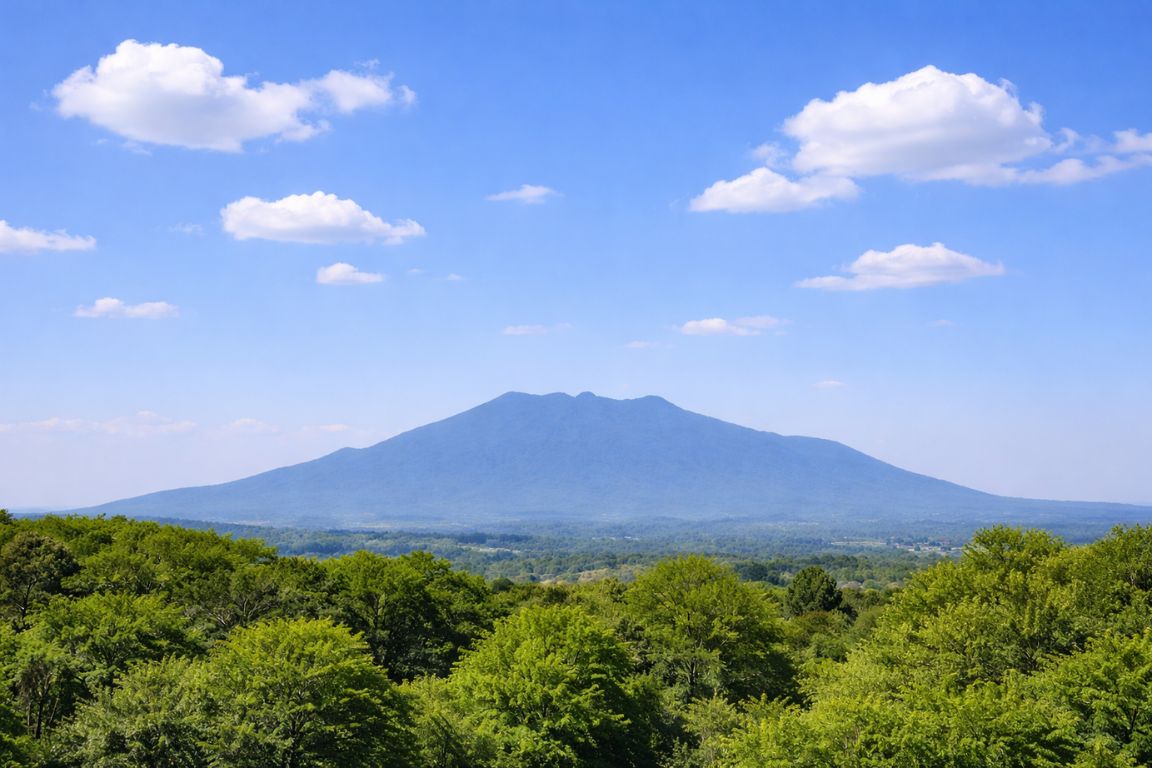
That trade is the thing to understand before you spend money. Aging does not make tequila better, it makes it different. Blanco is where you actually taste the agave and the distiller's skill, with nowhere to hide. Añejo is rounder and easier, but the oak masks some of the raw character that agave fans chase. Reposado sits in the middle and is the style most people end up buying, because it keeps the agave while sanding off the edges.
| Category | Time in oak | Colour | Typical flavour | Best served |
|---|---|---|---|---|
| Blanco (silver, plata) | Unaged, or under 2 months | Clear | Raw cooked agave, black pepper, citrus, fresh herbs | Neat, in a margarita, in a paloma |
| Reposado (rested) | 2 to 12 months | Pale gold to straw | Agave with vanilla, light oak, baking spice, a softer edge | Sipped neat, in an oaky margarita, with grilled food |
| Añejo (aged) | 1 to 3 years | Amber to old gold | Oak, caramel, dried fruit, toffee, the agave receding | Sipped slowly, neat, after a meal |
| Extra añejo (ultra-aged) | 3 years and up | Deep amber to mahogany | Dark chocolate, tobacco, dried fig, heavy oak | Neat, as a dessert or nightcap pour |
These bands are the legal skeleton, published and enforced by the tequila regulator. The exact house style still varies from producer to producer, which is why a two-month reposado from one distillery can taste woodier than an eleven-month reposado from another. If you want the category walked through glass by glass with someone explaining what you are smelling, that is what a beginner's guide to tasting tequila covers, and it is the core of every distillery visit on the route.
How Does Aging Change Tequila's Colour And Flavour?
Colour comes almost entirely from the barrel, not the agave. Fresh tequila off the still is clear. Oak leaches tannins, vanillin and colour into the spirit, so the longer it rests the darker it looks, moving from clear to straw to gold to amber. Flavour follows the same curve: more wood, spice, caramel and roundness, less raw green agave. Barrel size and the barrel's history matter too, which is why aged tequila is not a simple ladder.
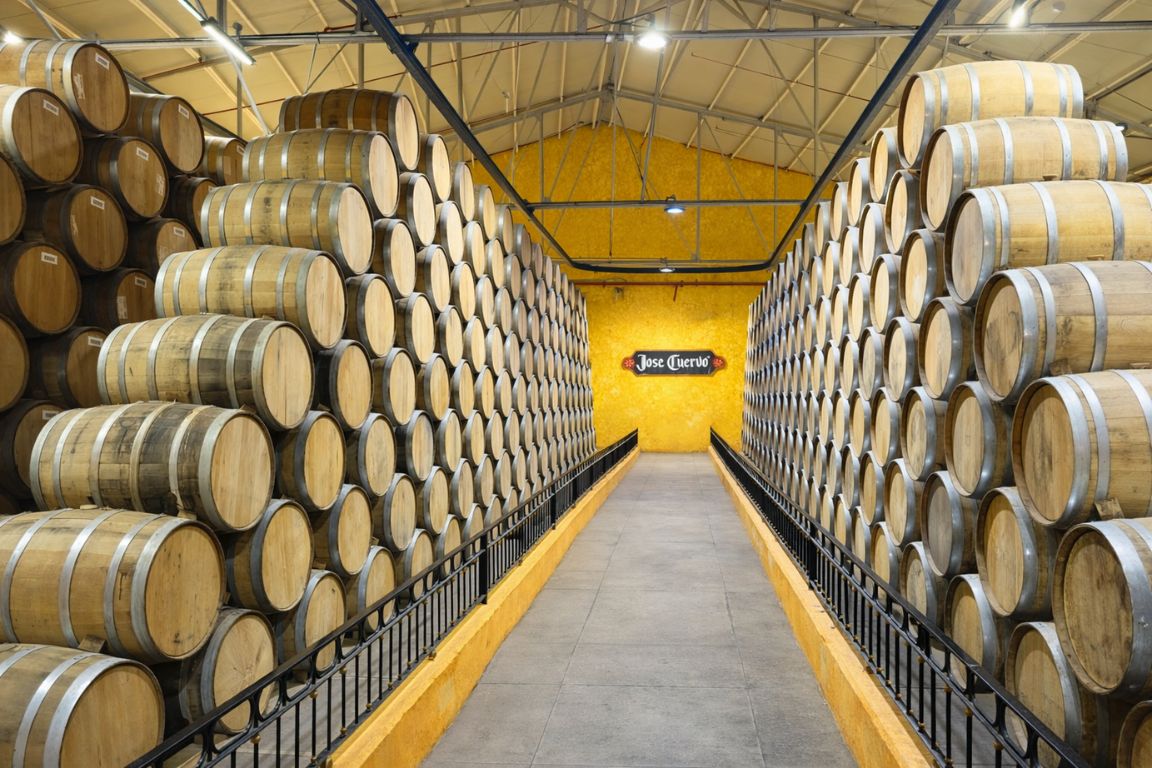
Most producers age in ex-bourbon American oak barrels, which is where a lot of the vanilla and caramel comes from. A first-use barrel gives up colour and tannin fast, a barrel on its fourth or fifth fill works slowly, and a smaller barrel ages faster than a big one because more of the spirit touches wood. Some houses skip barrels entirely and use giant vats or steel, which keeps a reposado paler than its months would suggest. None of this is a trick. It is the range that makes tasting interesting.
One warning that matters for reading a shelf: colour can be faked. A cheap tequila can be tinted with caramel colouring and marketed as gold without ever seeing a real barrel, which is common in the mixto grade covered below. Deep colour is not proof of long aging, and pale colour is not proof of youth. The safest signal is the category word and the agave percentage, not the shade in the glass. Our note on what actually makes a tequila good goes further into additives and colouring.
What Are Joven, Cristalino And Extra Añejo Tequila?
Joven (gold) is blanco blended with a little aged tequila, or in cheaper grades a blanco coloured and sweetened to look aged. Extra añejo is the top age class, three years or more in oak, dark and expensive. Cristalino is an aged tequila, usually añejo, filtered through charcoal to strip the colour back to clear while keeping the barrel flavour. These three are where most shelf confusion lives, so they are worth separating.
Joven, meaning young, is the odd one. At the premium end it is a genuine blend that gives you some agave brightness with a touch of oak softness. At the cheap end, most gold tequila in a bar well is a mixto blanco with caramel colour and a little glycerine or sugar syrup, which is the tequila that earned the whole spirit its rough reputation. Extra añejo is the newest legal class, recognised as its own category in 2006, and the rarest of the four because tying up a spirit in oak for three-plus years is slow and costly.
Cristalino is the modern trend and the one that surprises people. It is aged tequila, carbon-filtered so it pours clear like a blanco but tastes soft and oaky like an añejo. Fans love the contradiction. Purists argue the filtering strips out as much good as bad. Either way it sits at a premium price and shows up on more tasting menus every year.
| Style | What it actually is | Colour | Where it fits |
|---|---|---|---|
| Joven / gold / oro (premium) | Blanco blended with a little reposado or añejo | Light gold | An easy crossover pour, agave with a hint of oak |
| Joven / gold (cheap mixto) | Blanco with caramel colour and sweetener | Gold | The bar-well shot to avoid if you want real tequila |
| Extra añejo | Aged 3 years or more in oak | Deep amber | The sipping top shelf, priced like aged whisky |
| Cristalino | Añejo or extra añejo filtered clear | Clear | Barrel flavour, blanco looks, a premium price |
You will meet cristalino and extra añejo on the higher-end tastings, and joven far less often, because serious distilleries would rather show you the four core styles. If you want to compare these against the neighbouring agave spirit, how mezcal differs from tequila explains why smoke, not oak, is what sets mezcal apart.
What Does 100% Agave Mean, And Why Does It Matter?
"100% agave" means every fermentable sugar came from blue Weber agave and nothing else. "Mixto" tequila, which just says "tequila" without the 100% line, is legally allowed to be only 51% agave, with the rest from cane or other sugars. The 100% agave grade tastes cleaner, must be bottled in Mexico; the label does not prevent a hangover. This one line on the label separates the good bottles from the rough ones more reliably than colour or age does.
Both grades can legally be called tequila, which is why the distinction catches so many visitors out. A mixto is not counterfeit, it is a lower rung: cheaper agave, more added sugar, and often the caramel colouring mentioned above. The famous well tequila that made a generation swear off the spirit was almost always mixto. Once you switch to 100% agave, the drink most people think they hate turns into something they will happily sip.
Read the front label, not the price. The words you want are "100% de agave" or "100% blue agave." If a bottle only says "tequila," assume mixto. The distilleries on the route pour 100% agave almost exclusively, so a tasting there is a fair reference point for what the real thing is meant to be, and a premium artisanal tasting session is built around exactly that comparison.
| On the label | What it means | Minimum agave | Bottled in Mexico? |
|---|---|---|---|
| 100% de agave / 100% blue agave | All sugars from blue Weber agave | 100% | Yes, required by law |
| Just "Tequila" (mixto) | Agave sugars topped up with cane or other sugars | 51% | Can be shipped in bulk and bottled abroad |
How Should You Drink Each Type Of Tequila?
Blanco is the flexible one: it holds up neat and it is the right base for a margarita or a paloma. Reposado is best sipped neat but makes a rounder, oakier cocktail if you want one. Añejo and extra añejo are for slow sipping, neat, at room temperature. Good tequila is not built for shooting.
The salt-and-lime ritual exists to mask a bad spirit, so it fades the moment the tequila is worth tasting. With a 100% agave pour you want a small measure, a wide glass and time. Warmth opens the aroma, so aged styles are never served cold. Blanco can take a chill in a cocktail because the citrus and ice are doing different work there, but even a blanco rewards a proper sip before it goes anywhere near a shaker.
The other regional move worth knowing is the chaser. Instead of salt and lime, locals often sip a blanco or reposado alongside sangrita, a bright non-alcoholic mix of citrus, tomato and chilli that resets the palate between sips. It is refreshment, not a way to knock the drink back faster. The full method, glass by glass, sits in the tasting guide, and what a tasting day actually involves shows how the pours are paced across a real visit.
| Style | Sip neat? | Good in a cocktail? | Glass |
|---|---|---|---|
| Blanco | Yes, bright and agave-forward | Yes, the classic margarita and paloma base | Copita, or a tumbler for a cocktail |
| Reposado | Yes, this is its best use | Yes, for a softer, oakier drink | Copita or a small tulip glass |
| Añejo | Yes, slowly, at room temperature | A waste of the barrel time, so rarely | Copita or a snifter |
| Extra añejo | Yes, as a dessert or nightcap pour | No, sip it | Snifter or copita |
Which Is Better, Blanco Reposado Or Añejo?
None is better, they are three different drinks. Blanco wins if you love the raw agave and want a cocktail base. Reposado is the safe crowd-pleaser and the most versatile bottle to own. Añejo wins if you want something smooth and slow to sip after dinner. Serious agave drinkers often rate blanco highest because it hides nothing. The right answer depends on whether you are chasing agave or oak.
Here is the honest counter to the usual assumption. People new to tequila expect the aged, darker, pricier bottle to be the best one, the way it works with whisky. It does not map cleanly. A great blanco can cost as much as an añejo and is harder to make well, because there is no barrel to cover a flaw. Distillers frequently pour blanco first on a tasting for that reason: it is the truest read on the agave and the still.
If you only buy one bottle, reposado is the sensible pick. It sips well enough neat to satisfy most guests and still mixes into a good margarita, so it does two jobs. If you are buying to learn, buy a blanco and an añejo from the same distillery and taste them back to back. That single comparison teaches more than any article, and it is the exact experience packed into a Tequila tour with tastings and lunch, where the pours come straight from the source.
Which Tequila Is Best For Margaritas?
A 100% agave blanco. Its bright citrus and pepper cut cleanly through lime and orange liqueur, which is exactly what a margarita needs. Reposado makes a warmer, oakier margarita for people who want more body. Añejo and extra añejo are wasted in a shaker: the aging you paid for disappears under the lime, so keep those for sipping.
The reasoning is about balance. A margarita is an acid-forward drink, so it wants a spirit with enough backbone to be tasted through the citrus and the sweetener. Blanco delivers that at a fair price, which is why almost every serious bar builds its house margarita on a silver. If you want a slightly rounder, more grown-up version, a short-rested reposado adds a vanilla note without burying the agave, and that is the one upgrade worth making.
For a paloma, the grapefruit-and-soda drink locals actually reach for more often than the margarita, the same rule holds: blanco first, reposado if you want depth. Save the money you would spend pouring añejo into a cocktail and buy a better blanco instead. Which foods sit alongside each of these drinks is its own subject, covered in which foods pair with each style.
| Drink | Best tequila | Why |
|---|---|---|
| Classic margarita | Blanco | Bright agave and pepper read through lime and orange liqueur |
| Oaky, richer margarita | Reposado | Adds vanilla and body without hiding the agave |
| Paloma | Blanco or reposado | Cuts through grapefruit and soda cleanly |
| Sipping, neat | Reposado, añejo, extra añejo | The aging is the point, so do not shake it away |
What Types Of Tequila Will You Actually Taste On A Tour?
Nearly every distillery visit pours the core three, blanco, reposado and añejo, in that order, and the better tastings add an extra añejo or a cristalino at the top. You taste youngest to oldest so the oak builds gradually and does not flatten your palate. Expect small measures, a wide glass and a guide explaining what to notice in each.
Going youngest first is deliberate. Blanco resets your palate on raw agave, then each pour adds a layer of wood, so by the añejo you can feel exactly what the barrel did. Reverse the order and the aged spirit numbs you to the blanco's detail. This is why a guided flight beats grabbing random pours at a bar: the sequence is doing half the teaching. The tequila and food pairing tour runs exactly this three-glass flight and sets a Mexican dish against each style.
You will also taste things a shop shelf cannot show you: spirit straight off the still before it sees a barrel, cooked agave fibre you can chew, and sometimes a single-barrel pour a distillery keeps for visitors. The distilleries that do this best are the ones we point people toward in the distilleries worth visiting, and most of them require only a short drive out from the city on guided tequila tours from Guadalajara.
| Pour on a typical flight | Style | What to notice |
|---|---|---|
| 1st | Blanco | Raw cooked agave, pepper, citrus, the still's character |
| 2nd | Reposado | The first oak, vanilla and spice arriving over the agave |
| 3rd | Añejo | Caramel, dried fruit, a longer finish, the agave stepping back |
| Top pour, if offered | Extra añejo or cristalino | Heavy oak and chocolate, or barrel flavour in a clear pour |
How Do You Read A Tequila Label To Tell The Types Apart?
Four things on the label do the work: the category word (blanco, reposado, añejo, extra añejo), the "100% de agave" line if it is there, the NOM number for the distillery, and the alcohol strength. Read those and you know the age class, the grade, who made it and how strong it is, without trusting the colour on the shelf.
The NOM is the one most people miss. Every real tequila carries a four-digit NOM number tied to the distillery that produced it, so two very different brands can share a NOM because they come off the same stills. It is the quiet way to see past a fancy bottle to what is actually inside. The alcohol strength sits between 35 and 55%, and most sit around 38 to 40%; a higher proof is not better, just stronger, though some agave fans prefer it because more flavour survives.
Ignore the noise and read the signal. "Hecho en México" and the category word are required. "100% de agave" is the grade line that separates the good bottles from mixto. Everything else, crests, gold foil, "reserva," "premium," is marketing with no legal meaning. A clear bottle can be a blanco or a cristalino, so the word matters more than the look. A brand can rename and rebrand at will, but the NOM, the category word and the agave line cannot lie, which is why the back label is more honest than the front. Learn to read those and no amount of packaging can mislead you.
| On the label | What it tells you | What to look for |
|---|---|---|
| Category word | The age class | Blanco, reposado, añejo or extra añejo |
| 100% de agave | The grade | Present means all-agave; absent means mixto |
| NOM number | The distillery that made it | A four-digit code, shared by brands off the same stills |
| Alcohol by volume | The strength | Usually 38 to 40%, sometimes higher for more flavour |
| Hecho en México | Origin | Required on all tequila |
How Much Does Each Type Of Tequila Cost, And What Should You Buy?
Price climbs with age because barrels tie up the spirit for years. A decent 100% agave blanco is the best value, a reposado costs a little more, and añejo and extra añejo carry a real premium for the wood time. As a rough guide, budget upward from blanco to extra añejo, and check the live listing for the figure.
The honest buying advice runs against the price ladder. A good blanco often gives you more genuine tequila character per dollar than an entry-level añejo, because you are paying for agave and craft rather than for storage. The extra añejo premium is real, driven by years of a barrel sitting idle and by evaporation loss, and it is worth it only if slow sipping is what you enjoy. For most travelers, one nice blanco and one reposado covers every occasion.
Buying at the source is part of the appeal, and whether bottles are genuinely cheaper in town is covered in buying tequila in Mexico. The category names themselves are protected by the Consejo Regulador del Tequila, and the fields those bottles come from are the UNESCO agave landscape that gives the whole region its character.
| Category | Relative price | What you pay for | Best value for |
|---|---|---|---|
| Blanco | Lowest | Agave and distilling craft, no barrel cost | Everyone, and the smart first bottle |
| Reposado | A step up | A few months of oak, wider appeal | The one-bottle household pick |
| Añejo | Higher | One to three years of barrel time | Sippers who want smooth over sharp |
| Extra añejo | Highest | Three-plus years and heavy evaporation loss | Dedicated sippers, special occasions |