The Blue Agave Fields Of Tequila: A UNESCO Landscape
About twenty minutes out of Guadalajara, the scrubland gives way to blue agave to the horizon. That view is a UNESCO World Heritage Site, and it is why the whole region looks the way it does.
About twenty minutes out of Guadalajara on the road to Tequila, the landscape changes and people stop talking. Scrubland gives way to blue agave in every direction, thick blue-grey rosettes in ruler-straight rows rolling toward a low volcano on the horizon. That view is not just pretty. It is a UNESCO World Heritage Site, protected since 2006, and it is the reason the whole region looks the way it does.
Booking choice: Combine agave-field time, craft production, a regional lunch and free time in Tequila with a private guide. Plan Your Private Tequila Day
This guide covers the agave landscape itself: what UNESCO actually protects and why, what blue agave is and how long it takes to grow, how a jimador harvests it by hand, where the best places and photo spots are, and how a tour gets you into the fields rather than just past them. Every fact here traces to the region's own record and the sources linked below.
How far the blue agave country sits from Guadalajara
Approximate road distances from Guadalajara drawn from the site's own how-to-visit data. The densest, most photogenic fields sit around Amatitán and El Arenal, on the way.
Can You Actually Visit The Blue Agave Fields Around Tequila?
Yes, and it is one of the highlights of the trip. Most guided tours from Guadalajara include a stop in a working agave field with a jimador, who shows how the plant is read and cut. You can also see the fields from the roadside, from viewpoints like the Mirador del Tequila, and from the slopes of the Tequila Volcano. The fields are private farmland, so a guide or a tour is the reliable way in. Wandering into a random field is not the move.
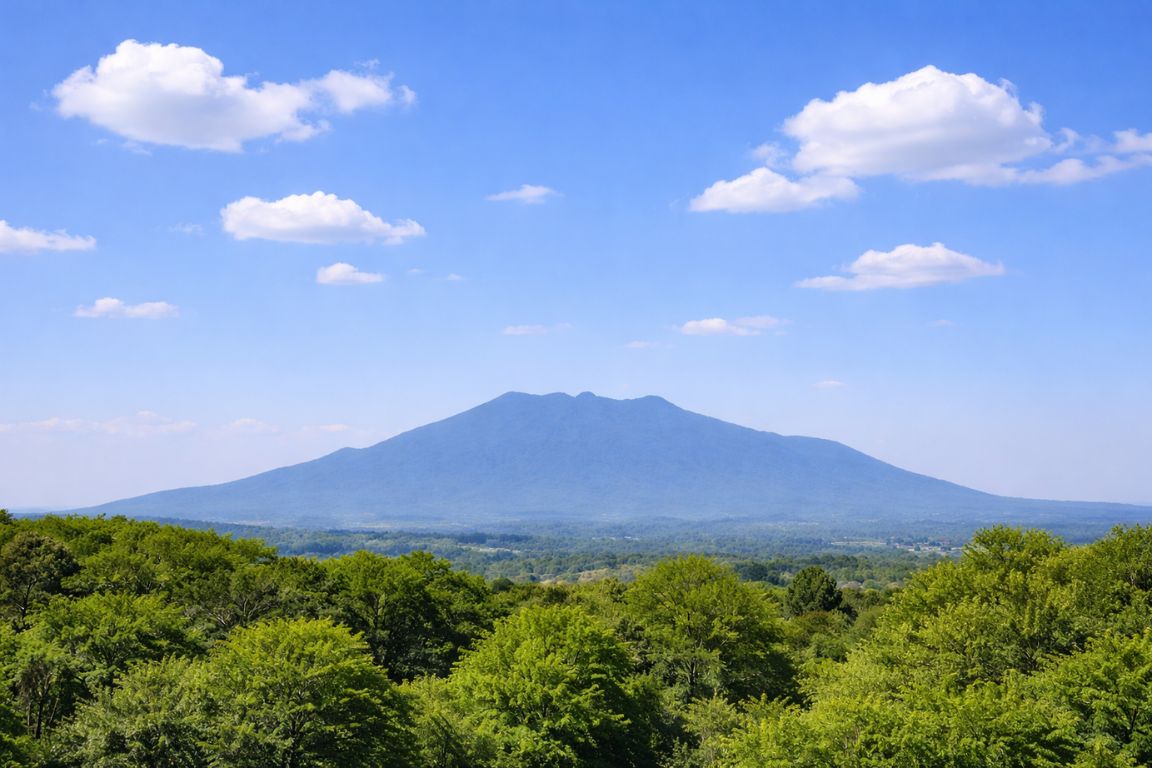
There is a difference between seeing the fields and being in them. Almost everyone who drives the Guadalajara to Tequila road sees the agave from the window, and the sight alone is worth the trip. But standing among plants taller than you are, watching a jimador strip the leaves to expose the heart, is a different thing, and that access comes through a tour or a distillery that farms its own land. The Agave Experience tour is built around exactly that field time.
A word on manners once you are in a field. This is working farmland and someone's livelihood, not a public park, so stay on the paths the guide walks and do not trample the rows for a photograph. The plants themselves also ask for respect: blue agave leaves end in a hard, needle-sharp spine that will draw blood if you back into one, which is why guides keep you to the lanes between the rows. Treat the field like the working crop it is and it rewards you with the best half hour of the day.
The densest, most photogenic fields sit around Amatitán and El Arenal, the agave towns between Guadalajara and Tequila, where the rows climb the hillsides in every direction. A private day gives you the freedom to stop wherever the light is best, which is why the luxury Amatitán immersion tour spends its time in that stretch rather than rushing through it.
The fields are there year round, but they do not look the same in every season. After the summer rains they turn a deep, lush green, and under the clear dry-season skies from November to April the blue-grey rows and the volcano behind them sharpen into the postcard version. The dry season is also when the ground is firm enough for a field visit to actually happen, which is worth weighing if the agave landscape is the main reason you are making the trip.
Why Is The Agave Landscape A UNESCO World Heritage Site?
UNESCO inscribed the Agave Landscape and Ancient Industrial Facilities of Tequila in 2006 because it is a living cultural landscape: centuries of blue agave cultivation, the old distilleries and haciendas that turned it into tequila, the town itself, and archaeological traces of much older agave use all in one place. It is protected as a rare, continuous link between a plant, a place and a craft. The distinction matters: this is farmland and heritage at once.
What sets the site apart is that it is still working. Many World Heritage sites are ruins or monuments; this one is a landscape people farm and distill in every day, the way they have for generations. The listing covers the expanse of blue fields between the Tequila Volcano and the deep valley of the Río Grande de Santiago, along with the historic production facilities, the tabernas and haciendas, that show how the industry grew. You can read the full criteria on the UNESCO listing for the agave landscape.
| What UNESCO protects | Why it counts |
|---|---|
| The blue agave fields | A living agricultural landscape shaped over centuries |
| Historic distilleries and haciendas | The industrial heritage that turned agave into tequila |
| The town of Tequila | The cultural and commercial heart of the region |
| Older archaeological sites | Evidence that agave use here predates the Spanish by centuries |
| The Tequila Volcano setting | The volcanic soil and slopes that define the terroir |
The practical upshot for a visitor is that the whole region, not just one building, is the attraction. That is why a good day pairs a field visit with a distillery: you are seeing two halves of a single protected story. The distillery half is covered in our guide to which distilleries to visit.
What Makes The Volcanic Soil And The Tequila Volcano Special?
The Tequila Volcano, the dormant peak that towers over the town, gave the region its reddish volcanic soil, and that soil is a large part of why blue agave thrives here. The volcano also anchors the UNESCO landscape, which runs from its slopes down to the deep valley of the Río Grande de Santiago. You can hike it in about half a day for sweeping views over the fields below. The mountain is not a backdrop, it is the reason the plant grows so well.
Soil is where terroir starts, and Tequila's is unusually good for agave. The volcano laid down mineral-rich, well-draining ground over a long geological history, and blue agave, a succulent that hates wet roots, does exactly what it wants in it. Stand in a field and you can see the effect: the rows are dense, uniform and healthy, climbing every slope in sight toward the peak. That is not an accident of scenery, it is the crop responding to the ground it is in.
The volcano is also a genuine outing on its own. A half-day hike on its slopes gives you the widest possible view of the agave landscape, the town small below and the blue fields spreading toward the horizon, and it is the reason a lot of people add a second day to the trip. For most visitors the volcano is a photograph from the fields, and that alone frames the classic shot. For the ambitious, it is the trip's high point, literally.
What Exactly Is Blue Agave, And How Long Does It Take To Grow?
Blue agave (Agave tequilana Weber, blue variety) is a large succulent, not a cactus, and by law it is the only plant tequila can be made from. It takes roughly 6 to 8 years to mature before it is ready to harvest, growing into a spiky rosette a couple of metres across with a heart, the piña, at its centre. That slow clock is why good tequila cannot be rushed. Patience is built into the plant.
The plant spends the better part of a decade converting sunlight into the sugars that will eventually become tequila, storing them in the piña. During those years the agave sends up offshoots, the hijuelos, which are replanted to start the next generation, so a field is a rolling cycle rather than a single crop. When a plant is nearing maturity the farmer watches the colour and the core, and the timing is a judgement call: cut too early and the sugars are thin, too late and the plant begins to flower and spends them. The rules that govern all of this, including that only blue agave from designated areas qualifies, are set by the Consejo Regulador del Tequila.
| Stage | What is happening | Rough timing |
|---|---|---|
| Planting | Hijuelos (offshoots) from mature plants are set in volcanic soil | Year 0 |
| Growth | The rosette spreads, sugars build in the piña | Years 1 to 5 |
| Maturity | Sugars peak, the plant is judged ready | Roughly years 6 to 8 |
| Harvest | The jimador cuts the plant and trims it to the piña | At maturity |
| Next cycle | Offshoots from these plants start the next generation | Ongoing |
The 6-to-8-year figure is the single most useful number for understanding tequila's price and its seasons. It also explains why what makes one bottle better than another starts in the field, a thread we pick up in what makes a good tequila.
How Is The Agave Harvested, And Who Does It?
By hand, by a jimador. Using a coa, a sharp round blade on a long pole, the jimador slices away the agave's spiky leaves, the pencas, until only the pale heart remains: the piña, which can be the size of a large boulder and looks like a giant pineapple. It is skilled, physical work, often passed down through families, and it is the same on a craft farm as it was a century ago. Machines have never really taken it over.
Watching a jimador work is the part of a field visit people remember. The coa comes down in fast, practised strokes, and within a couple of minutes a plant taller than a person is reduced to a clean piña ready for the oven. A skilled jimador reads a plant's readiness by the colour of its core and takes only the ripe ones, which is why the job cannot simply be mechanised: it is judgement as much as labour. The piñas are then trucked to the distillery, where they are roasted in brick ovens or autoclaves to convert their starches to sugar before crushing and fermentation.
| Term | What it means |
|---|---|
| Jimador | The farmer who harvests the agave, often a family trade |
| Coa | The sharp, round-bladed tool on a pole used to cut the plant |
| Jima | The act of harvesting and trimming the agave |
| Pencas | The spiky leaves the jimador strips away |
| Piña | The heart of the plant, roasted to make tequila |
From the piña onward, the paths of tequila and its cousin diverge, which is where the difference between the two spirits begins. If that comparison interests you, it runs in full in our guide to how mezcal differs from tequila.
What Happens To The Agave After It Leaves The Field?
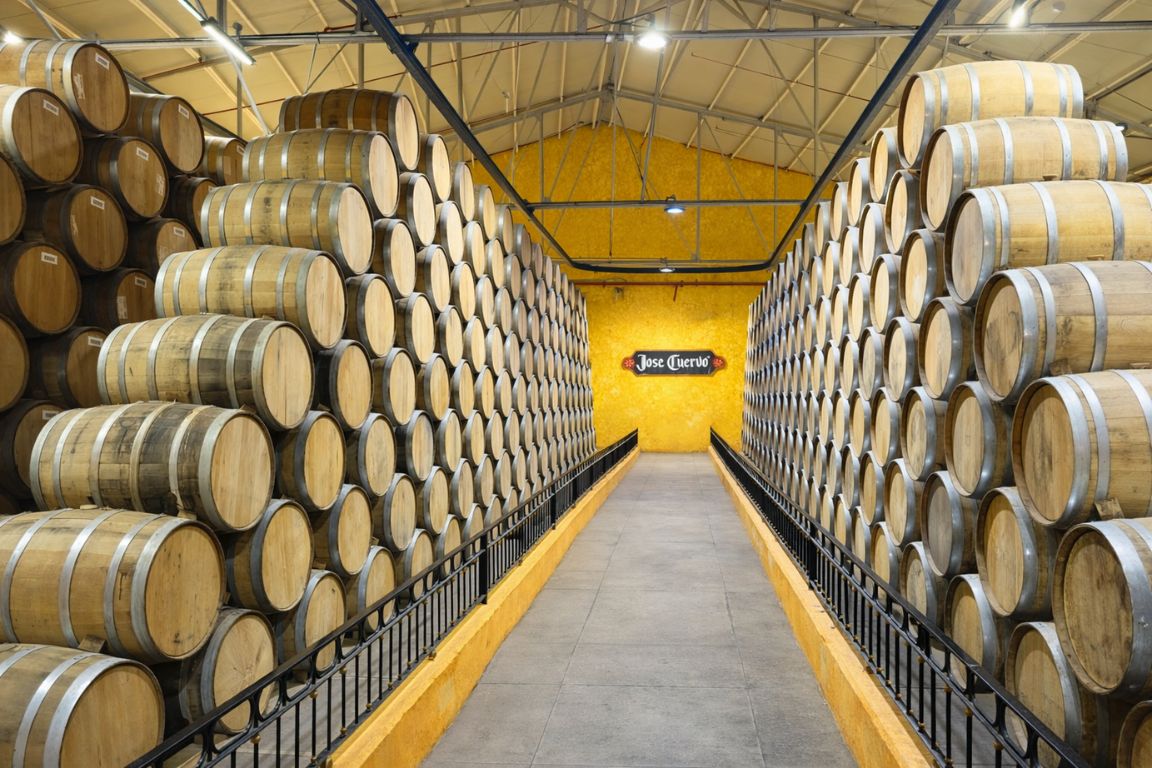
The piñas are trucked to a distillery and roasted, in brick ovens or steel autoclaves, to turn their starches into fermentable sugar. Then they are crushed, traditionally under a stone tahona wheel, the juice is fermented, and it is distilled, usually twice, in copper stills. Aging in oak is what turns clear blanco into golden reposado and darker añejo. The field is only the first chapter of the story. The rest happens indoors.
How a producer handles those steps is exactly what separates a craft tequila from an industrial one. The big commercial plants cook fast in steel autoclaves and crush with mechanical mills, which is efficient and consistent. Craft producers like Fortaleza slow-roast in brick ovens and still crush under a stone tahona, because they believe the slower path tastes better, and tasting the two side by side is the whole argument. Seeing a piña roast and then tasting what it becomes, in the same morning, is what makes a field-plus-distillery day click into place.
| Step | What happens | The traditional craft way |
|---|---|---|
| Roasting | Piñas cooked to convert starch to sugar | Slow-roasted in brick ovens, not steel autoclaves |
| Crushing | Cooked agave crushed to extract the juice | A stone tahona wheel, not a mechanical mill |
| Fermentation | Sugars converted to alcohol | Often open-air, sometimes with wild yeast |
| Distillation | The liquid distilled, usually twice | Copper pot stills |
| Aging | Blanco rested to become reposado or añejo | Oak barrels resting in a cool cellar |
That is why the fields and the distilleries are best seen together rather than apart. The blue rows explain the raw material, and the tahona and the copper stills explain what human hands do with it. Our roundup of the distilleries worth the trip covers where to see each half done well.
Where Are The Best Places And Photo Spots To See The Fields?
The strongest views are the miradores (roadside viewpoints) between Amatitán and Tequila, the approach on the Guadalajara road where the agave first appears, the fields as seen from the Tequila Volcano's slopes, and any working farm a tour takes you into. Early morning and late afternoon light turn the blue-grey rows their most photogenic. Golden hour over agave is the shot people fly in for.
Each spot has its own character. The Mirador del Tequila and similar viewpoints give you the sweeping, valley-wide panorama, the classic postcard. The road approach, about twenty minutes out of Guadalajara, gives you the moment the landscape changes, best caught from a vehicle that can pull over, which is a private tour's advantage. Inside a field you get the intimate frame: individual plants, a jimador at work, the rows receding to the volcano. Time of day matters more than location: the same field is flat and hazy at 2pm and luminous at 9am or 6pm.
| Spot | The view | Best light |
|---|---|---|
| Roadside miradores near Amatitán | Wide valley panorama of the fields | Morning or late afternoon |
| The Guadalajara road approach | The moment scrub turns to agave | Early morning |
| Tequila Volcano slopes | Fields spread below, town in view | Clear mornings |
| Inside a working field | Individual plants, jimador, close rows | Golden hour |
| Distillery estate fields | Framed rows beside historic buildings | Any time, softer at the ends of the day |
Two practical notes save most people's photos. First, a moving van window flattens the fields, so the best frames come from stops, which is where a private day pulls ahead of a fixed group route. Second, the rows have a natural leading line: stand at the end of one and let it draw the eye toward the volcano, and even a phone camera does the landscape justice. The jimador at work, mid-swing with the coa, is the one action shot the day offers, so keep the camera ready during the demonstration.
For the estate-and-field frame, a hacienda tour is ideal, since the buildings and the rows sit together. The deluxe private option, the Agave Experience Deluxe, is built around unhurried stops for exactly this kind of photography, with the freedom to pause wherever the light lands.
How Do Tours Get You Into The Fields?
Most guided tours include a dedicated agave field stop with a working jimador, usually before the first distillery, where you can walk the rows, watch a jima demonstration and often try cutting a plant yourself. Private tours go further, stopping wherever you like for photos. Doing this independently is hard, because the fields are private farmland and the working demonstrations are arranged through the operators. The field visit is a booked experience, not a wander.
On a typical full day the field visit is a set piece. The guide pulls into a farm the operator has a relationship with, a jimador is there to demonstrate, and you get 30 to 45 minutes among the plants before moving on to see the piñas roasting at the distillery. That sequence, raw plant then production, is deliberate and it is what makes the day cohere. A do-it-yourself bus visitor almost never gets this part, because arranging a working field on your own is impractical.
| Tour type | Field access | What you can do |
|---|---|---|
| Group guided tour | Dedicated field stop with a jimador | Walk the rows, watch a jima demonstration |
| Private tour | Field stop plus stops on request | All the above, at your own pace, extra photo halts |
| Hacienda distillery tour | The estate's own fields | See a live jima beside historic buildings |
| DIY by bus | Roadside views only, usually | Photograph from a distance, rarely enter |
So if being in the fields, not just seeing them, is the point of your trip, that steers you toward the guided tequila tours from Guadalajara rather than a bus day. The agave country stretches across three towns, and how far each sits from Guadalajara is worth knowing when you plan, which the chart in this guide lays out. For the town at the centre of it all, our Tequila, Mexico guide picks up where the fields end.