Tequila, Mexico: What The Town Is Actually Like To Visit
Blue agave appears about twenty minutes out of Guadalajara and keeps going all the way to a low volcano, with the town of Tequila at its foot. Here is what the place is actually like.
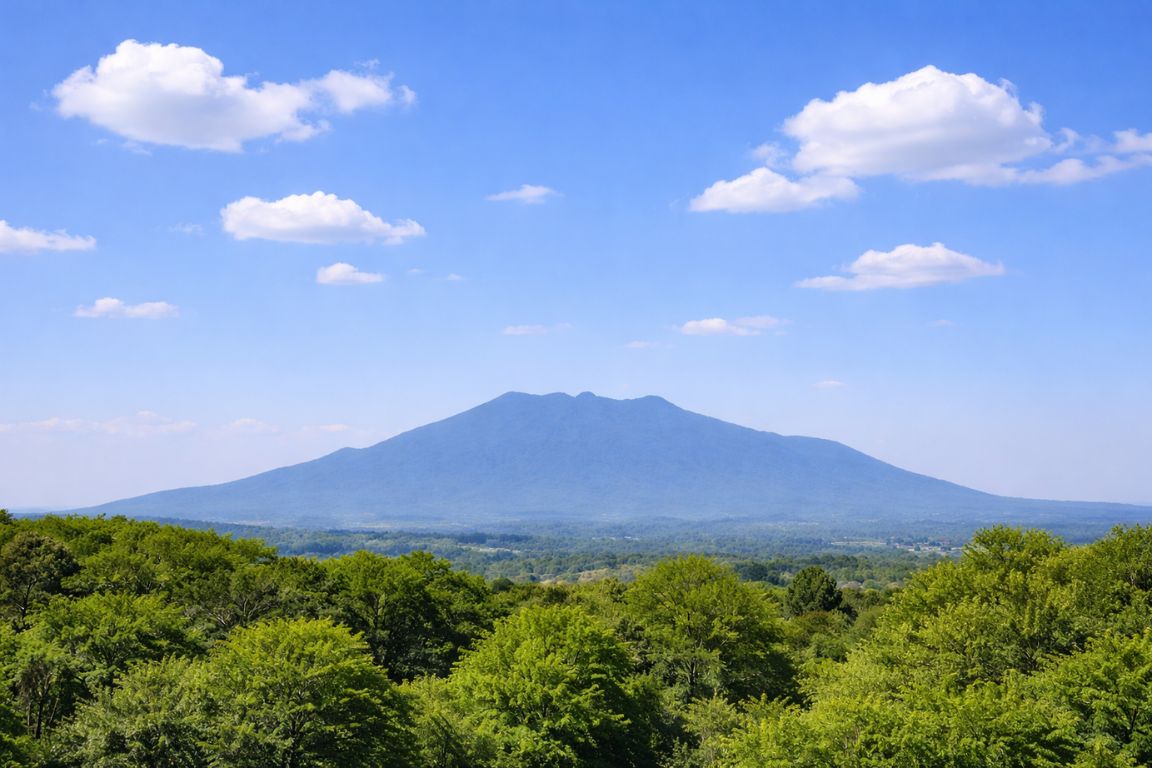
About twenty minutes out of Guadalajara the roadside changes. Scrubland gives way to blue agave, rank after rank of it running toward a low volcano, and the town of Tequila sits at the far end of that view. It is a real working town, not a theme park, though locals have an affectionate name for the tourist version of it: Disneyland for drunks.
Booking choice: Combine agave-field time, craft production, a regional lunch and free time in Tequila with a private guide. Plan Your Private Tequila Day
Tequila earned UNESCO World Heritage listing in 2006 for the agave landscape around it, and it carries Mexico's Pueblo Mágico designation. Both are deserved. What surprises most first-time visitors is how much of the town has nothing to do with a tasting room. A parish church from 1649 anchors the square, a national museum sits a few steps off it, mariachis play most afternoons, and a volcano rises behind everything, walkable in a morning.
This guide covers what the town actually holds, how long to give it, how to reach it from the city, and whether to make it a day trip or stay the night. The figures here come from the trips our team runs through Jalisco's agave country, cross-checked against the distilleries' own booking rules and the UNESCO listing for the agave landscape.
Guadalajara to Tequila, by the clock
One-way road and rail times from central Guadalajara. Planning allowances, not schedules; traffic, departure points and the train's Saturday-only running all move them.
What Town In Mexico Is Famous For Tequila?
Tequila, in the state of Jalisco, about 60 km northwest of Guadalajara. The spirit is named after the town, not the other way around, and only agave spirit from a legally defined zone centred on Jalisco may carry the name. Tequila town sits at the heart of that zone, at the foot of its own volcano.
The name is protected the way Champagne or Cognac are. The zone spreads across Jalisco and parts of four neighbouring states, but Jalisco is the heartland, and the town of Tequila is the origin point that gave the drink its name in the first place. Around it stretch the blue agave fields that carried the UNESCO listing, a plant monoculture so total that from the volcano the land looks combed. If you want the full story of that plant and where it grows, our guide to the blue agave fields around Tequila covers the cultivation the distillery tours sometimes skip, and the difference between this spirit and its older cousin is laid out in how tequila differs from mezcal.
| Detail | Information |
|---|---|
| Where | Jalisco, about 60 km northwest of Guadalajara |
| Getting there | 45 to 70 minutes by car; 1.5 to 2 hours by Tequila Plus bus |
| Status | UNESCO World Heritage agave landscape (2006) and a Pueblo Mágico |
| Setting | At the foot of the Tequila Volcano, roughly 2,900 m at the summit |
| Distilleries in and around town | About 20 |
| Time to do it justice | A full day, 7 to 8 hours; more if you can spare it |
| Best months | November to May, the dry season |
Is Tequila, Mexico Worth Visiting?
Yes for most people, with one honest caveat: come for the whole town, not only a tasting. Visitors who sprint between distilleries and catch the bus home tend to feel they saw half of it. Give the plaza, the museum and a proper cantarito the same weight as the tequila, and the trip pays off in a way a single distillery tour never does.
The town has two layers. The surface layer is the one the day buses come for: big-brand tours, souvenir bottles, cantaritos in a plastic cup. Underneath sits a small Jalisco town with a genuinely beautiful square, street food that has no interest in overcharging tourists, and family distilleries where the fourth-generation distiller might walk you through the process himself. The people who enjoy Tequila most are the ones who slow down enough to find that second layer.
It also rewards people who do not drink. The fields, the ovens, the copper stills, the 19th-century haciendas and the museum all stand on their own. Where it disappoints is the traveller who arrives on a busy Saturday expecting a quiet, undiscovered pueblo, because that is exactly when the Jose Cuervo Express train and the tour buses deposit their crowds. Two practical reads before you go: our notes on where to eat in Tequila town and an honest look at whether Tequila is safe for visitors.
| You are | Verdict | Why |
|---|---|---|
| A first-time visitor to Jalisco | Strong yes | The landscape, the process and the town together fill a full, memorable day |
| Serious about tequila | Yes | Craft producers here pour distillery-only bottles that never reach international shelves |
| Not a drinker | Still worth it | Fields, ovens, architecture and history carry the visit without the tastings |
| After a quiet, untouristy town | Pick a weekday | Saturdays bring the train crowd and the tour buses |
| Squeezing it into a rushed half-day | Maybe not | The town needs more time than a hurried morning gives it |
What Is There To Do In Tequila, Mexico?
More than the distilleries, which is the part day-trippers miss. The main plaza and the 1649 parish church anchor the centre, the National Tequila Museum sits a few steps away, and the oldest bar in town invented a cocktail worth ordering. Beyond the streets, a volcano and a waterfall can fill a whole second day.
Start at the Plaza Principal. The square is the heart of the place, with mariachi music most afternoons and vendors selling cantaritos, the Jalisco classic of tequila, citrus juices and salt served in a clay pot you keep. Facing the plaza is the Templo de la Purísima Concepción, built in 1649, and a short walk away the Museo Nacional del Tequila, five permanent exhibits inside a 19th-century manor tracing the drink from pre-Hispanic agave culture to the modern bottle. An hour there explains things the distillery scripts gloss over.
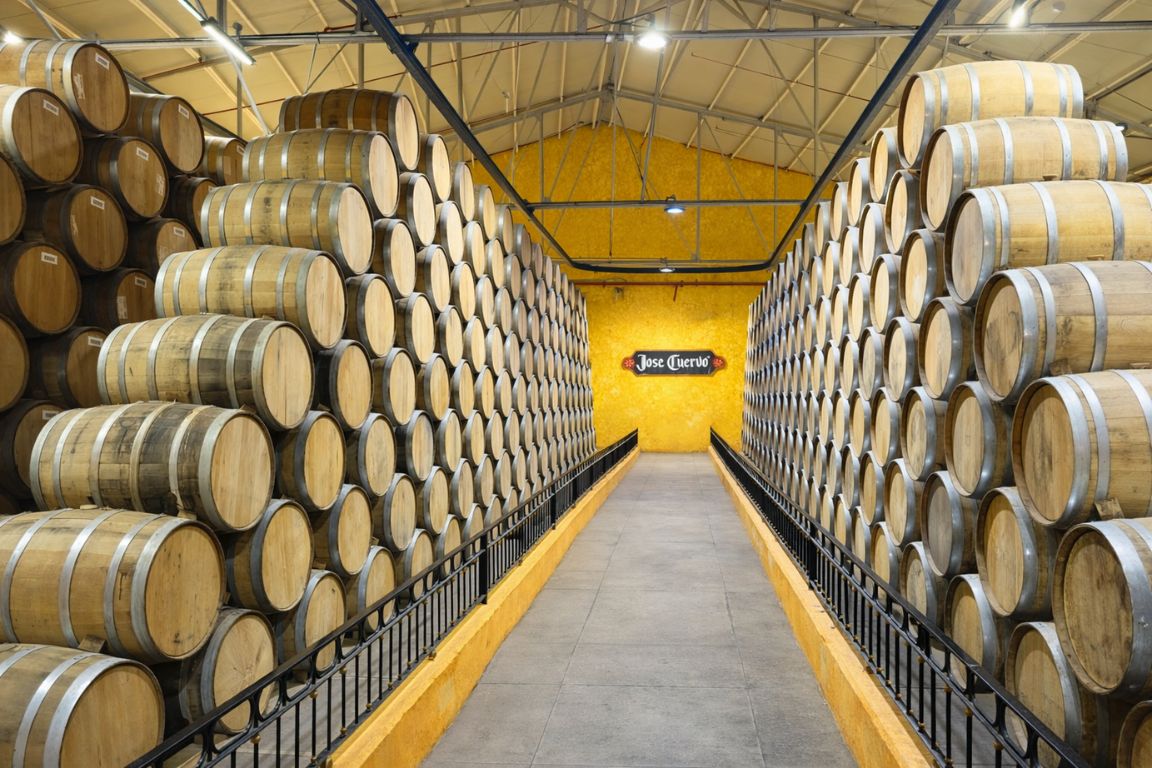
The distilleries themselves range from the enormous to the intimate. La Rojeña, the Jose Cuervo operation in the centre, is Latin America's oldest active distillery and runs museum-style tours around a courtyard with a giant crow sculpture, the crow being what cuervo means. You can read its own tour options on the Mundo Cuervo site. Casa Sauza, also in town, hides a Venetian mosaic wall and a 1830s manor. For a drink rather than a tour, Cantina La Capilla, opened in 1940, is the oldest bar in Tequila and the birthplace of the Batanga, tequila with Coca-Cola and a salted rim, stirred with a knife. Which distilleries actually deserve your limited time is the subject of our guide to the best distilleries to visit near Guadalajara.
La Rojeña alone offers a range worth knowing before you queue. A basic walkthrough runs about 45 minutes, a longer Cuervo y Campos experience adds the agave fields, snacks and a fuller tasting, and there is even a blending session where you fill your own commemorative bottle. Photography is not allowed inside the main production areas. Next door, the Juan Beckmann Gallardo Cultural Center holds carriages, charro artifacts and pre-Hispanic objects, and it earns 45 minutes on its own even if you skip a second distillery that day.
| Thing to do | What it is | Time | Note |
|---|---|---|---|
| Plaza Principal | Central square, mariachis most afternoons | 30 to 60 min | Free; street cantaritos sold here |
| Templo de la Purísima Concepción | Parish church built in 1649 | 15 to 20 min | Free |
| Museo Nacional del Tequila | Five exhibits in a 19th-century manor | About 1 hr | Modest entry fee |
| La Rojeña (Jose Cuervo) | Latin America's oldest active distillery | 1 to 3 hr | Walk-ins accepted; English tours three times daily |
| Cantina La Capilla | Oldest bar in town, home of the Batanga | 30 to 45 min | Sit at the bar and order one |
| Tequila Volcano | Half-day hike with sweeping agave views | 3 to 4 hr | No technical skill; closed-toe shoes |
| Cascada Los Azules | Waterfall and swim, a short drive out | Half day | Better in and just after the rains |
What Is The Best Town In Mexico To Visit Tequila Distilleries?
Tequila town itself, because roughly twenty distilleries sit within a fifteen-minute walk of the plaza, from the giant Jose Cuervo works to family producers still crushing agave with a stone tahona. Two neighbouring towns on the road from Guadalajara, El Arenal and Amatitán, add craft names like Cascahuín and the Herradura hacienda for anyone building a fuller route.
What separates a good distillery day from a frustrating one is knowing which places take walk-ins and which need booking. La Rojeña, Casa Sauza and, usually, El Tequileño accept walk-in visitors. Fortaleza, the small-batch producer most enthusiasts rate as the best experience in town, needs a reservation 36 to 48 hours ahead and sells out on weekends. Its full recipe, tahona crushing, brick ovens, open-air fermentation and a tasting in an underground cave, is documented on the Fortaleza site. Cascahuín, out in El Arenal, is reservation-only and wants around ten days notice. The single most useful thing to know: Fortaleza runs a free multi-distillery tour Sunday through Wednesday that also takes in El Tequileño and Arette's El Llano, and travellers who learn about it afterward are consistently annoyed they missed it. The walk-in versus reservation split below maps who each distillery suits.
| Distillery | Where | Booking | Best for |
|---|---|---|---|
| La Rojeña (Jose Cuervo) | Town centre | Walk-in, English three times daily | First-timers, scale, history |
| Casa Sauza | Town | Walk-in, bilingual Tue to Sun | Hacienda grounds, agave planting |
| Fortaleza (Los Abuelos) | Town | Reserve 36 to 48 hr ahead | Craft, tahona, cave tasting |
| El Tequileño | Town | Reservation preferred | Local flavour, overnight stays |
| Cascahuín | El Arenal, about 26 km from Guadalajara | Reservation only, about 10 days | Connoisseurs, additive-free, tahona |
| Casa Herradura | Amatitán, about 35 km from Guadalajara | Walk-in, hourly Mon to Sat | Historic hacienda, live jima |
How Do You Get From Guadalajara To Tequila Town?
Four ways, and they suit different travellers. Driving or a guided van covers the 60 km in 45 to 70 minutes. The Tequila Plus bus runs every half hour for a few dollars and takes 90 minutes to two hours. The Jose Cuervo Express train runs Saturdays only and is an event in itself rather than transport. A guided tour handles the reservations most people forget to make.
The Tequila Plus bus is the budget backbone. It leaves from the Central Vieja in downtown Guadalajara and a Zapopan terminal near Avenida Aviación, costs about MX$130 to 170 one way, and runs roughly every 30 minutes from 6:30 am to around 8 pm. It drops you in town, and almost every distillery worth visiting is within a fifteen-minute walk. Uber runs the route for about MX$800 to 1,000 each way, though not every driver accepts the long trip, so check the app before relying on it. The Jose Cuervo Express is its own category: Saturdays only, about two hours each way, an eleven-hour day with wagon tastings, a field demo and a cultural show, priced from roughly MX$3,115 to 5,775 depending on class, and it sells out weeks ahead in the November-to-May peak. Weigh it against a road tour in our comparison of the Jose Cuervo Express against a regular tour.
The reason so many first-timers hand the logistics off is that the good distilleries are the ones that need booking, the craft producers sit off the bus route, and the last bus back leaves before a relaxed third tasting is done. That coordination is why a lot of visitors book Guadalajara tequila tours rather than piecing bus times and walk-in slots together themselves. If you would rather structure it yourself, our full walk-through of how to reach Tequila from Guadalajara lays out every option, from bus timetables to the craft-producer reservations. For a group day built around La Rojeña and the town, the Jose Cuervo distillery day trip is the straightforward version.
| Mode | Time each way | Cost (one way) | Booking | Best for |
|---|---|---|---|---|
| Drive or rent a car | 45 to 70 min | Fuel plus tolls | None | Flexibility, roadside stops in El Arenal or Amatitán |
| Tequila Plus bus | 90 to 120 min | MX$130 to 170 | Walk up on weekdays | Budget, independent day |
| Uber | 45 to 70 min | About MX$800 to 1,000 | In-app, if a driver accepts | Small groups, door to door |
| Guided tour van | About 70 min | On the live listing | In advance | Reservations and field access handled |
| Jose Cuervo Express train | About 2 hr | MX$3,115 to 5,775 | Weeks ahead in peak season | An occasion, couples, first-timers |
Should You Visit Tequila As A Day Trip Or Stay Overnight?
A day trip works for most people: leave Guadalajara by nine, see two distilleries, eat in town, walk the plaza and be back by evening. Stay the night if you want the craft producers without rushing, a sunset over the fields, or the town after the day buses leave, when Tequila quietly becomes a different, calmer place.
The day-trip math is simple. A 9 am arrival gives a full, unhurried day with a comfortable bus back in the early evening, enough for two distilleries and a tasting at each, lunch near the plaza, and a walk around the square. The single constraint is the last bus, which is why an afternoon that drifts into a third tasting can leave you scrambling. An overnight removes that pressure entirely. El Tequileño is the one distillery in town where you can also sleep on the property, at the adjacent Casa Salles Hotel, and staying over lets you fit a reservation-only craft producer that a day trip struggles to reach.
Weekday versus weekend matters more than day versus overnight. Fortaleza on a Tuesday feels nothing like Fortaleza on a Saturday afternoon when the train has just added 200 people to the town. If your schedule is fixed to a weekend, an overnight lets you do the craft distilleries early on Sunday morning before the crowd builds. For travellers who want the unhurried version handled end to end, compare a group departure with a private tequila tour from Guadalajara, or look at the private VIP day in the town that moves at your own pace.
| Day trip | Overnight | |
|---|---|---|
| Time in town | 5 to 7 hours | A full evening and a second morning |
| Distilleries | Two, comfortably | Two or three, unhurried |
| Reservation-only craft producers | Tight to fit | Easy to fit |
| The plaza after dark | Missed | The best part for many visitors |
| Cost | Lower | Room plus meals |
| Best for | First visits, packed schedules | Enthusiasts, couples, slow travel |
When Is The Best Time To Visit, And How Do You Plan The Day?
November through May, the dry season, is the clear window: passable field trails, full production and comfortable days. June to September brings rain, mud and reduced production at the smaller distilleries. Whatever the month, go on a weekday and start in the morning, when the fields are being worked and the crowds have not yet arrived.
The dry-season advantage is concrete. Agave field visits cross uneven volcanic soil with no paved paths, so rain turns them to mud, and some small distilleries pause or minimise production between June and September, meaning you can walk a facility where nothing is actually being made. The tastings still run, but the part that makes the tour memorable, watching the process, may not be visible. October is a genuine wildcard: some weeks are perfect, others still wet, so check conditions close to your date.
Morning also beats afternoon for reasons beyond the heat. At 9 am the jimadores are still working the fields, the groups are smaller, and the guides are more relaxed. By mid-afternoon the field work has often wrapped for the day. Build in at least 90 minutes for the town itself so the trip is not only distilleries, and if you have a full second day, the volcano hike and Cascada Los Azules turn a tasting run into a proper visit. For the deluxe small-group version of the whole day, the deluxe agave experience through Jalisco is built around fields, distillery and free time in town.
| Months | Conditions | Verdict |
|---|---|---|
| Nov to Feb | Dry, mild, full production | Best overall |
| Mar to May | Dry, warmer, full production | Excellent |
| Jun to Sep | Rain, muddy trails, reduced production | Avoid for fields and production |
| October | Transitional, unpredictable | Check conditions first |