Mezcal Vs Tequila: The Real Difference Between Two Agave Spirits
Both are agave spirits from Mexico, and the differences that matter are the plant, the roasting pit and a set of rules. The smoke is only the start.
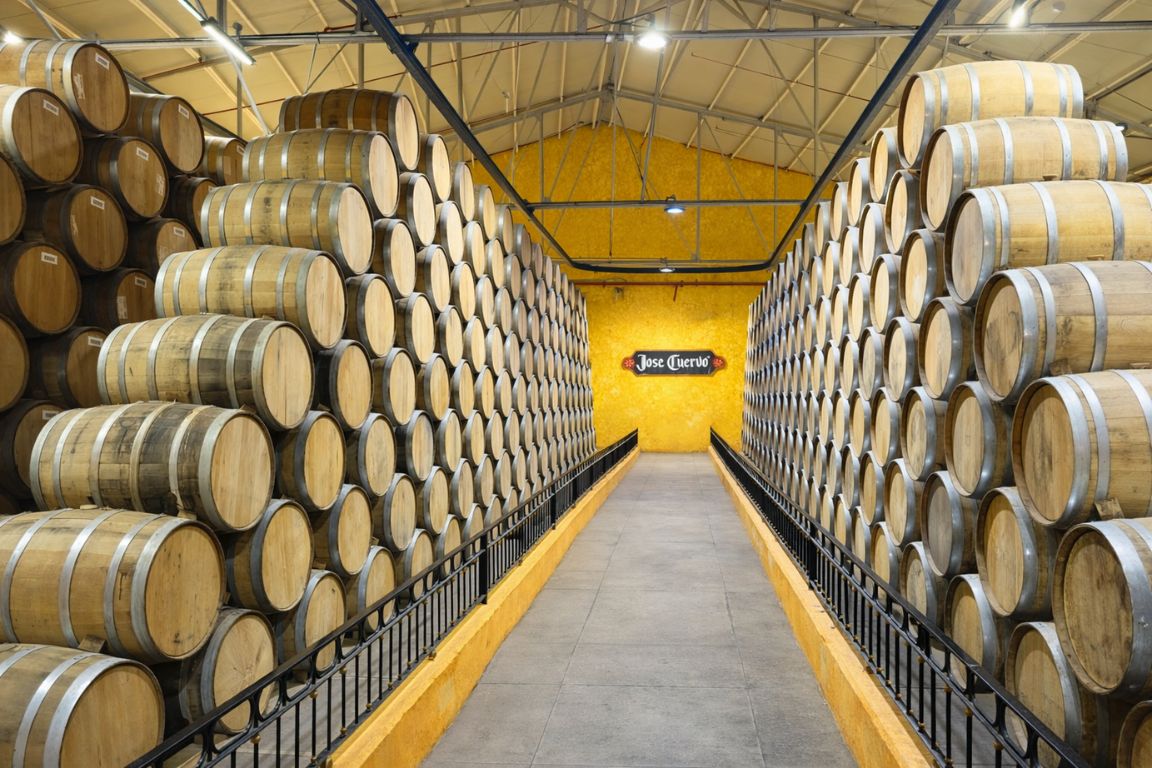
Order a mezcal in Oaxaca and a tequila in Jalisco and you are drinking two versions of the same idea, agave turned into spirit, separated by a few hundred kilometres and a couple of decisions made at the roasting pit. The most obvious of those decisions is the reason one usually tastes of smoke and the other does not.
Booking choice: Explore three agave drinks with a local host and snacks in Guadalajara’s Colonia Americana. Discover Mezcal And Agave Drinks
People treat the two as rivals, or assume mezcal is a cheaper, rougher tequila. Neither holds up. Tequila is a legally defined spirit made only from blue agave in a zone centred on Jalisco. Mezcal is the older, broader family it grew out of, made from dozens of agave species across southern Mexico. One is a branch; the other is the tree.
This guide works through the real differences: the plant, the roasting, the regions, the strength, the taste and what to actually order. It is an education piece from the team behind the tequila-country day trips we run, grounded in the rules the Consejo Regulador del Tequila publishes rather than bar-stool folklore.
One plant or many: how broad each spirit is
Species counts are commonly cited approximations, not a legal register. The tequila denomination covers five states, the mezcal denomination nine and counting. Figures are indicative planning context.
What Is The Difference Between Tequila And Mezcal?
Both are distilled agave spirits from Mexico. The difference is scope. Tequila must be made from one plant, blue agave, in a defined zone centred on Jalisco, and is usually cooked in above-ground ovens. Mezcal can be made from many agave species across several states and is often pit-roasted, which is where its smoke comes from.
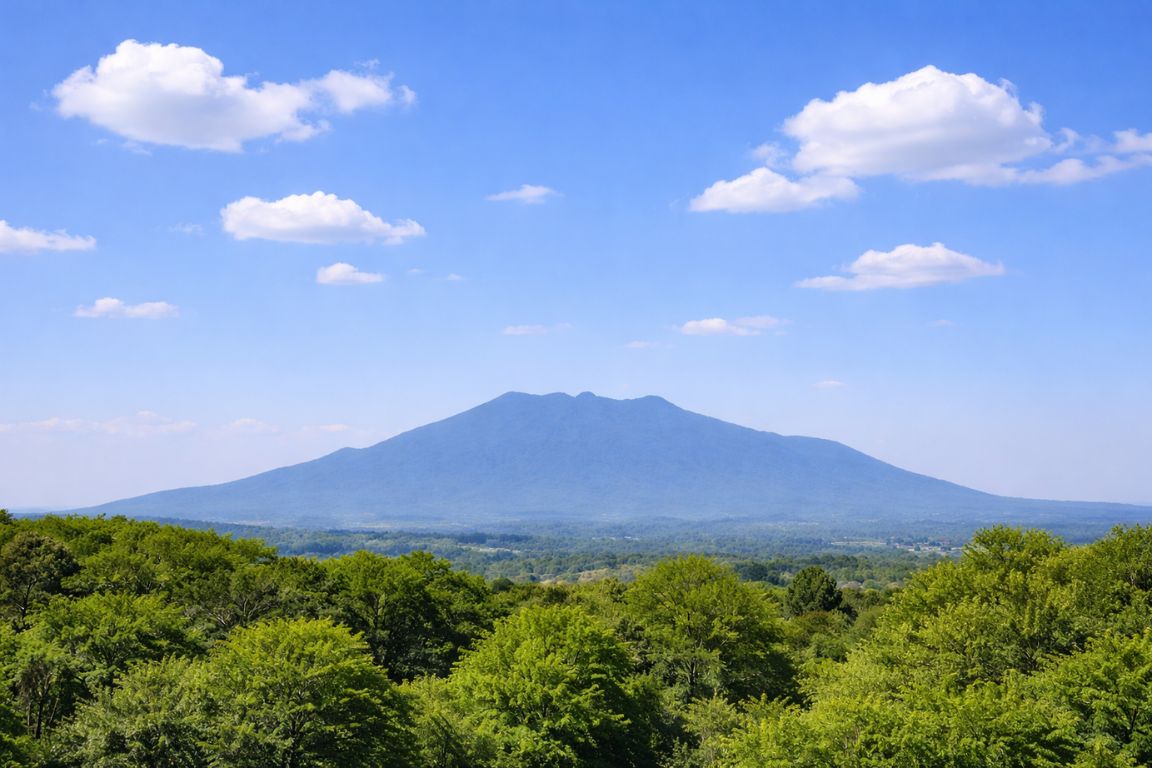
Put simply, every tequila fits the definition of an agave spirit, but only a narrow slice of agave spirits qualifies as tequila. The Consejo Regulador del Tequila enforces the blue-agave requirement and the geographic zone; a separate council does the same job for mezcal with a much wider remit. That single fact, one plant and one region against many plants and many regions, drives almost everything else you will taste in the glass. Once you have the categories straight, the natural next step is the town at the centre of the tequila zone, covered in our guide to the town of Tequila itself, and the aging styles within tequila, laid out in tequila's blanco, reposado and añejo styles.
| Attribute | Tequila | Mezcal |
|---|---|---|
| Agave | Blue agave only | Around 40 species, espadín most common |
| Main region | Jalisco plus four states | Oaxaca plus several states |
| Cooking | Brick ovens or steel autoclaves, above ground | Underground pits with hot rocks |
| Smoke | Usually none | Often smoky, though not always |
| Category | A defined type of agave spirit | The broader agave-spirit family |
| Regulator | Consejo Regulador del Tequila | Consejo Regulador del Mezcal |
Why Is Mezcal Smoky But Not Tequila?
The smoke comes from how the agave hearts are cooked. Traditional mezcal roasts them in a pit dug into the ground, lined with hot volcanic rocks and burning wood, then covered over for days. That fire and smoke soak into the agave. Tequila cooks its agave in above-ground brick ovens or steel autoclaves, so it carries little or no smoke.
Both spirits start the same way. The agave is stripped to its heart, the piña, a heavy core that can weigh 40 to 80 kilograms. Then the paths split. A mezcalero buries the piñas over wood-fired rocks, and the days underground char and smoke the fibres before fermentation ever begins. That is the earthy, ashy, sometimes minerally quality people call smoky. It is a cooking method, not an additive.
Tequila takes a gentler road. Slow-roasting in a masonry oven, the traditional horno, brings out a cooked-agave sweetness closer to baked sweet potato than to a campfire, and the modern autoclave is more neutral still. You can watch the brick-oven method at a hacienda like Casa Herradura in Amatitán. The best tequila producers still crush the roasted agave with a stone tahona wheel, a detail that changes the flavour without adding any smoke, and our guide to the distilleries that still crush with a tahona explains which ones. The narrower question of what actually makes one tequila better than another is in our piece on what separates a good tequila from a bad one.
Smoke is a dial, not a switch. A mezcalero who roasts for fewer days, or over a smaller fire, turns out a spirit where the smoke sits as a whisper behind the fruit rather than the first thing you notice. Modern mezcal even splits into official classes, from the ancestral method that distils in clay pots to the more common artisanal one, and the roast is only part of what each allows. So the blanket line that mezcal means smoke and tequila means none is a fair starting rule that falls apart the moment you taste across a few good bottles.
| Step | Tequila | Mezcal (traditional) |
|---|---|---|
| Where the agave cooks | Above-ground brick oven or autoclave | Below-ground pit |
| Heat source | Steam or indirect heat | Wood fire and hot volcanic rocks |
| Roughly how long | About 1 to 3 days | Several days, buried |
| Result in the glass | Cooked-agave sweetness, little smoke | Earthy smoke, ash and minerality |
Is Mezcal Just Cheap Tequila?
No, and the assumption runs backwards. Mezcal is the older category; tequila began as one regional style of mezcal and then set its own rules and its own name. Today much mezcal is small-batch and hand-made, and it is often priced above mainstream tequila, not below it. The budget-substitute idea is a leftover from decades when mezcal was made only for local drinking.
For much of the 20th century mezcal was the rural, unbranded spirit sold in villages while tequila industrialised, built export brands and became Mexico's global calling card. That history is what planted the cheap-and-rough reputation. It no longer describes the shelf. A hand-roasted, wild-agave mezcal produced in tiny batches by one family can cost more than a premium tequila, because the labour and the scarce agave sit behind every bottle. Price tracks how something is made and how rare the plant is, not which of the two words is on the label.
There is also a technical point that trips people up. In the old, broad sense tequila is itself a kind of mezcal, an agave spirit from a particular place, which is why calling mezcal a knock-off of tequila gets the family tree exactly upside down. If you want to taste why the good stuff earns its price, start with our tequila tasting guide for beginners, then judge a few bottles for yourself.
| The claim | The reality |
|---|---|
| Mezcal is cheap tequila | Mezcal is the older, broader category; tequila is one branch of it |
| All mezcal is smoky | Smoke depends on the pit roast; some mezcal is barely smoky at all |
| Tequila is always smoother | Style, agave and proof decide smoothness, not the label |
| Only Oaxaca makes mezcal | Nine or more states hold the mezcal denomination of origin |
| Tequila is not a mezcal | Historically tequila was a regional mezcal before it split off |
Is Mezcal Stronger Than Tequila?
Not by definition, but often in practice. Both are distilled spirits in a similar alcohol range. Tequila is usually bottled around 38 to 40 percent, while traditional mezcal is frequently bottled higher, around 45 to 48 percent, because many producers believe the higher proof shows the agave better. So a given mezcal is often stronger, though the two categories overlap.
The legal ranges nearly match. Both spirits run from roughly 35 or 36 percent at the low end up to about 55 percent at the top, so neither is inherently the stronger drink. What differs is habit. Big tequila brands almost all land at 40 percent, tuned for a wide market and for mixing. Artisanal mezcaleros tend to bottle nearer still strength, and a mezcal at 48 percent will feel hotter and read as stronger than a 40 percent tequila even though both are legal agave spirits.
Proof interacts with aging as well. An unaged blanco or a young joven mezcal shows the raw distillate at whatever strength the producer chose, while barrel time rounds off the perception of heat even when the number on the label does not move. That is why a 45 percent reposado can drink softer than a 40 percent blanco. Trusting your palate over the category, and over the proof alone, is the habit worth building.
The practical lesson is to read the label, not the category. A high-proof tequila exists, and a soft, low-proof mezcal exists. Proof also shapes how you should drink it, which is the whole point of a slow, structured tasting rather than a shot. The aging that changes flavour and softens the burn is the subject of the styles table further down this page.
| Spirit | Typical bottling | Legal range | Note |
|---|---|---|---|
| Tequila | 38 to 40% ABV | About 35 to 55% | Most large brands sit at 40% |
| Mezcal | 45 to 48% ABV | About 36 to 55% | Higher proof is common, not required |
What Agave And Which Regions Can Each Come From?
Tequila comes from a single plant, blue agave, grown in Jalisco and parts of four neighbouring states. Mezcal can be made from many agave species, wild and cultivated, across nine or more states, with Oaxaca as its heartland. That breadth is the deepest structural difference between them, and it drives most of what you taste.
Blue agave, Agave tequilana, takes six to eight years to mature, and its dominance is why the fields around Tequila town look combed to the horizon, a monoculture striking enough to earn UNESCO listing. Mezcal draws on a far wider palette: espadín is the workhorse, but tobalá, tepeztate, madrecuixe and other wild and semi-wild agaves each bring their own character, and some take well over a decade to mature. Many mezcals are single-agave expressions the way a wine can be a single grape.
Geography is protected on both sides. The tequila denomination covers five states with Jalisco at the centre; the mezcal denomination has grown to nine states and counting, anchored in Oaxaca. You can see the tequila side of that landscape up close in our guide to the blue agave fields around Tequila, and the UNESCO citation for the Jalisco fields is worth reading on the World Heritage listing itself.
Maturation is part of why the two taste so different. Blue agave is harvested young enough to keep a clean, vegetal sweetness, and it is bred for consistency across huge plantings. Many wild mezcal agaves are left far longer, some for a decade or more, concentrating the sugars and character that come through as the complexity mezcal drinkers chase. Harvesting a wild agave also ends that plant rather than a managed field row, which is one more reason a single-agave mezcal can cost what it does.
| Tequila | Mezcal | |
|---|---|---|
| Agave | Blue agave, one species | Around 40 species, espadín most common |
| Heartland | Jalisco | Oaxaca |
| States in the denomination | 5 | 9 or more |
| Wild agave used | No | Yes, several |
| Signature landscape | UNESCO agave landscape of Jalisco | Varies by state |
Which Should You Drink, And How?
Start with what you like. If you want bright, citrusy, agave-forward flavour, a blanco tequila or a lightly smoked espadín mezcal is the entry point. Sip both neat, at room temperature, in a small glass, with no lime and no salt. Save the salt and lime for a poor bottle someone is trying to hide behind them.
Proper agave tasting is closer to wine than to a college shot ritual. Come with a clean palate, skip the perfume or cologne that ruins a tasting for everyone in the room, and take small sips. Tequila tends toward cooked agave, citrus, pepper and, once aged, vanilla and caramel from the oak. Mezcal leads with smoke and earth, then opens into fruit, herbs and minerals depending on the agave. For cocktails, a blanco tequila carries a classic margarita, while a smoky espadín does striking things in a negroni or a paloma.
Order matters at a tasting. Work from the lightest and youngest toward the oldest and most intense, blanco before reposado before añejo, and taste the smokier mezcals last so they do not flatten everything after them. A splash of water, or a few minutes of air in the glass, opens either spirit, softening the alcohol and letting the agave show. None of this needs special equipment, only a small glass and a little patience.
The fastest way to actually learn the difference is side by side with someone pouring both and explaining what you are tasting, which is what the tasting-led Guadalajara tequila tours we run are built around. In the city itself, a guided artisanal tasting session or a tequila and food pairing both teach the palate quickly, and a private tasting with a local expert goes deeper for anyone who wants the production detail.
| You want | Reach for | Why |
|---|---|---|
| A bright, clean sipper | Blanco tequila | Unaged, pure cooked-agave flavour |
| Smoke and earth | Espadín mezcal | Pit roasting supplies the smoke |
| A smooth, oaky pour | Reposado or añejo tequila | Barrel time softens and sweetens it |
| A classic margarita | Blanco tequila | Citrus and agave carry the cocktail |
| Something to nurse neat | Either, at higher proof | Proof and complexity reward slow sipping |
| Tequila style | Aging | Character |
|---|---|---|
| Blanco | None, or up to about 2 months | Bright, peppery, pure agave |
| Reposado | 2 to 12 months in oak | Softer, light vanilla and spice |
| Añejo | 1 to 3 years in oak | Darker, oaky, caramel and dried fruit |
Do Mexicans Drink Tequila Or Mezcal?
Both, and the split is regional. Tequila is the national and global name, poured everywhere and central to Jalisco's identity. Mezcal has deep roots in Oaxaca and the south, long drunk at weddings and funerals alike, and it has surged in the last decade. There is even a saying for it: para todo mal, mezcal; para todo bien, también.
That dicho, mezcal for everything bad and, for everything good, also mezcal, captures how the southern states treat the spirit as an everyday companion rather than a party shot. In Jalisco, tequila plays the same role, woven through mariachi, charrería and the agave fields that define the landscape. Neither drink is a tourist novelty at home. Both are sipped slowly, often neat, and among people who care about them the lime-and-salt routine is treated as a way to mask a cheap pour rather than to enjoy a good one.
Mezcal's recent rise is real but it has not dethroned tequila; it has widened the conversation. The two now sit side by side on serious agave menus, which is exactly how a good tasting presents them. To see where tequila's half of that story is made, our guide to the town of Tequila covers the distilleries, the museum and the fields in one place.
Is Tequila Or Mezcal Healthier?
Neither tequila nor mezcal offers a health benefit that justifies drinking it. Alcohol carries health risks, and agave percentage or production method does not make a drink harmless. Choose flavour if you drink, rather than supposed health advantages.
One real distinction is worth flagging, and it is about the label rather than health. A bottle marked 100 percent agave is exactly that, while a cheaper mixto tequila can be stretched with other sugars, and the rough morning people blame on tequila usually traces to those mixtos and to volume rather than to the spirit itself. The same logic holds for mezcal. Buy the full-agave bottle, drink less of it, and the tequila-versus-mezcal argument stops mattering to how you feel the next day.
Neither spirit offers a health advantage that justifies drinking it. Do not choose an alcohol experience for a health benefit.