Tequila Tasting For Beginners: How To Taste It Properly
Salt, lime and a wince is how you survive cheap tequila, not how you taste good tequila. Here is the glass, the method and the etiquette that turn a burning shot into a drink with real flavour.
The salt, the lime, the wince, the slam on the bar. That ritual is not how tequila is tasted in Jalisco, and it exists mostly to get a bad spirit past your tongue as fast as possible. Good tequila is treated like a good whisky or a good wine: a small pour, a wide glass, a slow nose and an even slower sip. Once you taste it that way, the drink most people think they dislike turns into one of the most expressive spirits there is.
Booking choice: Learn aroma, body and finish with a host; fruit, cheese, chocolate and water are included. Taste Tequila With Paired Bites
None of this needs special equipment or a trained palate. It needs a decent 100% agave bottle, the right glass, and a method you can follow in five minutes. The palate is a skill that builds fast, so the second tasting is always sharper than the first, and by the third you start naming notes you could not place before. This guide walks through that method, the glass that matters, why sipping beats shooting, what sangrita is for, and how a guided tasting on the tequila route runs the whole thing for you with someone pointing out what you are smelling.
A tasting pour versus a shot
Typical bar measures, shown as a planning guide; a tasting pour is deliberately small so you can sip several styles without the volume of a single shot.
How Do You Taste Tequila Properly?
Pour a small measure into a wide-rimmed glass, hold it to the light to read the colour, then nose it gently with your mouth slightly open. Take a small sip and let it coat your whole mouth before swallowing, then breathe out through your nose. Notice the finish. Sip, do not shoot, and give each pour a minute. That is the entire method, and it works on any tequila worth drinking.
Break it into look, smell, sip and finish. Colour tells you roughly how long it aged, from clear blanco to amber añejo. The nose carries most of the flavour, so spend real time there: cooked agave first, then pepper, citrus, vanilla or caramel depending on the style. The first sip is a primer, the second is where you actually taste, and the finish, what lingers after you swallow, is where quality shows. A cheap tequila vanishes or burns. A good one keeps giving.
The single biggest upgrade is slowing down. Most beginners rush the nose and swallow too fast, so they taste heat and nothing else. Let the spirit warm slightly in the glass, keep your first nose light, and treat the whole thing as three or four minutes of attention rather than a shot. The categories you are working across are laid out in the categories of tequila explained, which pairs neatly with the steps below.
| Step | What to do | What you are checking |
|---|---|---|
| Look | Hold the glass to the light, tilt it | Colour and rough age, clear to amber, and how the liquid clings |
| Smell | Nose it gently, mouth slightly open | Cooked agave, pepper, citrus, vanilla, oak |
| Sip | Small sip, coat the whole mouth | Sweetness, spice, body, where the flavour sits |
| Finish | Swallow, breathe out through the nose | How long the flavour lasts, heat versus smoothness |
What Glass Should You Use For Tequila?
Use a small wide-rimmed glass, not the tall narrow shot glass. A copita, the little tulip-shaped tasting glass, or a wine-style glass such as the official tequila glass, gathers the aroma so you can actually smell the spirit. The caballito, the classic tall shot glass, is built for throwing tequila back and hides everything you would want to taste.
The shape does real work. A bowl that is wider than its rim concentrates the aromatics at the top where your nose meets them, which is why a copita or a small tulip beats a straight-sided tumbler. The caballito, meaning little horse, is the tall narrow glass every cantina uses for shots, and it is the wrong tool for tasting: too narrow to nose, and shaped to encourage speed. A snifter works well for aged styles because it traps even more aroma.
You do not need to buy anything special to start. A small wine glass at home does the job, and the distilleries on the route hand you a proper copita as part of the visit. If you are choosing a glass to own, a copita covers blanco and reposado, and a snifter suits añejo and extra añejo. The guided tastings we send people to, including a private tasting with a local expert, set the right glass in front of you before the first pour.
| Glass | Shape | Best for | Verdict |
|---|---|---|---|
| Copita | Small tulip, narrow rim | Blanco, reposado, general tasting | The everyday tasting glass, hard to beat |
| Official tequila glass | Long-stemmed, wine style | Nosing any style closely | Excellent, gathers aroma at the rim |
| Snifter | Round bowl, tapered top | Añejo and extra añejo | Traps aroma, ideal for aged pours |
| Caballito (shot glass) | Tall, narrow, straight | Shooting, salt and lime | Wrong for tasting, hides the spirit |
Are You Supposed To Sip Or Shoot Tequila?
Sip it. Any tequila worth the money is made to be tasted slowly, and shooting throws away everything you paid for: the agave, the aroma, the finish. Shooting with salt and lime is a technique for surviving cheap mixto tequila, not for enjoying the good stuff. In Jalisco, a 100% agave pour is sipped neat, often alongside sangrita.
The salt-and-lime routine has a purpose, and knowing it makes the point clear. Salt numbs the tongue, lime blasts it with acid, and the shot goes down before your palate can object. That is damage control for a rough spirit. Apply it to a good reposado and you have paid for a subtle drink only to erase it. The locals who make tequila almost never shoot it, which tells you most of what you need to know.
Sipping also changes the social pace, in a good way. A shot is over in a second. A sipped pour lasts a conversation, which is how tequila is actually drunk on its home ground. If the burn is what puts you off shooting, sipping fixes that too, because a small measure warmed in a wide glass is far gentler than a cold slug in a shot glass. How much you end up drinking across a full day out is covered in how much you actually drink on a tour.
| Situation | Sip or shoot | Why |
|---|---|---|
| 100% agave blanco, reposado, añejo | Sip | The flavour and finish are the whole point |
| A tasting or distillery flight | Sip | You are there to taste, and the order builds on purpose |
| Cheap mixto in a bar well | Shoot, if you must | Salt and lime exist to get it past your tongue |
| A celebration toast | Either | A quick pour is fine socially, just not with a bottle you respect |
What Is Sangrita, And How Do You Use It?
Sangrita is a bright non-alcoholic chaser served alongside sipping tequila, not mixed into it. The traditional Jalisco version is citrus-based, orange and lime with a little chilli and sometimes tomato, and it is sipped between mouthfuls of tequila to refresh the palate. It replaces salt and lime with something you actually taste, and it makes a good blanco or reposado sing.
The name means "little blood," from the reddish colour. The older, purer Jalisco style leans on citrus juices and chilli rather than tomato, so it is tart and spicy rather than the thick tomato mix sold abroad. You keep it in a separate small glass, sip the tequila, then sip the sangrita, and the contrast resets your mouth between pours. It is the opposite of shooting: a way to slow down and taste more, not less.
A related regional serve is the bandera, meaning flag, three small glasses lined up to mirror the Mexican flag: lime juice (green), blanco tequila (white) and sangrita (red). You work across them. It is a fun way to taste and a common welcome on a tour. Both sangrita and the citrus serves lead naturally into food, which is the subject of pairing each style with food.
| Accompaniment | What it is | How to use it |
|---|---|---|
| Sangrita (Jalisco style) | Citrus, chilli, sometimes tomato, no alcohol | Sip between mouthfuls of tequila to refresh the palate |
| Bandera | Lime, blanco tequila and sangrita in three glasses | Alternate across the three, a classic welcome serve |
| Plain citrus | A wedge of lime or orange | A light refresher, milder than salt and lime |
| Salt and lime | The shot ritual | Skip it with good tequila, it masks the flavour |
What Should You Notice Across Blanco, Reposado And Añejo?
Taste them youngest to oldest and track how the agave fades and the oak grows. Blanco is all bright agave, pepper and citrus. Reposado keeps the agave but adds vanilla and light spice from a few months in wood. Añejo turns soft and round, with caramel, dried fruit and a long finish, the raw agave now sitting in the background. The journey across the three is the lesson.
Work one thread at a time. On the nose, notice how the sharp green agave of the blanco gives way to vanilla and baking spice in the reposado, then to caramel and toffee in the añejo. On the palate, feel the body thicken: blanco is lean and lively, añejo is broad and smooth. On the finish, the blanco snaps clean, the reposado lingers a little, and the añejo trails off slowly. None is better, they are a spectrum, and tasting them together is the fastest way to find your own preference.
Keep a sip of water and a plain cracker or a bit of bread nearby to reset between styles, and taste no more than four or five pours in a sitting before your palate tires. A useful trick is to go back to the blanco at the end, after the añejo, and see how differently it reads once your mouth has met the oak. If you find you love the bright end, you are a blanco drinker, and no amount of expensive añejo will change that, which is worth knowing before you spend. Preference here is personal, not a matter of getting it right, so trust your own palate over any ranking. What separates a genuinely good bottle from a rough one, across every style, is covered in what separates a good tequila from a harsh one.
| Style | Nose | Palate | Finish |
|---|---|---|---|
| Blanco | Fresh cooked agave, pepper, citrus, herbs | Lean, bright, lively | Clean and short |
| Reposado | Agave with vanilla and light spice | Rounder, a little softer | Medium, gently warming |
| Añejo | Caramel, oak, dried fruit | Broad, smooth, sweet-edged | Long and slow |
What Mistakes Do Beginners Make When Tasting Tequila?
The common ones are shooting instead of sipping, using a shot glass that hides the aroma, nosing too hard and getting a face full of alcohol, drinking aged tequila too cold, and tasting too many pours too fast. Each one is easy to fix, and fixing them turns a burning shot into a drink with real flavour. Most bad tequila experiences are technique, not the spirit.
Nosing is the sneaky one. If you stick your nose deep into the glass and inhale hard, the alcohol vapour stings and you smell nothing else. The fix is to keep the glass a little below your nose, open your mouth slightly, and breathe gently. Temperature is the other trap: people chill aged tequila like a shot, which mutes it, when añejo wants to be at room temperature so the aroma opens up. Palate fatigue is real too, so stop at four or five pours.
The last mistake is judging tequila by one bad memory. Almost everyone who says they hate the spirit was served cheap mixto as a cold shot with salt and lime, often years ago at a party they would rather forget. That is not tequila showing its true self, it is the cheapest possible version served the worst possible way. A single well-run tasting of 100% agave, poured properly into the right glass, usually reverses the opinion on the spot, and the people most surprised are the ones who arrived certain they disliked it. That reliable turnaround is why the guided sessions are such an easy recommendation.
| Mistake | What happens | The fix |
|---|---|---|
| Shooting good tequila | You taste heat, not flavour | Sip a small measure slowly |
| Using a caballito shot glass | The aroma escapes, you smell nothing | Use a copita or small wine glass |
| Nosing too hard | Alcohol vapour stings the nose | Nose gently, mouth slightly open |
| Aged tequila served cold | The oak and caramel go flat | Serve añejo at room temperature |
| Too many pours at once | Palate fatigue, everything blurs | Stop at four or five, sip water between |
How Much Should You Pour, And How Many Can You Taste In A Sitting?
Pour small for tasting, roughly 15 millilitres, about a third of a bar shot. A small measure lets you work through three or four styles without the volume adding up, and four or five pours is the sensible limit before your palate tires. Sip water and eat something plain between pours to reset.
The reason for the small pour is arithmetic as much as taste. A guided flight of blanco, reposado and añejo at a standard shot each is the alcohol of a serious night out, and it wrecks your ability to taste long before you reach the interesting bottles. Distilleries pour tasting measures precisely so you can compare styles clearly and still walk out steady. That is also why a tour that spaces the pours across a day, with a real lunch in the middle, is easier on you than a bar crawl. The small pour is not stinginess, it is what lets you taste four or five things well instead of one thing badly, and it is the reason a proper tasting leaves you clear-headed rather than wrecked.
Palate fatigue is a real ceiling, not a suggestion. After four or five pours the differences flatten, the alcohol dulls your nose, and a great añejo tastes like the mediocre one before it. Water and a neutral bite, plain bread or a cracker, reset you partway, but the honest fix is to stop while you can still taste. How much a full day out actually adds up to is spelled out in how much you actually drink on a tour, and it is less than most people fear.
| Pours in a sitting | What to expect | What to do |
|---|---|---|
| 1 to 2 | Fresh palate, clear differences | Take your time, this is the sweet spot |
| 3 to 4 | Still tasting well, oak starting to build | Sip water, eat a plain bite between pours |
| 5 or more | Palate tiring, flavours blurring | Stop, or switch to food and slow right down |
What Is Tasting Etiquette At A Distillery?
Show up on time, pace yourself, eat something first, and treat the pours as tastes rather than drinks. Ask questions, the guides want them, but do not hog the flight. Tip if the tasting was hosted well, use the spittoon or dump bucket if you need to, and never drive after a tasting day. Book aged and reservation-only distilleries ahead. The etiquette is mostly common courtesy plus a few local specifics.
A few practical points save the day. Eat a real breakfast, because the flights add up and the better tours build in a proper lunch. It is completely acceptable to pour a sample away after tasting rather than finishing every pour, especially across a multi-distillery day. Take notes or photos of the bottles you liked so you can find them in the shop later. And go easy on strong perfume or aftershave, which drowns the aromas for you and everyone near you.
The logistics side matters as much as the manners. Some of the best distilleries take walk-ins, while the most sought-after ones are reservation-only and sell out well ahead, so the drive and the bookings are easier handled by a tour than solo. What a full day looks like start to finish is covered in what a tasting day actually involves, and the trade-offs of going with a guide are weighed in private tequila tours.
How Does A Guided Tasting On A Tour Actually Work?
A guide sets you up with the right glass, pours a flight youngest to oldest, and talks you through what to smell and taste in each. Sessions run from a short 90-minute tasting in the city to a full day of distillery visits with lunch. You taste more, and better, than you would working a bar alone.
The value is the sequence and the explanation. Left alone at a bar, you would sip good tequila in the wrong order and miss half of it. A host builds the flight so each pour teaches the next, names what you are struggling to place, and answers the question you did not know to ask. A short in-city option such as a small-group tasting session pours four premium tequilas with paired bites in about 90 minutes, which is the gentlest possible introduction.
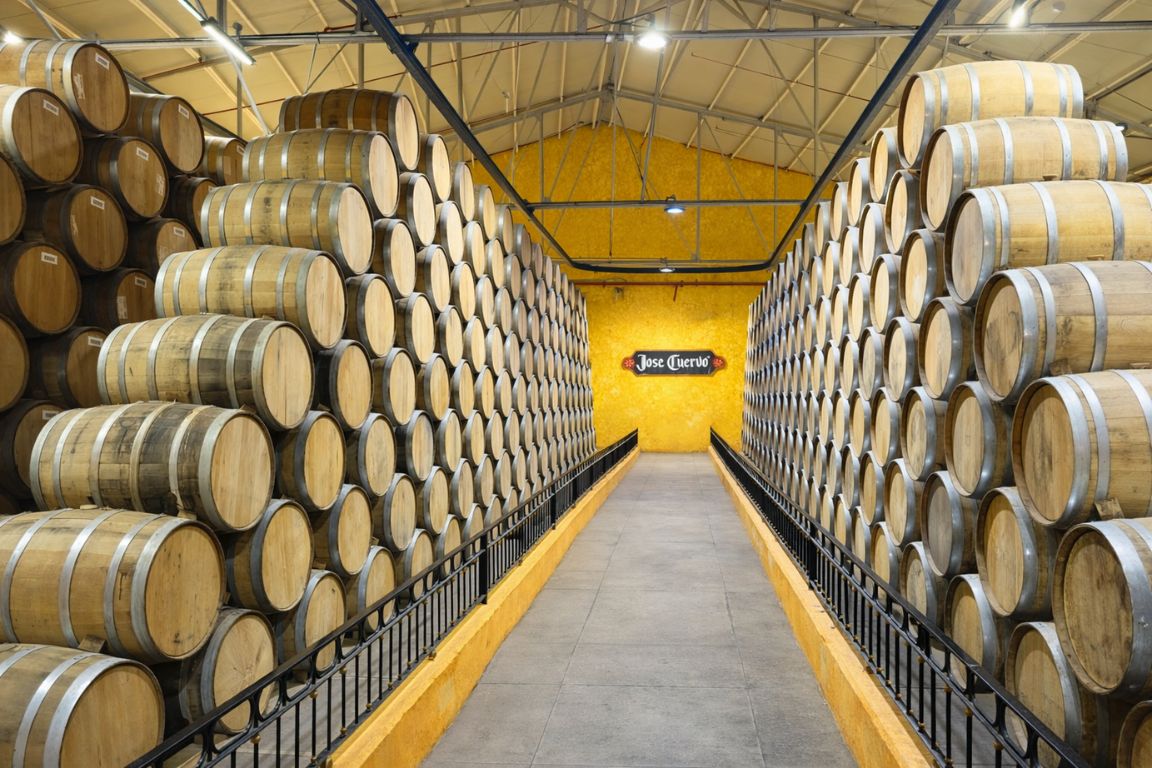
A full distillery day goes further: you see the agave, the ovens and the stills, then taste at the source where the spirit is freshest, sometimes straight from the barrel. Houses like additive-free Tequila Fortaleza and the historic Mundo Cuervo at La Rojeña both run visitor tastings built exactly this way, walking you from the field to the glass. That is a different depth of tasting from anything a shop can offer, and it is the core of the tequila tours we run from Guadalajara. Whichever length you pick, the tasting method above still applies, and knowing it in advance means you get more from the pours. The guide does the pouring and the driving, so you spend the day on what is in the glass rather than the road home.
| Stage | What happens | Rough time |
|---|---|---|
| Welcome | The right glass, an intro to the region, sometimes a bandera | 10 to 15 minutes |
| The process | Agave, ovens and stills on a distillery day | 30 to 60 minutes |
| The flight | Blanco, reposado, añejo poured youngest to oldest, guided | 30 to 45 minutes |
| Food and sangrita | Bites or a full lunch to pair and pace the pours | Varies by tour |