What Makes A Good Tequila?
Two bottles can both say tequila on the front and be almost nothing alike. The difference is printed in small type on the back.
Two bottles can both say tequila on the front and be almost nothing alike. The difference is printed in small type on the back, and once you can read it, the marketing on the front stops deciding anything.
Booking choice: Learn aroma, body and finish with a host; fruit, cheese, chocolate and water are included. Taste Tequila With Paired Bites
What Actually Makes A Tequila Good?
A good tequila starts with three things: 100% blue agave, no additives, and honest production, meaning agave cooked slowly, fermented naturally and distilled to keep flavor rather than strip it. The bottle, the age statement and the price are all secondary to those three. Everything else is packaging around that core, and a great deal of shelf space is packaging.
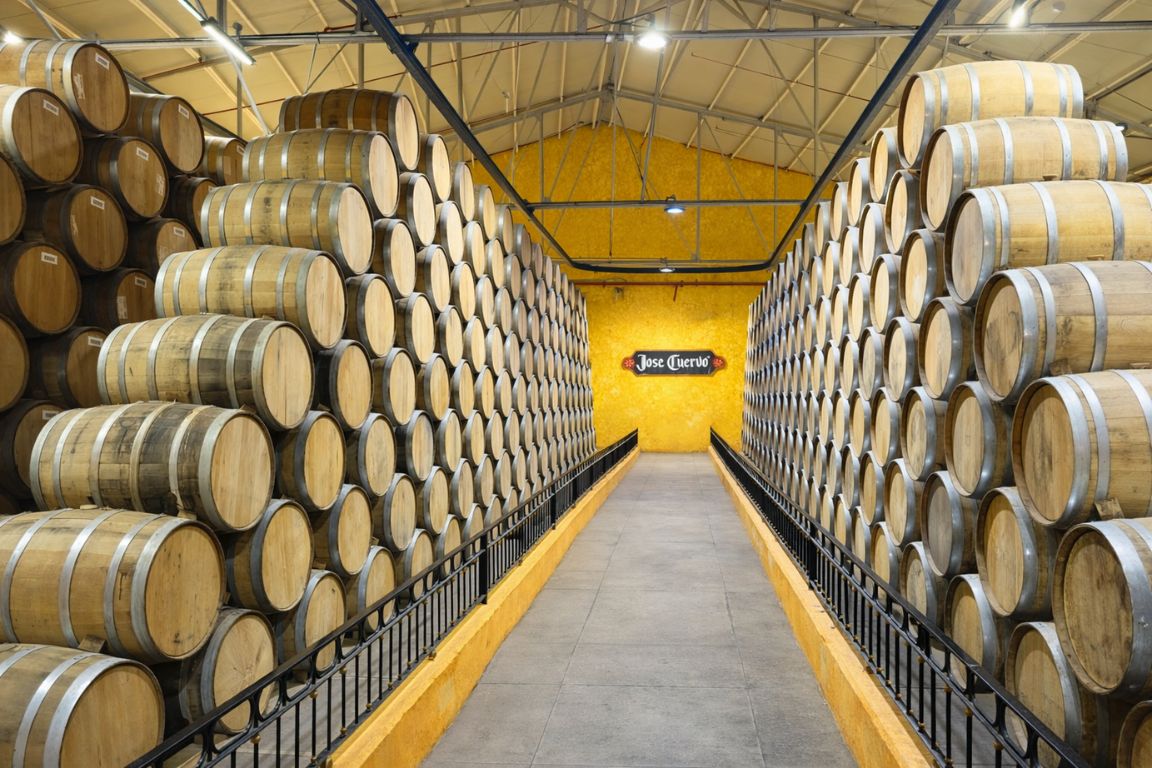
The first split is agave content. A bottle marked 100% agave is made entirely from blue Weber agave. A bottle that just says tequila is a mixto, legally allowed to draw up to 49% of its sugars from cane or corn, and it usually does. The Consejo Regulador del Tequila, the body that certifies the category, is the reason that phrase means what it says. If you learn one label habit, make it that one.
What Does 100% Agave Mean On The Label?
It means every fermentable sugar in the bottle came from blue agave, with nothing else added to the ferment. A plain tequila, or mixto, can legally replace up to 49% of those sugars with other sources, almost always cane. That single phrase is the fastest quality filter on any shelf.
Additive-free is the next layer, and it is a separate question. The rules permit small amounts of caramel color, oak extract, glycerin and syrup, up to a threshold, without any disclosure on the label. Plenty of big brands use them to fake a rounder, sweeter, more expensive-tasting spirit. Producers who leave them out tend to say so, and the honest ones have nothing to hide.
What Is A NOM Number, And Why Does It Matter?
The NOM is a four-digit code on the back label that identifies the exact distillery that made the tequila under the official Mexican standard. Several brands can share one NOM because they roll off the same production line. Looking it up tells you who really made the bottle in your hand.
NOM stands for Norma Oficial Mexicana, and the number is certified by the regulator, not chosen by marketing. It also anchors the denomination of origin: real tequila can only be made in Jalisco and defined municipalities in four neighboring states, the same agave-and-volcano country the UNESCO agave landscape listing protects. A label with no NOM, or one that buries it, is telling you something by omission.
How Is Good Tequila Actually Made?
The honest methods are slow and expensive: agave roasted in brick ovens rather than shredded and steamed through an industrial diffuser, crushed by tahona stone or roller mill, fermented with natural yeast, then distilled in copper pots. Those choices cost time and yield, which is exactly why they show up in the price.
The shortcut version runs the other way. A diffuser strips sugar from raw or barely-cooked agave with pressure and chemicals, fast fermentation is forced with commercial yeast, and column distillation scrubs the result to a neutral base. It is efficient, and it tastes like it. If you want to see the slow method in person, Fortaleza and Cascahuín are the reference points in Jalisco, and our roundup of the craft distilleries worth touring explains which ones still work this way. The styles those methods produce, and how they differ in the glass, sit in our guide to blanco, reposado and añejo.
Does Older Or More Expensive Mean Better?
Not automatically. Time in oak turns blanco into reposado and then añejo, and done well it layers in vanilla, spice and dried fruit. Done to hide a rough spirit, or pushed too long, it just buries the agave under wood. A clean, well-made blanco beats a mediocre añejo every time.
This is where price and quality stop tracking each other. An expensive extra-añejo dosed with additives is a worse drink than an honest, cheaper blanco, and the label rarely lets you tell them apart at a glance. The most reliable way to build your own judgment is to taste the categories side by side, which a structured beginner tasting method makes far easier than sipping at random. Tequila and its smoky cousin come up constantly here too, and we cover how mezcal differs from tequila separately.
How Do You Read A Tequila Label In Ten Seconds?
Check four things and you have most of the story: the words 100% agave, a NOM number, some sign the producer skips additives, and an age category that matches how you plan to drink it. If the front of the bottle is loud and the back is silent, put it back.
| What to check | Good sign | Walk away if |
|---|---|---|
| Agave content | Says 100% agave | Just says tequila, a mixto up to 49% other sugars |
| NOM number | Present, four digits, easy to find | Missing or hard to locate |
| Additives | Additive-free, or a craft producer you trust | Vague smoothness claims, no producer named |
| Category | Blanco, reposado or añejo to suit your use | Age is the only thing justifying the price |
None of this needs an expert palate. It needs a habit of turning the bottle over. The easiest place to build that habit is a guided cellar tasting, where someone pours several expressions and explains what you are smelling. Our artisanal tasting session, around $60 on the live listing, is built for exactly that, and a private visit to the Fortaleza distillery shows the additive-free, tahona-crushed method end to end.