What Is The #1 Tequila In Mexico? (2026)
Ask five people in Jalisco which tequila is number one and you get five answers, because the question hides two different ones.
Ask five people in Jalisco which tequila is number one and you get five answers, because the question hides two different ones. There is the bottle that sells the most, and there is the bottle people who care actually respect. They are rarely the same.
Booking choice: Learn aroma, body and finish with a host; fruit, cheese, chocolate and water are included. Taste Tequila With Paired Bites
What Is The #1 Tequila In Mexico?
There is no single official number one, and any list that claims otherwise is selling something. By sales volume the biggest name is Jose Cuervo. Among enthusiasts, the most respected bottles come from small traditional houses like Fortaleza, Cascahuín and El Tequileno. Best depends entirely on whether you mean most-sold or most-admired.
Once you separate those two ideas, the argument mostly dissolves. A brand can dominate supermarket shelves and still be a mixing tequila rather than a sipping one, and a tiny producer can be revered without most people ever seeing the bottle. Both facts can be true at once, and usually are.
| Most-sold | Most-respected | |
|---|---|---|
| Names you will hear | Jose Cuervo, Sauza | Fortaleza, Cascahuín, El Tequileño |
| What you pay for | Availability, consistency, mixability | Traditional method, additive-free, small batches |
| Where you find it | Almost any supermarket | The distillery and specialist shops in Jalisco |
What Is The Best-selling Tequila In Mexico?
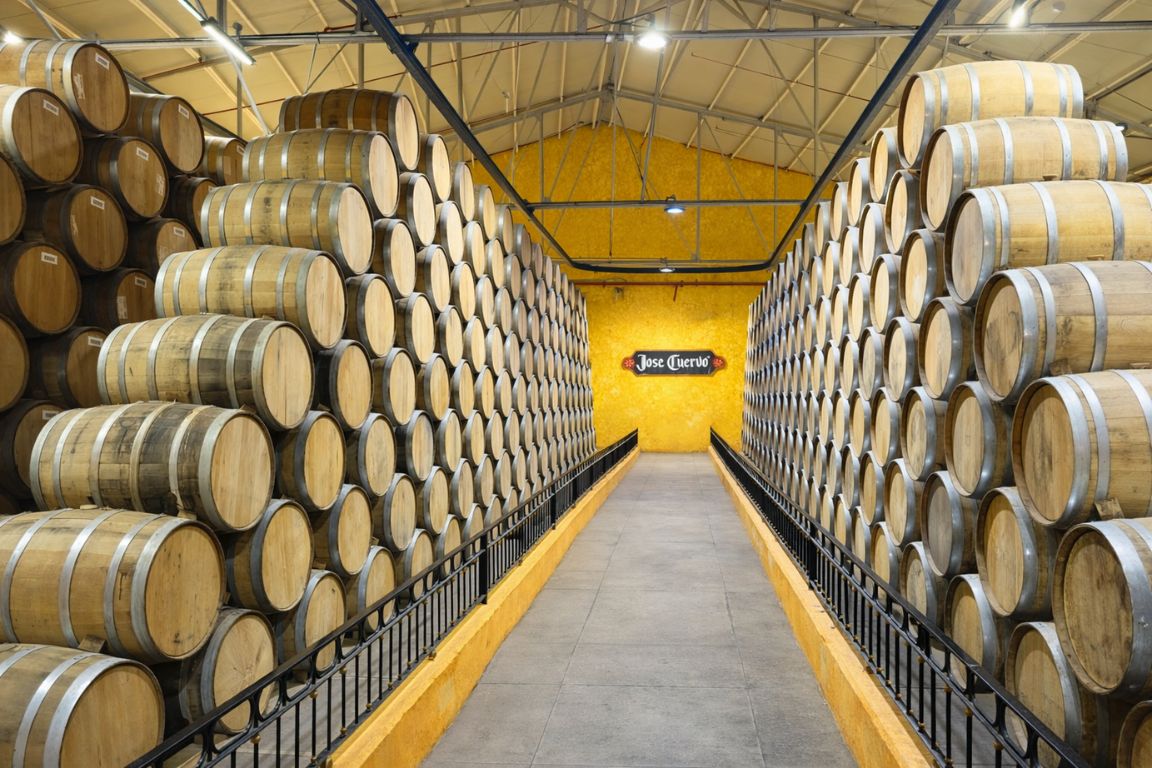
Jose Cuervo, by a wide margin. It is the oldest and largest tequila producer, its La Rojeña distillery in the town of Tequila is the oldest in Latin America, and its bottles are the ones stacked in supermarkets across the country. Best-selling is a fact about distribution, not a verdict on the glass.
That scale is genuinely impressive on its own terms, and touring the Mundo Cuervo operation shows industrial tequila made about as well as industrial tequila gets. It is also the easiest famous distillery to visit, which is why a Jose Cuervo distillery day, around $154 on the live listing, is such a common first tour. For the full range of houses you can actually walk into, our roundup of the distilleries worth touring is the place to start.
What Tequila Do Mexicans Actually Drink?
It splits by occasion. For mixing into palomas, cantaritos and batangas, an affordable blanco or reposado from Cuervo, Sauza, Herradura or a hundred local brands does the job. For sipping, people who care reach for additive-free, 100% agave bottles from smaller producers. Everyday tequila and special-occasion tequila are different purchases.
Nobody mixes their best bottle into a cocktail with soda, and nobody sips a cheap mixto neat by choice. The famous historic houses sit in the middle: Herradura and Sauza carry real heritage and turn up at almost every price point. What tells the two categories apart is not the logo, it is whether the label reads 100% agave, a distinction we break down in what separates a good bottle from a bad one.
What Is The Most Respected Tequila Among Enthusiasts?
The names that come up again and again are the traditionalists. Fortaleza is tahona-crushed and copper-pot distilled on the old Sauza family estate. Cascahuín works out of El Arenal, closer to Guadalajara than Tequila town. El Tequileño is a Jalisco staple whose better bottles rarely leave Mexico. None of them is the biggest seller, and that is part of the point.
What links them is method, not marketing: slow-cooked agave, natural fermentation, and no additives hiding the flavor. You can taste why on the Fortaleza estate itself, and a dedicated Fortaleza distillery tour is the clearest look at the old way of making it. The differences between the styles they pour, the blanco, reposado and añejo, are covered in our guide to the three main tequila categories.
So How Do You Find Your Own Number One?
Taste across categories instead of chasing a ranking. Put a good blanco next to a reposado and an añejo, from two or three different producers, and your own number one sorts itself out fast. A distillery tasting is the cheapest way to compare bottles you cannot buy at home.
This is also where the whole most-sold versus most-respected debate becomes beside the point. The bottle that is number one for you is the one you want to pour again, and that is a matter of your palate, not a sales chart. Agave spirits run wider than tequila too, and if you like the funkier, smokier end, our comparison of where mezcal fits alongside tequila is worth a read before you decide what to bring home.