A One-Day Tequila Itinerary From Guadalajara (2026)
One well-planned day is enough to see the agave fields, tour two distilleries, eat a real lunch and be back in Guadalajara for dinner. The trick is the sequence, not the speed.
Tequila town sits about 60 km northwest of Guadalajara, a 45 to 70 minute drive that turns scenic about twenty minutes out, when the scrubland gives way to blue agave running to the horizon. One well-planned day is genuinely enough to see the fields, tour two distilleries, eat a real lunch and still be back in the city for dinner. The trick is the sequence, not the speed.
Booking choice: Combine agave-field time, craft production, a regional lunch and free time in Tequila with a private guide. Plan Your Private Tequila Day
Below is an hour-by-hour plan for a full day trip, the kind the operators we work with run every morning, plus the two main variants: the Saturday train day and the do-it-yourself bus day. Times are planning allowances grounded in how these tours actually run, not a rigid clock. Build in slack and the day works. Fight the rhythm and you miss the best of it.
How a one-day trip breaks down, hour by hour
Planning allowances grounded in how these tours actually run, not a fixed clock. Build in slack, especially around lunch and free time in town.
How Do You Spend One Perfect Day In Tequila From Guadalajara?
Leave Guadalajara around 8am, drive roughly 70 minutes through the agave landscape, and front-load the outdoor parts: an agave field with a jimador first, then your first distillery. Break for a regional lunch around 1 to 2pm, add a second distillery or the town's plaza and museum in the afternoon, and drive back by early evening. The whole day runs about 8 to 10 hours door to door. The timeline below is the backbone.
| Time | Stop | Rough allowance |
|---|---|---|
| 8:00 | Hotel pickup in Guadalajara | set by your tour |
| 8:00 to 9:10 | Drive to agave country, guide sets the context | about 70 minutes |
| 9:10 to 9:55 | Agave field visit with a working jimador | about 45 minutes |
| 10:00 to 11:30 | First distillery: oven to tasting room | about 90 minutes |
| 11:45 to 13:15 | Free time in Tequila town, plaza and museum | about 90 minutes |
| 13:15 to 14:15 | Regional lunch | about 60 minutes |
| 14:30 to 15:45 | Second distillery or agave-field viewpoint | about 75 minutes |
| 16:00 to 16:30 | Cantarito stop on the way out | about 30 minutes |
| 16:30 to 17:45 | Drive back to Guadalajara | about 70 minutes |
That order is deliberate. The fields come first because morning light is better and the jimadores are actively working before midday, after which they often wrap up. The distillery follows in production order, oven to fermentation to still to tasting, so the story builds. Lunch lands after the first pours, which is exactly when you want food. If you would rather someone else own this schedule, the Tequila tour with tastings and lunch runs close to this shape with a subterranean restaurant built in.
Should You Leave In The Morning Or Later In The Day?
Leave in the morning, around 8 to 9:30am, on almost any day trip. The agave fields at 9am, before the Jalisco sun has full authority, are a different experience from the same fields at 2pm: cooler, emptier, and with jimadores still at work. Craft distilleries are also calmer earlier, before the Saturday train crowds arrive. An afternoon start only makes sense for the evening train. Timing quietly decides half the quality of the day.
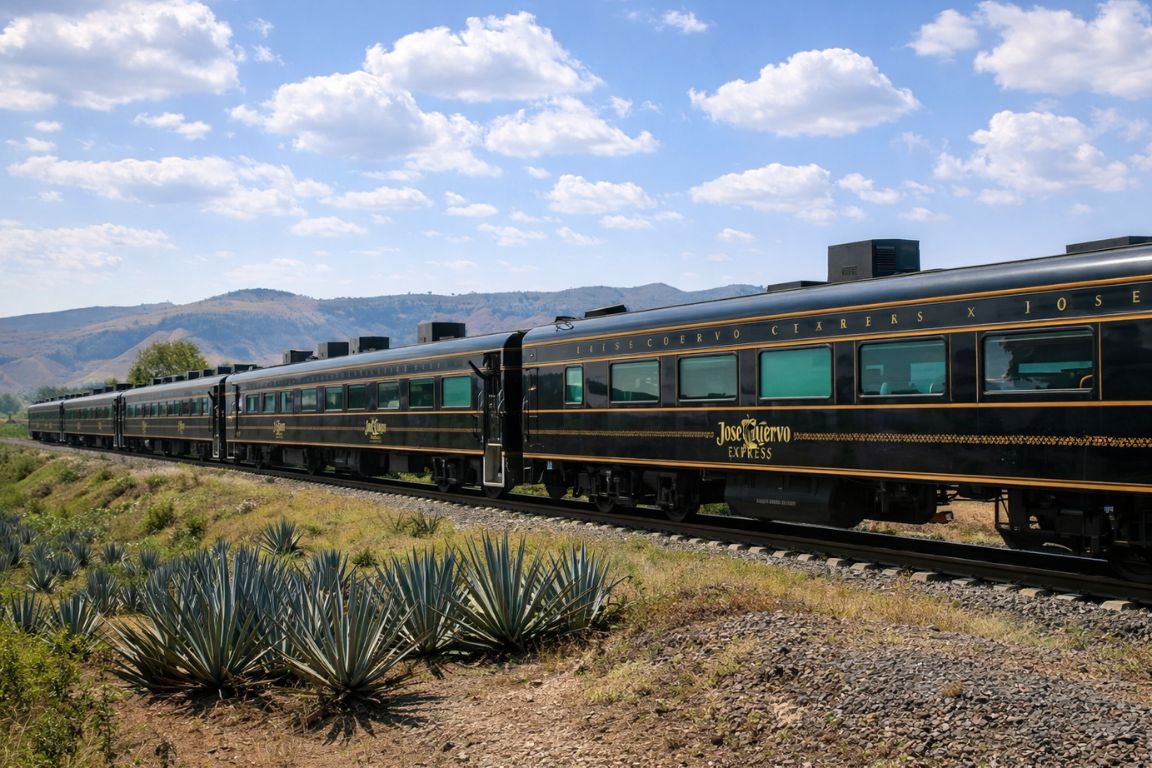
Two forces push everything toward the morning. The first is heat and light: fields, hikes and outdoor tastings are all better before noon, and photographs of the blue rows want that low sun. The second is crowds. On Saturdays the Jose Cuervo Express deposits a couple of hundred people in town by late morning, and small producers do not absorb that well. A Tuesday morning at Fortaleza and a Saturday afternoon at Fortaleza are almost different places.
| Morning start (recommended) | Afternoon start | |
|---|---|---|
| Agave fields | Cool, active jimadores, best light | Hot, often wrapped up for the day |
| Distillery crowds | Quieter, especially craft producers | Busier after the train arrives |
| Free time in town | Mid-afternoon, plaza lively | Compressed, racing daylight |
| Back in Guadalajara | Early evening, dinner in hand | Late, sometimes after dark |
| Only good for | Any day trip | The evening (Atardecer) train |
The one exception is the train's evening itinerary, where drinking on a moving train at sunset is part of the appeal. For everything on wheels, morning wins. The full logistics of getting there, whichever hour you pick, are in how to get to Tequila town.
How Many Distilleries Can You Realistically Fit In One Day?
Two is the comfortable number on a full day, three is possible if you skip the long lunch and keep town time short, and one is plenty if you want to go deep at a craft producer. Each distillery tour runs about 60 to 90 minutes with tasting, and cramming in more turns a good day into a march. Quality falls off fast past two.
The math is simple once you allow real time per stop. A distillery visit is roughly 90 minutes including the tasting. Add the 70-minute drive each way, an agave field stop, lunch and some free time in town, and a nine-hour day comfortably holds two distilleries with room to breathe. A third is doable only by trading away the lunch or the plaza, which most people regret. If your goal is depth rather than breadth, one craft distillery done slowly beats three done at a jog.
| Distilleries | Feels like | What you trade |
|---|---|---|
| One | Deep and unhurried | Breadth, best for a craft producer visit |
| Two | The sweet spot | Nothing much, room for fields, lunch and town |
| Three | Full and fast | The long lunch or free time in town |
| Four or more | A blur | The whole point, not recommended in a day |
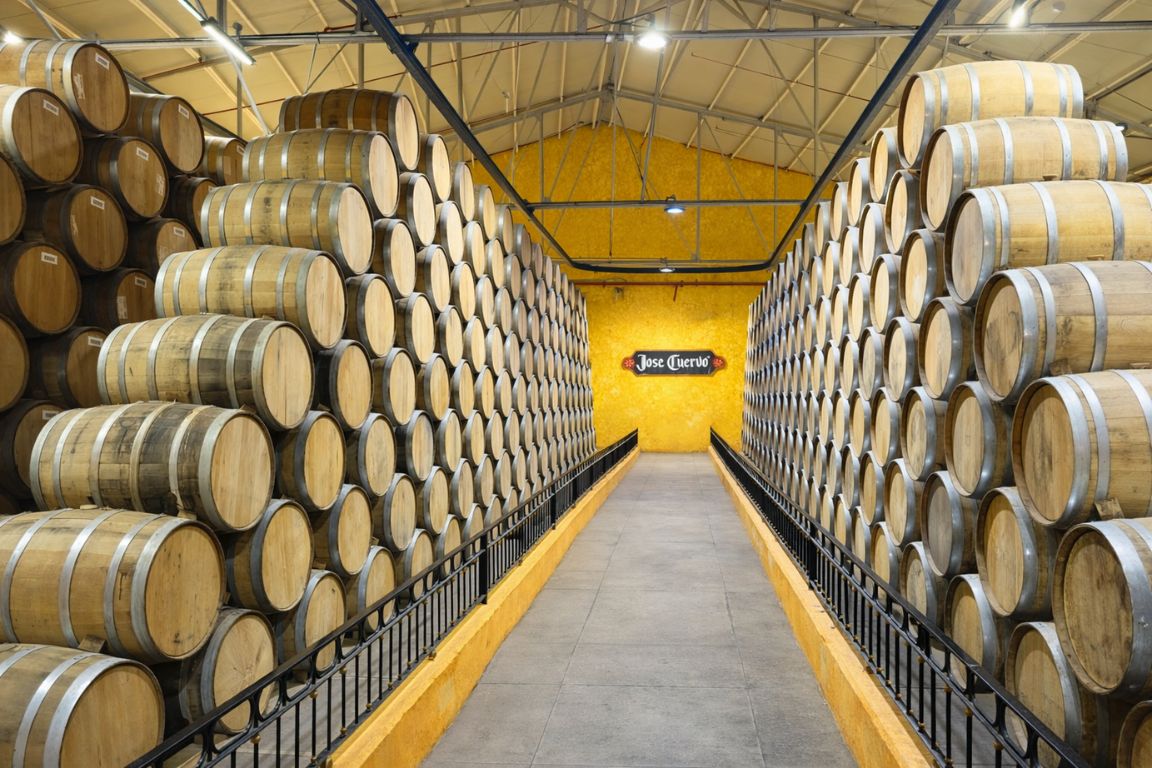
One pairing works better than any other: a big name for scale plus a craft producer for soul. The Jose Cuervo distillery day anchors the scale end, and our roundup of which distilleries to visit helps you choose the craft counterpart.
What Does The Classic Guided Day Look Like, Stop By Stop?
Pickup at your Guadalajara hotel between 8 and 9:30am, a narrated drive through the agave landscape, one or two agave field visits with a jimador, one or two distillery tours from oven to tasting room, free time in Tequila town mid-afternoon, and a cantarito stop on the way home. You are back in the city between 6 and 8:30pm. That rhythm is the same whether the tour is group or private, only the pace changes.
The drive out is not dead time. A good guide spends it on the region's history and how tequila is actually made, so that when you reach the first oven you already understand what you are looking at. The agave field comes before the distillery on purpose: you meet the raw plant and the jimador's coa before you see the piña roasting. Then the distillery tour follows production order, and the tasting at the end lands the whole sequence. The fields you cross are a UNESCO World Heritage landscape, which is worth knowing while you are in the middle of it rather than after.
Free time in town is where the day breathes. Tequila's Plaza Principal, the National Tequila Museum in a 19th-century manor, and a cantarito from a stand that has been making them for twenty years are the real ones, not the tourist bars with neon signs. What the day feels like minute to minute, and what to wear and eat first, is covered in full in our what a tour day looks like guide. The town itself, beyond the distilleries, gets its own full Tequila town guide.
The cantarito stop on the drive out is the unofficial end of the formal day, and it is a good one. A cantarito is the Jalisco classic: tequila, a mix of citrus juices and salt, served in a clay pot you get to keep. Ordered from a stand that has been making them for decades rather than a bar with a neon sign, it is the drink that tastes most like the place. By the time it is in your hand the fields and the distilleries are behind you, the light is going gold over the agave, and the hour back to Guadalajara passes easily.
How Does A Train Day Change The Plan?
The Jose Cuervo Express replaces the flexible road day with a fixed, celebratory one: Saturdays only, about 11 hours, one distillery (La Rojeña), an open bar, mariachi and a folkloric show. You gain the scenic train ride and the party atmosphere, and you give up craft distilleries, the two-producer pairing and any control over the schedule. It is a wonderful day for the right traveler and a frustrating one for a purist.
The train runs two itineraries. Amanecer boards in Guadalajara around 9am, rides through the agave fields with cocktails onboard, reaches Tequila late morning, tours La Rojeña, breaks for lunch and the show, visits the fields in the afternoon, then buses back. Atardecer does the same day in reverse and rides the train home at golden hour, which most experienced travelers prefer because drinking on a moving train feels better at sunset. Either way the structure is fixed and the tequila education is moderate, since it is a single brand.
| Classic road day | Jose Cuervo Express day | |
|---|---|---|
| Days | Any | Saturdays only |
| Distilleries | Two, your choice | One, La Rojeña |
| Schedule | Flexible, especially private | Fixed, roughly 11 hours |
| Extras | Guide, lunch on many tours | Open bar, mariachi, folkloric show |
| Vibe | Education and access | Celebration and spectacle |
If the choice between them is not obvious yet, our Jose Cuervo Express versus a regular tour comparison is the tie-breaker, and the Jose Cuervo Express day trip handles the Saturday seat, which sells out weeks ahead in peak season. Official wagon classes and current pricing sit on the Mundo Cuervo site, worth a look before you pick a tier, since what you get onboard changes a lot between Express and Elite.
Can You Build The Same Day Yourself By Bus?
Yes, on a budget and with more effort. Catch an early Tequila Plus bus from the Central Vieja in downtown Guadalajara, around MX$130 to MX$170 each way, ride 1.5 to 2 hours, then walk to La Rojeña or Casa Sauza, which take walk-ins. The catch is the agave fields and craft producers, which are hard to reach without a car or a reservation. It is a fine day if you have done it before.
A do-it-yourself schedule looks a lot like the guided one with rougher edges. Take the 7am-ish bus, arrive by 9, and almost every distillery worth visiting is within a 15-minute walk of where the bus drops you. Do a walk-in tour at La Rojeña, eat at the municipal market, visit the National Tequila Museum, and catch an afternoon bus back. What you will likely miss is the working agave field and any reservation-only craft distillery, because those need transport and advance booking a walk-in day does not have.
| Step | DIY bus day | Guided day |
|---|---|---|
| Getting there | Tequila Plus bus, 1.5 to 2 hours | Door-to-door van, about 70 minutes |
| Agave field with a jimador | Usually skipped | Included |
| Distilleries | Walk-in brands only | Two, including craft if booked |
| Reservations | Your job, day-of risk | Handled in advance |
| Cost per person | ~$30 to $60 all in | ~$60 to $200 by format |
The full route detail, bus terminals and timing sit in a guided tour versus doing it yourself. For a first visit the guided day is worth the difference; for a repeat trip the bus is a cheap, easy win.
When In The Year Should You Plan A Tequila Day Trip?
November through May, the dry season, is the best window. Roads and field trails are passable, most distilleries are in full production, and the temperatures are comfortable. June through September is the rainy season, when trails turn muddy and production slows, and October is a wildcard worth checking close to your date. Weekdays beat weekends at the craft distilleries. Season shapes the day almost as much as the hour.
The reason the dry months matter is the field visit. An agave field after weeks of rain is muddy and the jimadores may not be cutting, which turns the outdoor centrepiece of the day into a quick look from the roadside. In the dry season the same stop is the highlight it should be. Production is the other factor: some distilleries slow or pause active production in the wettest stretch, so a summer visit can mean touring a quiet plant rather than a working one.
| Months | Conditions | Verdict for a day trip |
|---|---|---|
| November to February | Dry, mild, full production, clear skies | Best overall |
| March to May | Dry, warmer, full production | Excellent, bring sun cover |
| June to September | Rainy, muddy trails, reduced production | Doable, field stops less reliable |
| October | Rains easing, variable week to week | Wildcard, check conditions near your date |
Whatever the month, weekdays are meaningfully better than weekends at the small producers. A Tuesday at a craft distillery is calm; a Saturday afternoon, once the train has deposited a couple of hundred people in town, is not. If your schedule allows a weekday, take it, and keep the plan a little flexible in October so a guide can stay inside the distilleries if the ground is still wet.
What Should You Build Into The Day So Nothing Goes Wrong?
Build in three things: slack in the schedule so one slow stop does not collapse the rest, advance reservations for any craft distillery, and a real breakfast before pickup. Tastings start before lunch, the day runs 8 to 10 hours in the sun, and the craft producers sell out. Handle those three and very little else can derail a Tequila day. The rest is small stuff.
The most common way a self-planned day goes sideways is booking. Fortaleza and the craft producers take reservations days ahead and turn walk-ins away, so a day built around one of them lives or dies on whether the slot was locked in early. The second most common is pace: people try to add a third distillery, run late everywhere, and end up rushing the part they came for. Leave the schedule a little loose and it absorbs the one stop that runs long.
- Eat a proper breakfast before pickup. You will be tasting tequila before lunch, and it makes a difference.
- Wear closed-toe shoes. Distillery floors and field trails are uneven, and craft producers like Fortaleza have rocky, inclined paths.
- Bring sunscreen, a hat and water. The fields and the town are open and bright most of the year.
- Carry some cash. Cantaritos, market lunch, tips and tasting-room bottles are rarely on a card.
- Book craft distilleries days ahead, or take a tour that holds the reservation for you.
- Keep a buffer before your last bus if you go do-it-yourself, so the tasting room, not the timetable, ends your day.
Do those and the day looks after itself. The fuller preparation rundown, including what a tasting actually involves and how to pace your pours, is in our on-the-day preparation guide, which is worth a read the night before.
Is One Day Actually Enough, Or Should You Stay Over?
One day is enough to do Tequila well: two distilleries, the fields, lunch and the town all fit comfortably in 8 to 10 hours. Stay overnight only if you want to hike the Tequila Volcano, visit several craft producers across two days, or enjoy the town after the day-trippers leave. For most travelers, the single day is the right call. More time is a bonus, not a requirement.
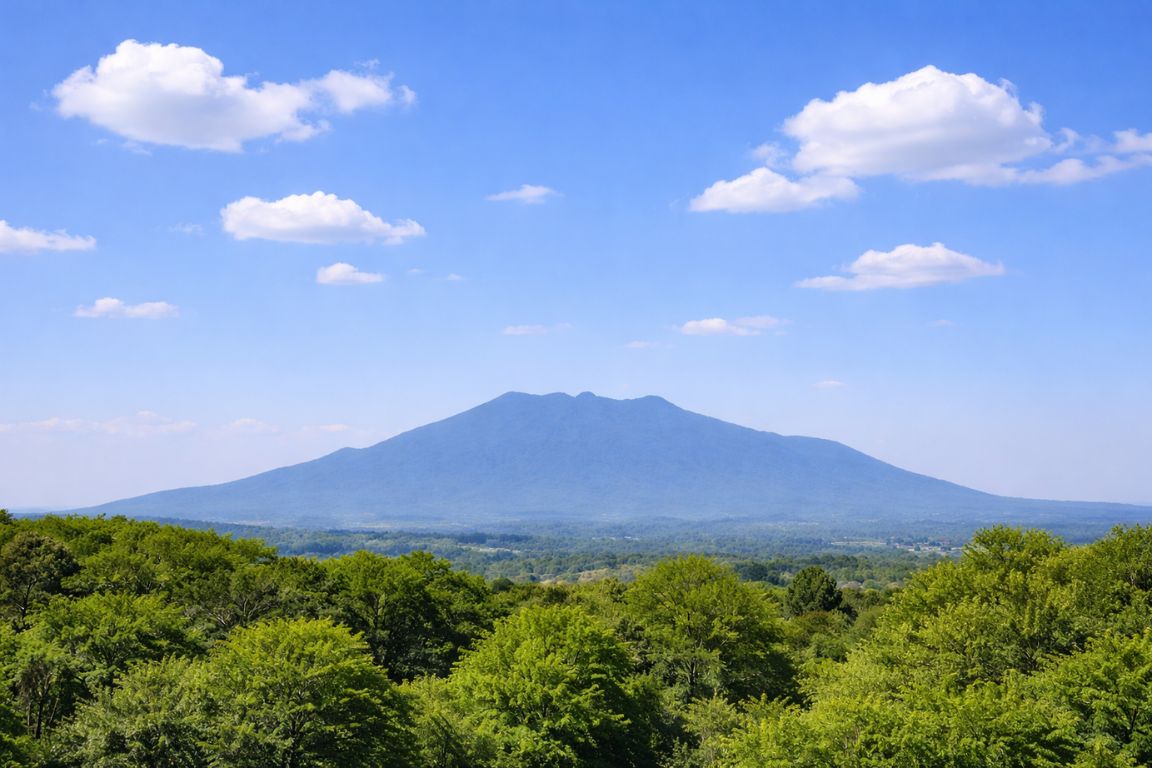
The case for a night is specific rather than general. Tequila after about 5pm, once the train crowd and the vans have gone, is a quieter, more local place, and an evening at a plaza cantina like La Capilla, the town's oldest bar, is a different mood entirely. A second day opens the Tequila Volcano, a half-day hike with sweeping views over the agave, and lets serious enthusiasts string together craft distilleries that will not fit into one afternoon.
| You want to | One day | Overnight |
|---|---|---|
| See the fields and two distilleries | Enough | Not needed |
| Hike the Tequila Volcano | Too tight | Worth it |
| Visit several craft producers | Only one or two | Yes, spread across two days |
| Experience the town after dark | No | Yes, the quieter, local Tequila |
Whichever you choose, book the day itself the same way: with the reservations and the drive handled, so the tasting room, not the last bus, sets your schedule. Every current option, with its price and rating, sits with the tours we run, and the town beyond the distilleries is mapped in our Tequila, Mexico guide.